

Brazil’s top court bars Trump adviser from visiting Bolsonaro in prison
#Brazil #Supreme Court #Trump adviser #Jair Bolsonaro #prison visit #judicial oversight #political conflict
📌 Key Takeaways
- Brazil's Supreme Court denied a request for a Trump adviser to visit Jair Bolsonaro in prison.
- The decision highlights judicial oversight of high-profile political figures in Brazil.
- It underscores ongoing legal and political tensions surrounding Bolsonaro's imprisonment.
- The move may reflect efforts to limit external influence on Bolsonaro's case.
🏷️ Themes
Judicial Decision, Political Tensions
📚 Related People & Topics

Jair Bolsonaro
President of Brazil from 2019 to 2023
Jair Messias Bolsonaro (Brazilian Portuguese: [ʒaˈiʁ meˈsi.ɐz bowsoˈnaɾu] ; born 21 March 1955) is a Brazilian politician and former military officer who served as the 38th president of Brazil from 2019 to 2023. He previously served as a member of the Chamber of Deputies from 1991 to 2019. Born in G...
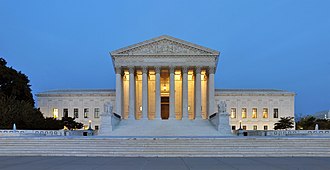
Supreme court
Highest court in a jurisdiction
In most legal jurisdictions, a supreme court, also known as a court of last resort, apex court, high (or final) court of appeal, and court of final appeal, is the highest court within the hierarchy of courts. Broadly speaking, the decisions of a supreme court are binding on all other courts in a nat...

Brazil
Country in South America
Brazil, officially the Federative Republic of Brazil, is the largest country in South America. It is also the world's fifth-largest country by area and the seventh-largest by population, with over 213 million people. The country is a federation composed of 26 states and a Federal District, which hos...
Entity Intersection Graph
Connections for Jair Bolsonaro:
Mentioned Entities
Deep Analysis
Why It Matters
This development matters because it represents a significant escalation in Brazil's judicial system's efforts to isolate former President Jair Bolsonaro from his political allies and international supporters. It affects Bolsonaro's legal defense strategy by limiting his access to key advisors who could influence his case or coordinate political messaging. The decision also impacts U.S.-Brazil relations by involving a former Trump adviser in Brazil's domestic political turmoil, potentially straining diplomatic ties. Furthermore, it signals Brazil's judiciary's determination to prevent external interference in ongoing investigations against the former president.
Context & Background
- Jair Bolsonaro served as Brazil's president from 2019 to 2023 and faces multiple investigations including for allegedly attempting to overturn election results.
- Brazil's Supreme Court has been investigating Bolsonaro and his allies for alleged anti-democratic actions following his election loss to Luiz Inácio Lula da Silva.
- Bolsonaro was barred from running for office until 2030 due to electoral court rulings about his conduct surrounding the 2022 election.
- Steve Bannon, former Trump strategist, has been involved with right-wing movements globally and previously expressed support for Bolsonaro's political agenda.
- Brazil's prison visitation rules for high-profile detainees typically involve judicial approval for non-family visitors to prevent coordination of legal strategies or political messaging.
What Happens Next
Legal teams for both Bolsonaro and the Trump adviser may appeal the decision to Brazil's Supreme Court or seek alternative communication methods. The Brazilian judiciary will likely continue restricting Bolsonaro's external contacts as investigations progress. International observers will monitor whether this case affects diplomatic relations between Brazil and the United States, particularly if similar restrictions are placed on other foreign supporters. Bolsonaro's defense strategy may need adjustment without direct access to certain international political consultants.
Frequently Asked Questions
The adviser likely sought to coordinate political strategy, offer legal advice, or maintain international right-wing alliances. Such visits could help Bolsonaro maintain political relevance and potentially influence his defense approach through external counsel.
Brazil's Supreme Court has broad authority over high-profile political cases and can restrict prison visits to prevent witness tampering, evidence coordination, or interference with investigations. Judges routinely control access to detainees in sensitive cases involving national security or democratic institutions.
This isolation limits Bolsonaro's ability to coordinate with allies and maintain political influence while imprisoned. It strengthens the judiciary's control over his case but may galvanize his supporters who view it as political persecution, potentially affecting his long-term political viability.
While Brazil's judicial decisions are sovereign, international human rights bodies might review visitation restrictions if they're deemed excessively punitive. However, most nations respect other countries' judicial processes regarding prison access for detainees under investigation.
This demonstrates the ongoing tension between Brazil's judiciary and Bolsonaro's political faction. It shows institutions asserting control over former leadership while highlighting deep political divisions that continue to shape Brazil's democracy post-Bolsonaro presidency.