
Canada’s Supreme Court must strike down Quebec’s Bill 21
#Bill 21 #Supreme Court #Quebec #religious symbols #secularism #religious freedom #public servants
📌 Key Takeaways
- Quebec's Bill 21 prohibits public servants from wearing religious symbols at work.
- The law is criticized for violating religious freedom and equality rights.
- The Supreme Court of Canada is being urged to overturn the legislation.
- The case highlights tensions between secularism and religious expression in Canada.
📖 Full Retelling
🏷️ Themes
Religious Freedom, Secularism
📚 Related People & Topics
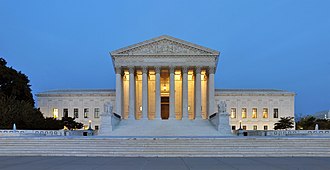
Supreme court
Highest court in a jurisdiction
In most legal jurisdictions, a supreme court, also known as a court of last resort, apex court, high (or final) court of appeal, and court of final appeal, is the highest court within the hierarchy of courts. Broadly speaking, the decisions of a supreme court are binding on all other courts in a nat...

Quebec
Province of Canada
Quebec (French: Québec) is Canada's largest province by area. Located in Central Canada, it is the only Francophone-majority province in the country, being home to Québécois French. It shares borders with the provinces of Ontario to the west, Newfoundland and Labrador to the northeast, New Brunswick...
Entity Intersection Graph
Connections for Supreme court:
Mentioned Entities
Deep Analysis
Why It Matters
This case matters because it addresses fundamental tensions between provincial autonomy and national constitutional rights in Canada. Bill 21 affects public sector workers in Quebec who wear religious symbols like hijabs, turbans, or kippahs, limiting their employment opportunities. The outcome will determine whether provinces can override certain Charter rights using the notwithstanding clause, setting a precedent for religious freedom across Canada. This decision impacts religious minorities directly while testing the balance between secularism and multiculturalism in Canadian society.
Context & Background
- Bill 21 is Quebec's secularism law passed in 2019 that prohibits public sector workers in positions of authority from wearing religious symbols while on duty
- Quebec invoked Section 33 of the Charter (the notwithstanding clause) to shield the law from challenges based on freedom of religion
- Similar debates about religious symbols in public service have occurred in France and other jurisdictions with strong secular traditions
- Previous Quebec legislation like Bill 101 (French language charter) established precedents for provincial cultural protection measures
- The Supreme Court previously ruled on religious accommodation cases including Multani v. Commission scolaire Marguerite-Bourgeoys (2006) about Sikh kirpans
What Happens Next
The Supreme Court will hear arguments and deliberate, with a decision expected within 6-12 months. If struck down, Quebec could attempt to revise the legislation or invoke the notwithstanding clause again. Either outcome will likely spark political debates in Quebec's National Assembly and possibly federal-provincial discussions about constitutional limits. The decision may influence similar legislation in other provinces considering secularism measures.
Frequently Asked Questions
Bill 21 bans public sector workers in positions of authority—including teachers, police officers, and judges—from wearing visible religious symbols like hijabs, turbans, kippahs, or crosses while performing their duties. The law applies specifically to new hires in these positions.
Section 33 of the Canadian Charter allows provinces to temporarily override certain Charter rights for five-year renewable periods. Quebec invoked this clause specifically to preempt challenges based on freedom of religion guarantees, though other Charter challenges remain possible.
Bill 21 contains a grandfather clause allowing current employees to continue wearing religious symbols, but it applies fully to new hires. This creates a two-tier system where long-serving employees have rights that new recruits are denied.
Opponents argue it violates constitutional guarantees of religious freedom and equality, disproportionately affects religious minorities and women, and creates employment discrimination. Some also question whether the notwithstanding clause can shield legislation that violates the Constitution's basic structure.
Polls show majority support in Quebec, particularly among French-speaking residents who see it as protecting secularism (laïcité). However, religious minorities and many outside Quebec view it as discriminatory, creating a significant divide between Quebec and other provinces.