
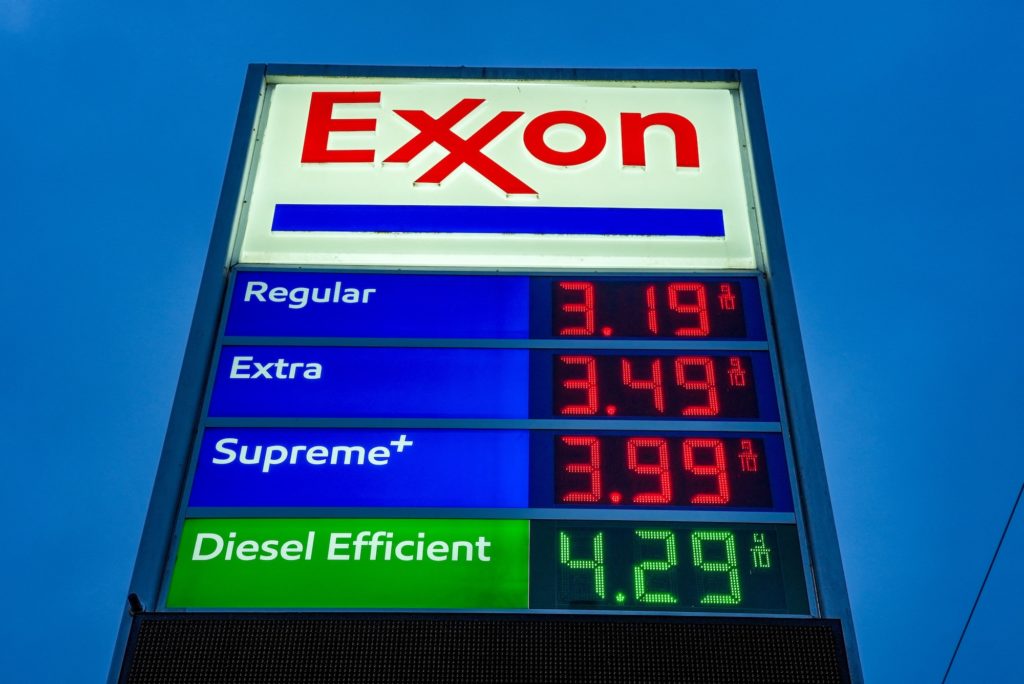
Chicago Fed president breaks down economic risks of Iran war
#Chicago Fed #Iran conflict #economic risks #oil supply #market volatility #inflation #monetary policy
📌 Key Takeaways
- Chicago Fed president warns of potential economic risks from escalating Iran conflict
- Conflict could disrupt global oil supply and increase energy prices
- Geopolitical tensions may lead to market volatility and inflation pressures
- Central banks must monitor situation for impacts on monetary policy decisions
📖 Full Retelling
🏷️ Themes
Geopolitical Risk, Economic Impact
📚 Related People & Topics

Federal Reserve Bank of Chicago
Member Bank of Federal Reserve
The Federal Reserve Bank of Chicago (informally the Chicago Fed) is one of twelve Federal Reserve Banks that, along with the Federal Reserve Board of Governors, make up the Federal Reserve System, the United States' central bank. The Chicago Fed serves the Seventh District, which encompasses the nor...
Entity Intersection Graph
Connections for Federal Reserve Bank of Chicago:
Mentioned Entities
Deep Analysis
Why It Matters
This analysis matters because it provides insight into how geopolitical conflicts can directly impact the U.S. economy through multiple channels. Federal Reserve officials' assessments of war risks influence monetary policy decisions that affect interest rates, inflation, and employment nationwide. The analysis affects consumers through potential energy price spikes, investors through market volatility, and policymakers who must balance economic stability with national security concerns.
Context & Background
- The Federal Reserve System includes 12 regional banks whose presidents participate in monetary policy decisions through the FOMC
- Iran controls approximately 4% of global oil production and sits along critical shipping routes including the Strait of Hormuz
- Previous Middle East conflicts have triggered oil price shocks, including the 1973 Arab oil embargo and 1990 Gulf War price spikes
- The Federal Reserve has dual mandate of maximum employment and price stability, requiring assessment of external economic risks
- U.S. economic sanctions on Iran have been in place since 1979, with varying intensity across administrations
What Happens Next
Markets will watch for any escalation in Middle East tensions that could trigger the economic risks outlined. The Federal Reserve may adjust its economic projections in upcoming FOMC meetings if geopolitical risks materialize. Energy markets will remain sensitive to developments in the region, potentially affecting gasoline prices and inflation metrics in the coming months.
Frequently Asked Questions
Federal Reserve officials analyze all factors that could impact the U.S. economy, including geopolitical risks. As monetary policymakers, they must consider how events like potential conflicts might affect inflation, growth, and financial stability through channels like energy prices and market confidence.
Americans could experience higher gasoline and energy prices, increased inflation reducing purchasing power, potential stock market declines affecting retirement accounts, and possible economic slowdown impacting job security. These effects would vary by region and socioeconomic status.
The Fed could adjust interest rates to stimulate or cool the economy, use forward guidance to manage market expectations, and employ emergency lending facilities if financial markets experience stress. Their response would depend on whether the shock primarily affects inflation or economic growth.
Such predictions have significant uncertainty as they depend on conflict scale, duration, and international responses. While historical patterns provide guidance (like oil price impacts), each conflict has unique economic transmission mechanisms that are difficult to forecast precisely.
Not necessarily - Fed officials regularly assess various risks without immediately changing policy. This analysis represents contingency planning rather than an imminent policy shift, though persistent geopolitical risks could eventually influence the timing or pace of monetary policy adjustments.