
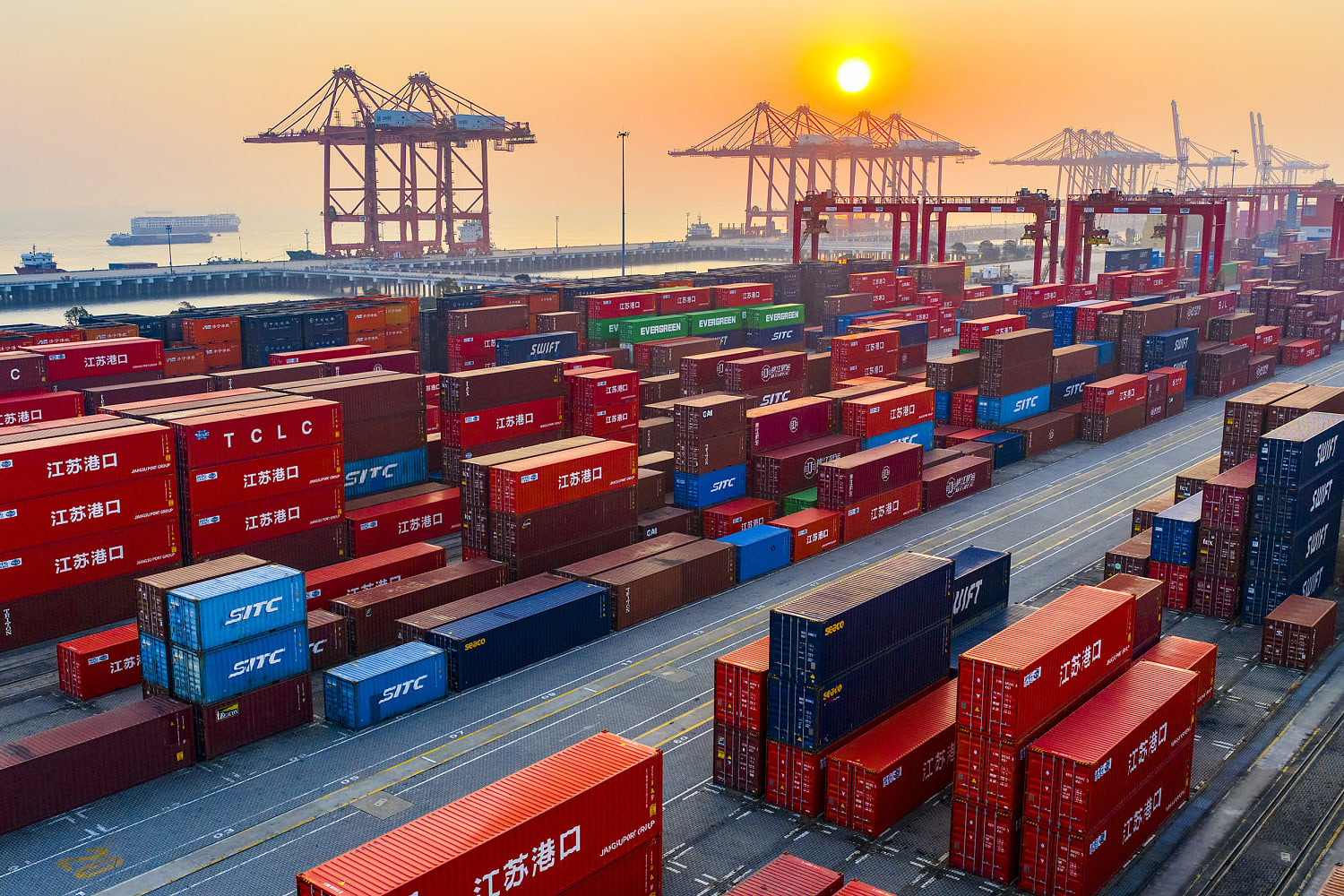
China emerges as big winner from Supreme Court's tariff ruling
#Supreme Court ruling #Trump tariffs #China trade #Reciprocal tariffs #Section 301 #Trade uncertainty #Global trade #Tariff system
📌 Key Takeaways
- Supreme Court struck down Trump's 'reciprocal' tariff system
- New 10% flat global tariff replaced Trump's proposed 15%
- China emerges as the 'biggest winner' from the ruling
- Key US allies face uncertainty as their trade deals are upended
- Trump plans to use Section 301 investigations as alternative tariff tool
📖 Full Retelling
The US Supreme Court struck down President Donald Trump's 'reciprocal' tariff system on March 1, 2026, replacing it with a new 10% flat global tariff that has created significant uncertainty in international trade relations and positioned China as the primary beneficiary of the ruling. The new tariff, implemented under Section 122 of the Trade Act of 1974, remains in effect for 150 days without requiring congressional approval and represents a dramatic shift from Trump's previously announced 15% tariff rate that would have targeted countries with trade advantages over the United States. China has emerged as the 'biggest winner' from this judicial decision, with Alicia García-Herrero, chief economist for Asia-Pacific at French investment bank Natixis, noting that the effective US tariff rate is now much closer to that of other countries, reducing incentives for companies to shift production away from China at least temporarily. The ruling has created substantial confusion among US trading partners, many of whom had already negotiated or were finalizing trade agreements with the United States under the assumption that Trump's tariff framework would remain in place, with countries like Indonesia agreeing to a 19% tariff rate just one day before the court decision.
🏷️ Themes
Trade Policy, International Relations, Economic Impact, Legal Challenges
📚 Related People & Topics

Reciprocity (international relations)
Principle in international relations and treaties
In international relations and treaties, the principle of reciprocity states that favors, benefits, or penalties that are granted by one state to the citizens or legal entities of another, should be returned in kind. For example, reciprocity has been used in the reduction of tariffs, the grant of co...
Tariffs in the Trump administration
Topics referred to by the same term
Tariffs in the Trump administration could refer to:
Entity Intersection Graph
Connections for Reciprocity (international relations):
View full profileMentioned Entities
Original Source
China emerges as big winner from Supreme Court's tariff ruling The court ruled just weeks before Trump’s coming trip to China, where he hopes to maintain a delicate trade truce with the world’s second-biggest economy. Containers in Suzhou Port in Jiangsu province, China, on Feb. 18. Costfoto / NurPhoto via Getty Images Share Add NBC News to Google March 1, 2026, 6:00 AM EST By Jennifer Jett Listen to this article with a free account 00:00 00:00 HONG KONG — Global trade has been upended again after the Supreme Court struck down President Donald Trump ’s “reciprocal” tariffs, with U.S. trading partners and businesses around the world grasping to understand the system that replaces them. A new flat global tariff of 10% paid by U.S. importers took effect Tuesday, lower than the 15% that Trump said he would implement days before. Under Section 122 of the Trade Act of 1974, the 10% tariff can remain in place for 150 days without congressional approval. China is the “biggest winner” from the Supreme Court ruling, with an effective U.S. tariff rate now much closer to that of other countries, said Alicia García-Herrero, chief economist for Asia-Pacific at French investment bank Natixis. Among other benefits, China’s lower tariff rate reduces the incentive for companies to shift production to other countries in Asia, at least temporarily. But the whiplash has created overwhelming uncertainty for key U.S. allies and some of Washington’s biggest trading partners, many of whom had already announced or were nearing trade deals with the U.S., some having offered major concessions with the aim of securing favorable rates under Trump’s now-defunct tariff regime. In Asia, Trump administration officials had rushed to conclude deals in the weeks before the court ruling, with Indonesia agreeing to a 19% tariff rate only a day earlier. The tariff ruling also comes just weeks before Trump’s upcoming trip to China , where he hopes to maintain a delicate trade truce with the world’s second-...
Read full article at source