

Clinton recalls his friendship with Rev. Jesse Jackson
#Bill Clinton #Jesse Jackson #friendship #civil rights #political activism #history #alliance
📌 Key Takeaways
- Bill Clinton reminisces about his personal friendship with Reverend Jesse Jackson.
- The article highlights their shared history and mutual respect.
- Clinton emphasizes Jackson's impact on civil rights and political activism.
- The reflection underscores the importance of their alliance in American politics.
🏷️ Themes
Political Friendship, Civil Rights
📚 Related People & Topics
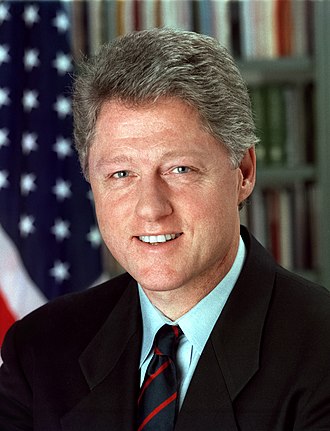
Bill Clinton
President of the United States from 1993 to 2001
William Jefferson Clinton (né Blythe III; born August 19, 1946) is an American politician and lawyer who served as the 42nd president of the United States from 1993 to 2001. A member of the Democratic Party, he previously served as the attorney general of Arkansas from 1977 to 1979 and as the gove...

Jesse Jackson
American activist and politician (1941–2026)
Jesse Louis Jackson (né Burns; October 8, 1941 – February 17, 2026) was an American civil rights activist, politician, and ordained Baptist minister. Beginning as a young protégé of Martin Luther King Jr. during the civil rights movement, Jackson has maintained his status as a prominent civil rights...
Entity Intersection Graph
Connections for Bill Clinton:
Mentioned Entities
Deep Analysis
Why It Matters
This news matters because it highlights the enduring political and personal relationships that shape American civil rights and Democratic Party politics. It affects civil rights activists, Democratic Party members, and historians interested in the intersection of race, religion, and politics. The recollection serves as a reminder of how personal alliances influence policy decisions and social movements, particularly regarding racial justice and economic equality.
Context & Background
- Bill Clinton served as the 42nd President of the United States from 1993 to 2001, known for his centrist 'Third Way' politics.
- Rev. Jesse Jackson is a prominent civil rights activist, Baptist minister, and two-time Democratic presidential candidate in 1984 and 1988.
- Jackson founded the Rainbow/PUSH Coalition in 1996, merging his earlier organizations to advocate for social justice, civil rights, and political empowerment.
- During Clinton's presidency, Jackson was both a supporter and occasional critic, particularly on issues like welfare reform and foreign policy.
- Their relationship dates back to the 1980s when Clinton was Governor of Arkansas and Jackson was rising as a national political figure.
What Happens Next
Clinton's recollections may lead to renewed public discussions about the legacy of civil rights movements and their influence on contemporary politics. Jackson or his organization might issue a response or share their own memories. Historians and political analysts could use this as a catalyst for deeper examinations of Clinton-era racial policies and Jackson's role in shaping them.
Frequently Asked Questions
The timing could relate to a specific event, interview, or anniversary prompting reflection on their shared history. It may also be part of broader efforts to highlight bipartisan or cross-racial political alliances during polarized times.
Their relationship was complex, blending collaboration on civil rights with disagreements on policies like welfare reform. Jackson supported Clinton's campaigns but sometimes publicly challenged his administration's approaches to racial and economic issues.
Jackson influenced Clinton by advocating for civil rights, economic justice, and diversity in appointments. His activism helped keep issues like racial equality and poverty on the national agenda, though Clinton did not always adopt Jackson's preferred policies.
Clinton embraced centrist, neoliberal policies, while Jackson advocated for progressive, grassroots-driven social justice. Jackson focused more on structural racial and economic reforms, whereas Clinton prioritized pragmatic, bipartisan solutions.
Based on the article provided, no direct comment from Jackson is mentioned. However, in such cases, Jackson or his representatives might respond later to confirm, elaborate, or offer their perspective on the friendship.
Their relationship symbolized efforts to bridge moderate and progressive wings of the Democratic Party. It highlighted tensions and collaborations between establishment politics and civil rights activism, influencing party platforms on race and equality.