
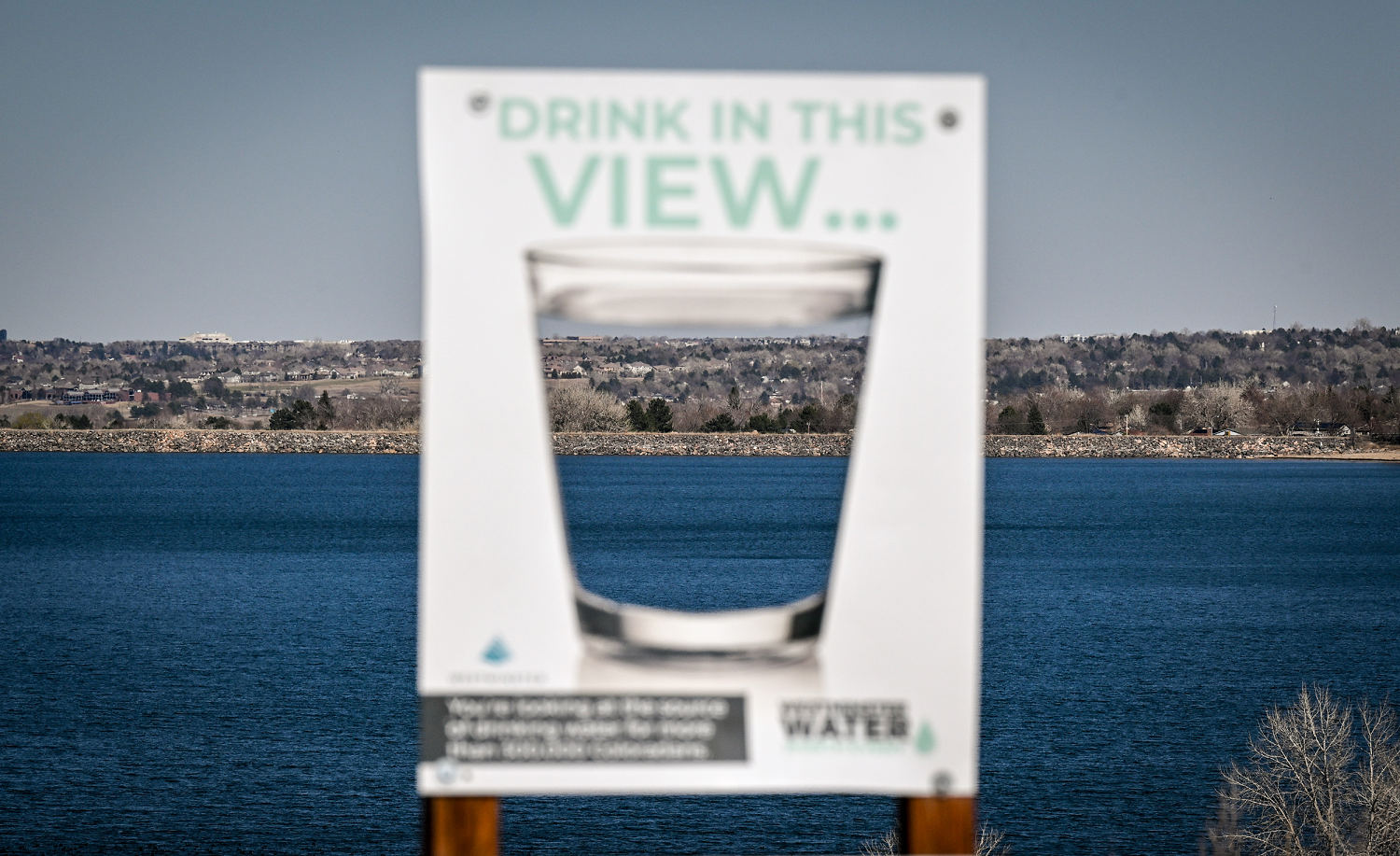
Colorado residents face earliest water restrictions ever — a harbinger of worse to come
📖 Full Retelling
📚 Related People & Topics

Colorado
U.S. state
Colorado is a landlocked state in the Western United States. It is one of the Mountain states, and part of the Southwestern United States, sharing the Four Corners region with Arizona, New Mexico, and Utah. It is also bordered by Wyoming to the north, Nebraska to the northeast, Kansas to the east, a...
Entity Intersection Graph
Connections for Colorado:
View full profileMentioned Entities
Deep Analysis
Why It Matters
This news is important because it signals a critical water crisis in Colorado, affecting residents, agriculture, and local ecosystems. Early water restrictions impact daily life, increase costs for households and farmers, and threaten long-term water security. It serves as a warning for other regions facing similar climate challenges, highlighting the urgent need for sustainable water management policies.
Context & Background
- Colorado relies heavily on snowpack from the Rocky Mountains for its water supply, which has been declining due to climate change.
- The state has experienced prolonged drought conditions over the past two decades, exacerbating water scarcity issues.
- Water rights in Colorado are governed by a complex prior appropriation system, often leading to conflicts between urban, agricultural, and environmental uses.
- Previous water restrictions have typically been implemented later in the year, making this early timing unprecedented.
- Population growth in Colorado has increased water demand, putting additional strain on limited resources.
What Happens Next
Residents can expect stricter water usage limits, potential fines for violations, and increased public awareness campaigns. In the coming months, authorities may implement tiered pricing, promote water-saving technologies, and assess drought conditions for further actions. Long-term, this could lead to policy reforms, infrastructure investments, and regional water-sharing agreements to address future shortages.
Frequently Asked Questions
Restrictions are earlier due to unusually low snowpack and precipitation this winter, combined with ongoing drought conditions. This has reduced water reserves, forcing authorities to act sooner to conserve supplies for essential needs.
Residents may face limits on outdoor watering, car washing, and other non-essential uses, potentially leading to higher water bills or penalties. Indoor usage might also be encouraged to reduce, impacting habits like showering and laundry.
Individuals can reduce outdoor irrigation, fix leaks promptly, install water-efficient fixtures, and adopt practices like shorter showers. Community efforts and adherence to local guidelines are crucial to mitigating the crisis.
While Colorado is heavily impacted, similar water scarcity issues are emerging across the western U.S. and globally due to climate change, making this a regional and worldwide concern.
Long-term solutions include investing in water recycling, desalination, improved storage infrastructure, and policy reforms. Emphasis is also on sustainable agriculture and urban planning to reduce overall demand.