

Confidence in Supreme Court hits record low: Survey
#Supreme Court #confidence #survey #record low #public trust #politicization #legitimacy
📌 Key Takeaways
- Public confidence in the U.S. Supreme Court has reached a historic low according to a recent survey.
- The decline reflects growing public dissatisfaction with the Court's decisions and perceived politicization.
- The survey results highlight a significant erosion of trust in one of the nation's key institutions.
- This trend may have implications for the Court's legitimacy and public perception of its rulings.
📖 Full Retelling
🏷️ Themes
Judicial Trust, Public Opinion
📚 Related People & Topics
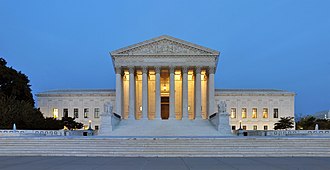
Supreme court
Highest court in a jurisdiction
In most legal jurisdictions, a supreme court, also known as a court of last resort, apex court, high (or final) court of appeal, and court of final appeal, is the highest court within the hierarchy of courts. Broadly speaking, the decisions of a supreme court are binding on all other courts in a nat...
Entity Intersection Graph
Connections for Supreme court:
Mentioned Entities
Deep Analysis
Why It Matters
This news matters because public confidence in the Supreme Court is fundamental to the legitimacy of the U.S. judicial system and the rule of law. When trust in the nation's highest court erodes, it can undermine the authority of its rulings and fuel political polarization. This affects all citizens who rely on the Court to interpret laws and the Constitution impartially, as well as policymakers and lower courts that follow its precedents. A sustained lack of confidence could lead to calls for reforms, such as term limits or ethics rules, impacting the Court's structure and operations.
Context & Background
- Public trust in the Supreme Court has fluctuated historically, often influenced by major decisions (e.g., Bush v. Gore in 2000, Dobbs v. Jackson in 2022) and perceptions of politicization.
- The Court's approval ratings have generally trended downward over recent decades, with Gallup and other polls showing declines since the early 2000s amid increasing partisan divides.
- Recent controversies, such as ethics concerns over justices' financial disclosures and perceived ideological shifts, have contributed to scrutiny and declining confidence in 2023-2024.
What Happens Next
In the near term, the Court may face increased pressure to adopt ethics reforms or transparency measures, with congressional hearings or legislation possible. Public attention will likely focus on upcoming rulings in high-profile cases, which could further influence confidence. Long-term, if low confidence persists, it may spur debates over structural changes like term limits or court expansion, though such reforms face significant political hurdles.
Frequently Asked Questions
It indicates that survey data shows the lowest level of public trust in the Supreme Court since polling began, suggesting a significant erosion of its perceived legitimacy. This can weaken compliance with rulings and fuel political challenges to its authority. However, the Court's legal power remains intact unless structural changes occur.
It may reduce faith in the judicial system's fairness, potentially discouraging engagement with legal processes or acceptance of Court decisions. Over time, it could influence voting behavior on judicial issues or support for reforms. For individuals, it might heighten perceptions that the Court is driven by politics rather than law.
Key factors include controversial rulings on issues like abortion and gun rights, ethics scandals involving justices, and heightened political polarization around the Court's role. Media coverage and partisan rhetoric have also amplified criticisms, shaping public perception. The appointment process has become more contentious, further politicizing the institution.
Yes, through consistent, transparent rulings perceived as impartial, along with potential ethics reforms. Historically, the Court's approval has recovered after periods of controversy, though it may take time. Public trust could also improve if the Court avoids highly divisive decisions or demonstrates judicial restraint.
The Supreme Court's confidence levels have often been higher than Congress or the presidency, but recent declines mirror broader distrust in government institutions. Compared to international courts, the U.S. Court's polarization is notable, reflecting domestic political divides. Surveys show similar trends for other branches, indicating a systemic crisis of trust.