
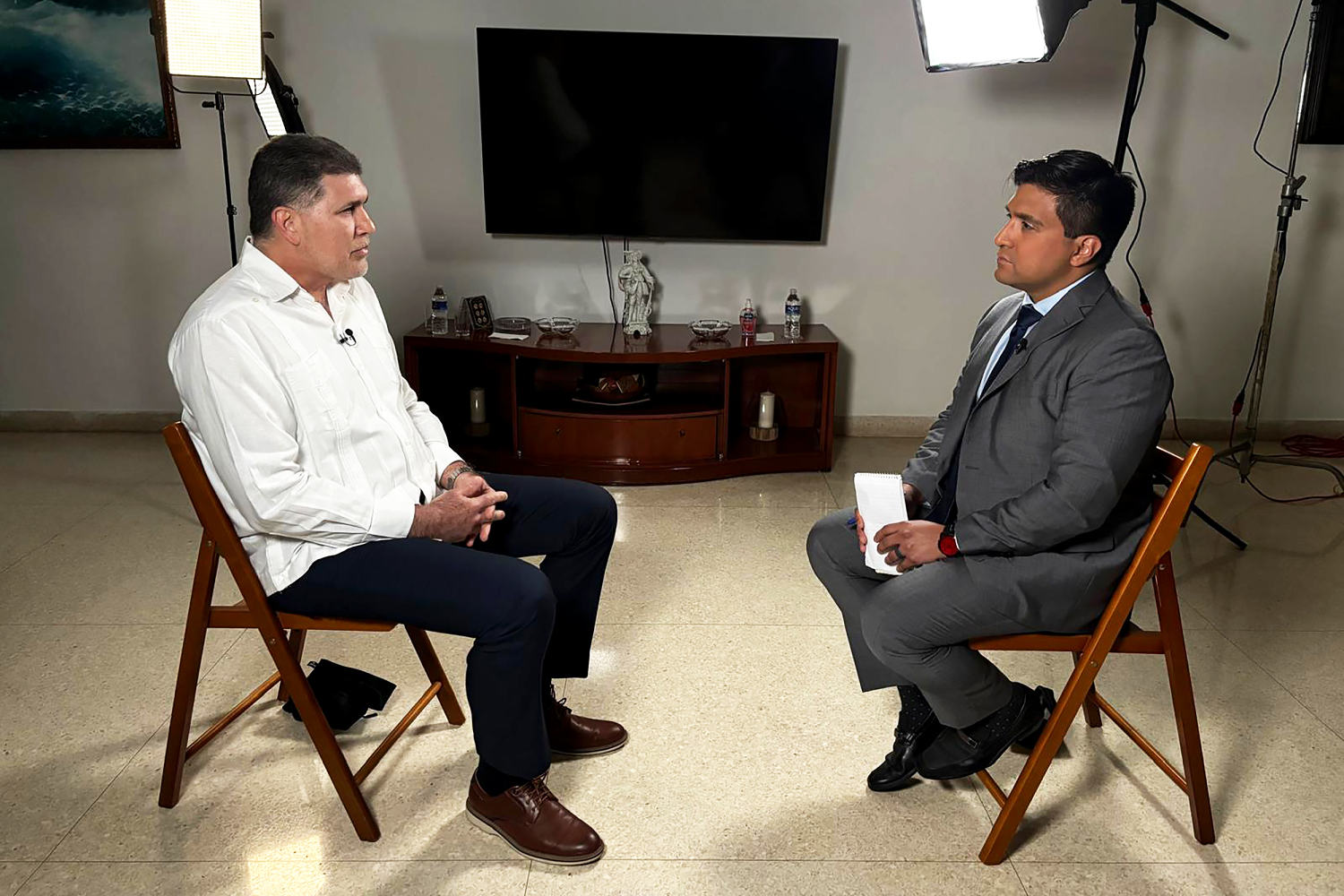
Cuba will allow nationals abroad to invest in and own businesses on the island, economic czar says
#Cuba #investment #business ownership #diaspora #economic policy #private enterprise #foreign capital
📌 Key Takeaways
- Cuba will permit nationals living abroad to invest in and own businesses on the island.
- The announcement was made by the country's economic czar.
- This policy change aims to attract foreign capital from the Cuban diaspora.
- It represents a shift in Cuba's economic strategy to boost private enterprise.
📖 Full Retelling
🏷️ Themes
Economic Reform, Foreign Investment
📚 Related People & Topics

Cuba
Country in the Caribbean
Cuba, officially the Republic of Cuba, is an island country in the Caribbean. It comprises the eponymous main island as well as 4,195 islands, islets, and cays. Situated at the convergence of the Caribbean Sea, Gulf of Mexico, and Atlantic Ocean, Cuba is located east of the Yucatán Peninsula, south ...
Entity Intersection Graph
Connections for Cuba:
Mentioned Entities
Deep Analysis
Why It Matters
This news is important because it marks a significant shift in Cuba's economic policy, potentially unlocking new capital and expertise from its diaspora to stimulate growth and address chronic shortages. It affects Cuban nationals abroad who can now invest in and own businesses, as well as the Cuban population by potentially creating jobs, increasing goods and services, and modernizing the economy. The move could also influence international relations, especially with the U.S., by encouraging remittances and investment despite ongoing sanctions.
Context & Background
- Cuba has maintained a state-controlled socialist economy since the 1959 revolution, with limited private enterprise and foreign investment until recent decades.
- The U.S. embargo, imposed in the 1960s, has restricted economic ties, though remittances from Cubans abroad have been a key source of income for families on the island.
- In 2021, Cuba allowed small and medium-sized private businesses (SMEs) to operate, signaling gradual economic liberalization amid crises like inflation and shortages.
- Cuba's diaspora, estimated at over 2 million people, has historically been excluded from direct business ownership, with investments often channeled through family remittances.
What Happens Next
In the coming months, Cuba is likely to release specific regulations detailing investment terms, sectors open to diaspora ownership, and safeguards against foreign control. By late 2024 or early 2025, initial investments may flow into tourism, agriculture, or tech startups, with potential pilot projects. Long-term, this could lead to increased economic diversification, but challenges like bureaucratic hurdles, U.S. sanctions, and domestic political resistance may slow implementation.
Frequently Asked Questions
This likely refers to Cuban citizens or descendants living outside Cuba, with specifics to be defined in upcoming regulations, potentially including those who emigrated or hold dual citizenship. Eligibility may depend on proof of Cuban heritage or previous residency, aiming to engage the diaspora while maintaining state oversight.
While details are pending, investments may focus on sectors like tourism, agriculture, renewable energy, or technology, aligning with Cuba's economic priorities. Ownership might be limited to small and medium enterprises, excluding strategic industries like healthcare or education to preserve state control.
This move represents a pragmatic adjustment to attract capital without abandoning socialist principles, as the state may retain regulatory power and limit foreign dominance. It could test Cuba's balance between economic openness and political ideology, potentially leading to more hybrid models in the future.
Yes, U.S. sanctions restrict most financial transactions with Cuba, so diaspora investors in the U.S. may face legal hurdles unless exemptions are granted. Cuba might encourage investments from other countries or use alternative payment systems to mitigate these challenges.