
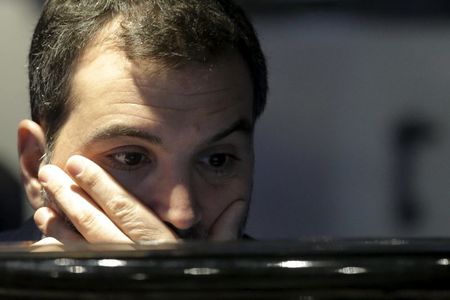
Cuban doctors endure burnout, blackouts as once-vaunted healthcare declines
📚 Related People & Topics

Cuba
Country in the Caribbean
Cuba, officially the Republic of Cuba, is an island country in the Caribbean. It comprises the eponymous main island as well as 4,195 islands, islets, and cays. Situated at the convergence of the Caribbean Sea, Gulf of Mexico, and Atlantic Ocean, Cuba is located east of the Yucatán Peninsula, south ...
Entity Intersection Graph
Connections for Cuba:
Mentioned Entities
Deep Analysis
Why It Matters
This news matters because it highlights the deterioration of Cuba's healthcare system, which was once considered a model for developing nations and a source of national pride. It affects Cuban citizens who face declining medical services, healthcare workers experiencing burnout and difficult working conditions, and the government's international reputation built on medical diplomacy. The situation also impacts countries that have relied on Cuban medical missions and reveals broader economic struggles affecting essential services.
Context & Background
- Cuba's healthcare system was historically praised for achieving health indicators comparable to developed nations despite limited resources and the U.S. embargo
- The system was built on principles of universal access and preventive care, with Cuba having one of the highest doctor-to-patient ratios in the world
- Cuba has exported medical professionals internationally for decades as both humanitarian aid and a source of foreign currency through medical diplomacy programs
- The country has faced prolonged economic challenges including the U.S. embargo, loss of Soviet support in the 1990s, and recent pandemic impacts on tourism
What Happens Next
Expect continued strain on healthcare services with potential for further medical professional emigration, increased pressure on the Cuban government to address systemic issues, possible international aid discussions, and potential reforms to medical training and retention programs. The situation may lead to more public dissatisfaction and could affect Cuba's ability to maintain its international medical missions.
Frequently Asked Questions
Multiple factors including economic crises, U.S. sanctions limiting medical supplies, chronic power shortages affecting hospital operations, and the emigration of medical professionals seeking better opportunities abroad have collectively strained the system.
Cubans face longer wait times, medication shortages, deteriorating hospital conditions, and reduced access to specialized care, reversing decades of healthcare achievements and increasing health risks for vulnerable populations.
Cuban doctors experience exhaustion from overwhelming workloads, inadequate resources, frequent power outages during procedures, and emotional strain from being unable to provide proper care despite their training.
Yes, domestic healthcare needs may force Cuba to reduce medical brigades sent abroad, affecting both humanitarian programs and an important source of foreign currency for the Cuban government.
Healthcare deterioration reflects broader economic challenges including energy crises, inflation, and trade restrictions that prevent adequate medical supply imports, showing how economic problems directly impact social services.