
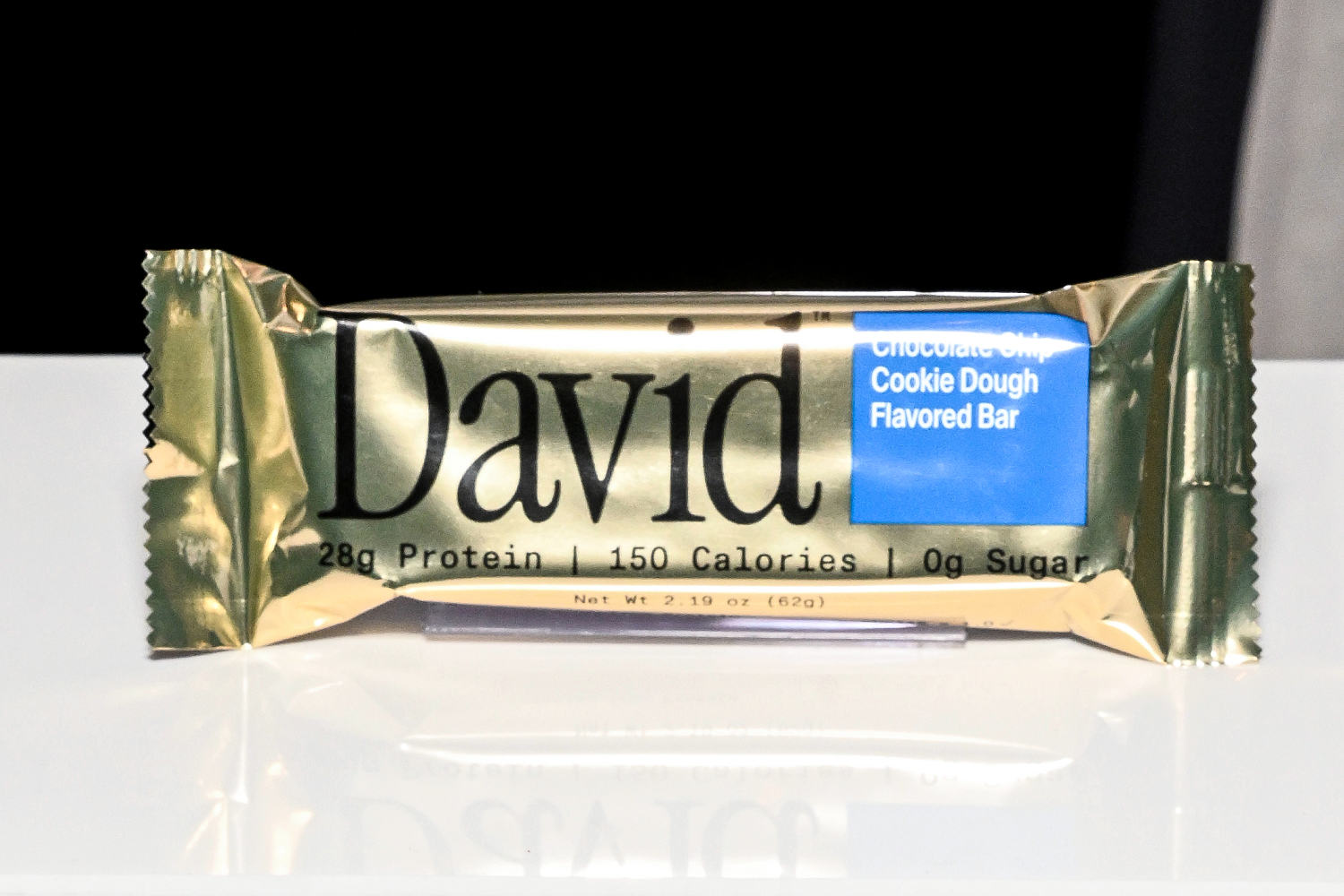
David protein bar founder pushes back after lawsuit alleges company undercounted calories
#David protein bar #calorie lawsuit #food labeling #founder response #health snacks #consumer trust #nutrition accuracy
📌 Key Takeaways
- Lawsuit alleges David protein bars underreport calorie counts
- Founder disputes claims, defends product accuracy
- Case raises questions about food labeling transparency
- Potential impact on consumer trust in health snack brands
📖 Full Retelling
🏷️ Themes
Food Labeling, Legal Dispute
Entity Intersection Graph
No entity connections available yet for this article.
Deep Analysis
Why It Matters
This news matters because it involves allegations of deceptive labeling in the food industry, which directly impacts consumer health decisions and trust. People who purchased David protein bars based on calorie counts may have made dietary choices under false pretenses, potentially affecting weight management goals. The lawsuit highlights ongoing concerns about food labeling accuracy and corporate transparency in the wellness sector, affecting both consumers and competitors who follow regulations properly.
Context & Background
- The FDA requires accurate nutrition labeling on packaged foods, with specific guidelines for calorie reporting
- Protein bars and health snacks have become a multi-billion dollar industry with intense competition
- Previous lawsuits against food companies for mislabeling have resulted in significant settlements and changed industry practices
- Consumers increasingly rely on nutrition labels for dietary decisions, especially those managing health conditions or fitness goals
What Happens Next
The lawsuit will proceed through discovery phases where both sides gather evidence about the calorie testing methods. David protein bars may face pressure to conduct independent third-party testing of their products. If the case gains class-action status, it could involve thousands of consumers seeking refunds or damages. The company might consider reformulating products or adjusting labeling regardless of the lawsuit outcome to restore consumer confidence.
Frequently Asked Questions
The lawsuit alleges that David protein bars systematically underreported calorie counts on their product labels, meaning consumers consumed more calories than they believed based on the packaging information.
People who consumed these bars while counting calories for weight management or health reasons may have unintentionally exceeded their daily calorie targets, potentially affecting their health goals and progress.
Consumers should monitor the lawsuit's progress and consider adjusting their calorie calculations if they've been relying on the labeled counts. They may also want to explore alternative protein bar options with verified nutrition information.
Food companies typically use laboratory testing methods approved by regulatory agencies, often calculating calories based on the specific amounts of proteins, carbohydrates, fats, and fiber in their products through standardized formulas.
Yes, successful lawsuits often prompt industry-wide reviews of labeling practices, increased regulatory scrutiny, and more rigorous testing protocols across similar food product categories.