
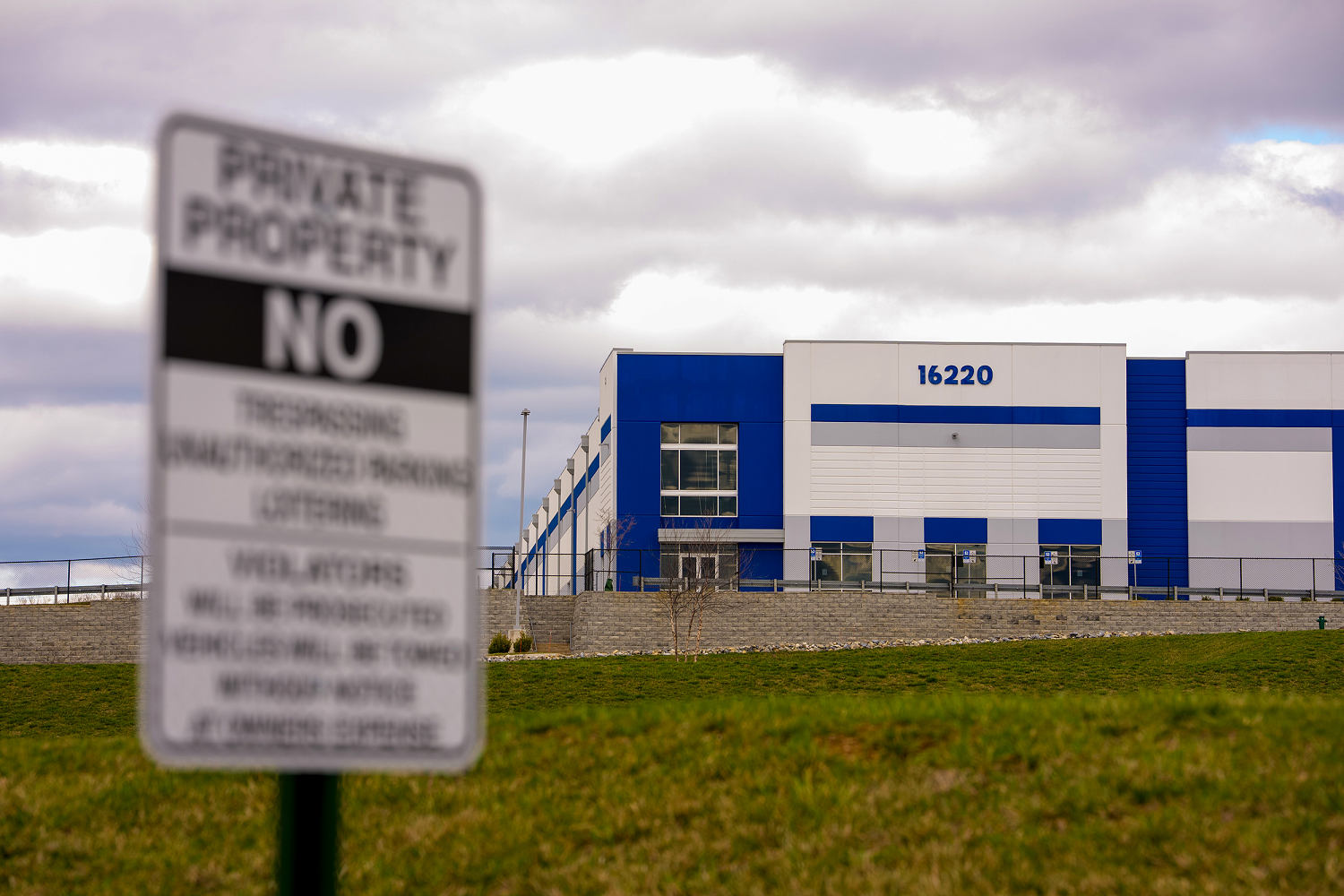
DHS pauses plans to buy warehouses for immigrant detention
📖 Full Retelling
📚 Related People & Topics

United States Department of Homeland Security
United States federal executive department
The United States Department of Homeland Security (DHS) is the U.S. federal executive department responsible for public security, roughly comparable to the interior, home, or public security ministries in other countries. Its missions involve anti-terrorism, civil defense, immigration and customs, b...
Entity Intersection Graph
Connections for United States Department of Homeland Security:
Mentioned Entities
Deep Analysis
Why It Matters
This decision matters because it represents a significant shift in U.S. immigration enforcement policy, potentially affecting thousands of migrants awaiting processing. It impacts immigrant communities who face detention, advocacy groups monitoring detention conditions, and government agencies responsible for border management. The pause could signal either a temporary logistical adjustment or a more permanent policy change toward detention alternatives, with implications for humanitarian treatment and border security approaches.
Context & Background
- The U.S. has maintained a network of immigration detention facilities for decades, with capacity expanding significantly during various administrations
- During the Trump administration, detention capacity increased substantially, with controversial policies like family separation drawing international criticism
- The Biden administration initially pledged to reduce reliance on detention and explore alternatives to custody
- Recent migrant surges at the southern border have strained existing detention facilities, creating pressure to expand capacity
- Warehouse-style facilities have been criticized by human rights groups for poor conditions and inadequate services for detainees
What Happens Next
DHS will likely conduct a review of current detention needs and alternatives, with decisions expected within 3-6 months. Congressional oversight committees will probably hold hearings on detention policies. Immigration advocacy groups may push for permanent cancellation of warehouse plans and increased use of community-based alternatives. The pause could lead to renewed negotiations with local governments about detention facility locations and conditions.
Frequently Asked Questions
The pause could reflect policy reassessment, budget constraints, or response to advocacy pressure. It may indicate a shift toward alternatives like ankle monitors or community-based case management rather than physical detention facilities.
Existing detainees won't see immediate changes, but future arrivals might face different processing. The pause could reduce overall detention capacity, potentially leading to faster releases or different handling of new cases.
Alternatives include ankle monitoring devices, telephone check-ins, community-based supervision programs, and case management services. These options are generally cheaper than detention and allow migrants to live in communities while their cases proceed.
Border patrol operations continue regardless of detention capacity decisions. However, processing and holding procedures may need adjustment if detention space becomes constrained, potentially affecting how long migrants can be held.
Human rights organizations, immigrant advocacy groups, and some lawmakers oppose such facilities due to concerns about poor living conditions, inadequate medical care, and psychological impacts on detainees, particularly vulnerable populations.