

Don't let Big Tech hide behind a rainbow flag
📚 Related People & Topics
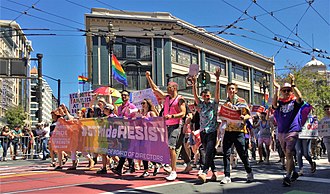
Pride Month
Monthlong observance celebrating LGBTQ culture
Pride Month, sometimes specified as LGBTQ Pride Month, is a month-long observance dedicated to the celebration of LGBTQ pride, commemorating the contributions of lesbian, gay, bisexual, transgender and queer (LGBTQ) culture and community. Pride Month is observed in June in the United States, coincid...

Big Tech
Label for large technology companies
The Big Tech companies, also known as the tech giants or tech titans, are the largest and most influential technology companies in the world. The term Big Tech often refers to the largest six tech companies in the United States, Alphabet (Google), Amazon, Apple, Meta (Facebook), Microsoft, and Nvidi...
Entity Intersection Graph
No entity connections available yet for this article.
Mentioned Entities
Deep Analysis
Why It Matters
This article addresses the growing concern about corporate 'rainbow-washing' where large technology companies use LGBTQ+ symbolism during Pride Month without making meaningful commitments to LGBTQ+ rights or addressing discriminatory practices within their organizations. This matters because it exposes performative activism that can undermine genuine equality efforts while allowing corporations to profit from marginalized communities. The issue affects LGBTQ+ employees and consumers who may feel exploited by superficial gestures, as well as activists working for substantive policy changes. It also raises questions about corporate accountability and ethical marketing practices in the digital age.
Context & Background
- Corporate participation in Pride events has grown significantly since the 1990s, with many companies now sponsoring Pride parades and launching rainbow-themed marketing campaigns
- Several major tech companies have faced criticism for donating to anti-LGBTQ+ politicians while publicly supporting Pride, creating what activists call 'rainbow capitalism'
- The term 'rainbow-washing' emerged in the 2010s to describe companies using LGBTQ+ symbols for profit without supporting substantive equality measures
- Tech industry diversity reports consistently show LGBTQ+ employees remain underrepresented in leadership positions at major companies
- Recent controversies include tech platforms hosting anti-LGBTQ+ content while displaying rainbow logos during Pride Month
What Happens Next
Expect increased scrutiny of corporate Pride campaigns in June 2024, with activist groups likely to publish scorecards rating companies' actual LGBTQ+ policies versus their marketing. Several shareholder resolutions may be introduced at tech company annual meetings demanding transparency about political donations and internal equity measures. Regulatory bodies might consider guidelines for authentic corporate social responsibility claims, particularly regarding marginalized communities.
Frequently Asked Questions
Rainbow-washing refers to companies using LGBTQ+ symbols and Pride marketing without implementing substantive policies to support LGBTQ+ rights. This often involves superficial gestures like changing logos to rainbow colors while continuing business practices that harm LGBTQ+ communities.
Tech companies use Pride marketing to appeal to younger, progressive consumers and employees while avoiding costly structural changes. Many view it as low-risk brand enhancement that generates positive publicity without requiring significant policy reforms or resource allocation.
Authentic support includes year-round LGBTQ+ inclusive policies, equitable benefits for transgender employees, consistent enforcement of anti-discrimination measures, and transparency about political donations. Consumers should look beyond seasonal marketing to examine companies' actual practices and track records.
Substantive support includes funding LGBTQ+ organizations year-round, implementing inclusive healthcare benefits, establishing employee resource groups with executive support, and advocating for protective legislation. Companies like Salesforce and Apple have been cited for relatively comprehensive approaches.
Performative Pride campaigns can create workplace dissonance where public marketing contradicts internal experiences. Employees may feel tokenized or pressured to participate in marketing while facing actual discrimination, inadequate benefits, or lack of career advancement opportunities.