
Dow closes more than 700 points down after Fed holds rates steady
#Dow Jones #Federal Reserve #interest rates #stock market #market sell-off #monetary policy #economic outlook
📌 Key Takeaways
- Dow Jones Industrial Average fell over 700 points following the Federal Reserve's decision to keep interest rates unchanged
- The Federal Reserve's steady rate policy triggered a sharp sell-off in the stock market
- Investors reacted negatively to the Fed's stance, indicating concerns about economic conditions
- The significant drop reflects market anxiety over future monetary policy and economic outlook
📖 Full Retelling
🏷️ Themes
Stock Market, Federal Reserve
📚 Related People & Topics

Federal Reserve
Central banking system of the US
The Federal Reserve System (often shortened to the Federal Reserve, or simply the Fed) is the central banking system of the United States. It was created on December 23, 1913, with the enactment of the Federal Reserve Act, after a series of financial panics (particularly the panic of 1907) led to th...
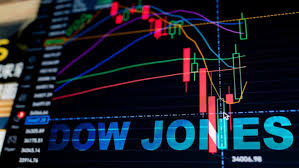
Dow Jones
List of mass media-related articles with the same name
# Dow Jones **Dow Jones** is a prominent financial information and publishing brand, named after its founding business partners, **Charles Dow** and **Edward Jones**. Historically, the name is synonymous with the development of modern financial journalism and market analysis. ### Etymology and Ori...
Entity Intersection Graph
Connections for Federal Reserve:
Mentioned Entities
Deep Analysis
Why It Matters
This sharp market decline following the Fed's decision signals investor disappointment with the central bank's stance, potentially indicating concerns about economic growth or inflation persistence. The significant drop affects millions of Americans with retirement accounts, investors across all market segments, and could influence consumer confidence and spending patterns. Financial institutions and businesses may face tighter credit conditions, while the volatility underscores ongoing uncertainty about the economic trajectory and monetary policy effectiveness.
Context & Background
- The Federal Reserve has been battling persistent inflation since 2021, implementing 11 rate hikes between March 2022 and July 2023
- Stock markets have shown extreme sensitivity to Fed communications since the pandemic, with previous 'Fed days' triggering major swings
- The Dow Jones Industrial Average had gained approximately 20% from October 2023 lows prior to this decline, creating vulnerability to profit-taking
- Market expectations had been divided between those anticipating rate cuts and those expecting continued hawkish policy to combat inflation
What Happens Next
Analysts will scrutinize upcoming economic data (especially inflation and employment reports) for clues about future Fed moves. The next Federal Open Market Committee meeting in March will be closely watched for potential policy shifts. Market volatility is likely to continue as investors reassess earnings expectations and economic growth projections in light of the Fed's stance.
Frequently Asked Questions
Markets likely fell because investors were hoping for clearer signals about future rate cuts or more dovish language about inflation progress. The Fed's decision to maintain current rates without strong indications of imminent easing disappointed traders who had priced in more aggressive monetary policy support.
This affects retirement account values, potentially reduces home equity as housing markets react, and may influence borrowing costs for mortgages and loans. Consumer confidence could decline if market volatility persists, potentially impacting spending decisions.
The Fed's decision suggests they remain concerned about inflation and want more evidence it's sustainably moving toward their 2% target. Future rate decisions will depend heavily on upcoming inflation, employment, and economic growth data over the coming months.
While significant single-day declines are concerning, market corrections are normal during economic transitions. The key consideration is whether this represents a temporary adjustment or the beginning of a broader trend, which will depend on subsequent economic data and corporate earnings.
This reaction is substantial but not unprecedented—similar Fed meetings in 2022 and 2023 triggered comparable volatility. The magnitude reflects ongoing uncertainty about the economic 'soft landing' scenario and the appropriate pace of monetary policy normalization.