
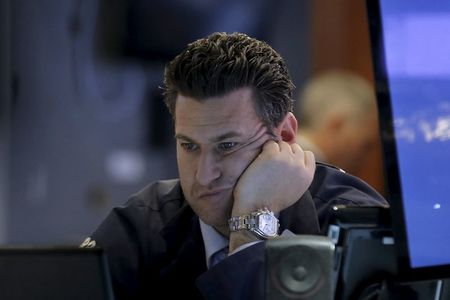
Dubai stocks tumble as Iran warns of infrastructure strikes
#Dubai #stocks #Iran #infrastructure #strikes #market decline #Middle East
📌 Key Takeaways
- Dubai stock market experiences significant decline.
- Iran issues warnings about potential infrastructure strikes.
- Geopolitical tensions in the Middle East impact financial markets.
- Investor confidence in the region appears shaken.
🏷️ Themes
Geopolitical Risk, Market Volatility
📚 Related People & Topics

Iran
Country in West Asia
# Iran **Iran**, officially the **Islamic Republic of Iran** and historically known as **Persia**, is a sovereign country situated in West Asia. It is a major regional power, ranking as the 17th-largest country in the world by both land area and population. Combining a rich historical legacy with a...

Middle East
Transcontinental geopolitical region
The Middle East is a geopolitical region encompassing the Arabian Peninsula, Egypt, Iran, Iraq, the Levant, and Turkey. The term came into widespread usage by Western European nations in the early 20th century as a replacement of the term Near East (both were in contrast to the Far East). The term ...

Dubai
City in the United Arab Emirates
Dubai is the most populous city in the United Arab Emirates and the capital of the Emirate of Dubai. It is on a creek on the southeastern coast of the Persian Gulf. As of 2025, its population stands at 4 million, 92% of whom are expatriates.
Entity Intersection Graph
Connections for Iran:
Mentioned Entities
Deep Analysis
Why It Matters
This news matters because it demonstrates how geopolitical tensions in the Middle East directly impact global financial markets, particularly in regional hubs like Dubai. It affects international investors with exposure to Gulf markets, regional businesses dependent on stable investment climates, and global energy markets due to potential supply disruptions. The warning highlights the vulnerability of economic infrastructure in conflict zones and could influence foreign investment decisions across the region.
Context & Background
- Dubai has positioned itself as a major financial and commercial hub in the Middle East, attracting significant foreign investment
- Iran has previously threatened regional targets during periods of heightened tensions with Gulf states and Western powers
- Gulf stock markets are particularly sensitive to geopolitical risks due to their reliance on international capital and trade flows
- The UAE and Iran have had strained relations in recent years over regional proxy conflicts and maritime security issues
- Dubai's economy is heavily dependent on tourism, real estate, and financial services - all sectors vulnerable to geopolitical instability
What Happens Next
Market analysts will monitor whether the selloff continues or stabilizes in coming trading sessions. Regional governments may issue statements to reassure investors about security measures. If tensions escalate further, we could see increased volatility in oil prices and broader emerging markets. Diplomatic channels between Gulf states and Iran will likely be activated to de-escalate the situation.
Frequently Asked Questions
Iran has previously used such warnings as geopolitical leverage during regional disputes, often targeting economic hubs to pressure Gulf states aligned against its interests. These threats typically emerge during periods of heightened tensions over issues like nuclear negotiations or regional conflicts.
While temporary market fluctuations are common, sustained declines in Dubai's market could signal reduced investor confidence in regional stability. As a bellwether for Gulf investments, prolonged weakness might affect capital flows throughout the Middle East.
Real estate, tourism, and financial services would be most immediately affected as they rely heavily on perceived security and stability. Energy and transportation infrastructure could also face indirect impacts through increased insurance costs and supply chain disruptions.
Residents may experience economic ripple effects through potential job market uncertainty, changes in consumer confidence, and possible impacts on property values. However, Dubai has historically maintained robust security measures during regional tensions.
Yes, neighboring markets like Abu Dhabi, Saudi Arabia, and Qatar typically experience correlated movements during regional geopolitical events, though the magnitude varies based on each market's specific exposures and investor profiles.