
Early details on Iran's naming of new supreme leader, Mojtaba Khamenei
#Iran #supreme leader #Mojtaba Khamenei #succession #Ayatollah Ali Khamenei #political leadership #religious authority
📌 Key Takeaways
- Iran is naming Mojtaba Khamenei as the new supreme leader.
- The appointment is in its early stages with details still emerging.
- Mojtaba Khamenei is the son of the current supreme leader, Ayatollah Ali Khamenei.
- This succession could signal a continuation of the current regime's policies.
- The move may have significant implications for Iran's political and religious leadership.
📖 Full Retelling
🏷️ Themes
Leadership Succession, Iranian Politics
📚 Related People & Topics

Ali Khamenei
Supreme Leader of Iran since 1989
Ali Hosseini Khamenei (born 19 April 1939) is an Iranian cleric and politician who has served as the second supreme leader of Iran since 1989. He previously served as the third president of Iran from 1981 to 1989. His tenure as supreme leader, spanning 36 years, makes him the longest-serving head of...
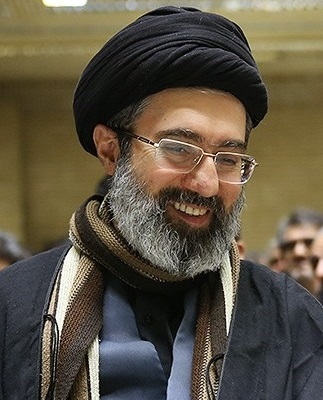
Mojtaba Khamenei
Iranian politician and cleric (born 1969)
Mojtaba Hosseini Khamenei (born 8 September 1969) is an Iranian politician and Muslim cleric. The second eldest child of Ali Khamenei, the former supreme leader of Iran, Mojtaba Khamenei served in the Iran–Iraq War from 1987 to 1988, and also reportedly took control of the Basij that was used to sup...

Iran
Country in West Asia
# Iran **Iran**, officially the **Islamic Republic of Iran** and historically known as **Persia**, is a sovereign country situated in West Asia. It is a major regional power, ranking as the 17th-largest country in the world by both land area and population. Combining a rich historical legacy with a...
Entity Intersection Graph
Connections for Ali Khamenei:
View full profileMentioned Entities
Deep Analysis
Why It Matters
This news is critically important because the Supreme Leader is Iran's highest authority, controlling the military, judiciary, and foreign policy. The succession affects Iran's domestic governance, regional proxy wars, and nuclear negotiations with Western powers. The transition will impact Iran's 85 million citizens, Middle Eastern neighbors, and global powers invested in regional stability and non-proliferation agreements.
Context & Background
- Iran's Supreme Leader holds ultimate power under the country's theocratic system, established after the 1979 Islamic Revolution
- Current Supreme Leader Ali Khamenei, 85, has held the position since 1989 following the death of Ayatollah Khomeini
- Mojtaba Khamenei is the current leader's son and has been groomed for leadership while maintaining a low public profile
- The Assembly of Experts constitutionally selects the Supreme Leader but is heavily influenced by Iran's Revolutionary Guard Corps
- Previous successions have occurred only twice since the revolution, making this a rare and significant transition
What Happens Next
Formal selection by the Assembly of Experts will occur after Ali Khamenei's death or incapacitation, likely within the next 1-3 years given his age and health. Mojtaba's confirmation would trigger immediate power consolidation efforts, potential internal power struggles with reformist factions, and renewed international scrutiny of Iran's governance structure. Regional allies and adversaries will reassess their strategies based on the new leader's perceived ideological leanings.
Frequently Asked Questions
The Assembly of Experts, an 88-member clerical body elected by the public, officially selects the Supreme Leader. However, the process is heavily influenced by Iran's powerful Revolutionary Guard Corps and existing power structures within the theocratic system.
Analysts suggest Mojtaba would likely continue his father's conservative policies but might face legitimacy challenges as a hereditary successor. His lower public profile makes his specific governance style and foreign policy approach less predictable than established political figures.
The Supreme Leader controls Iran's armed forces, intelligence agencies, judiciary, and state media. They appoint key military commanders, judicial heads, and half of the Guardian Council members who vet political candidates and legislation.
A leadership transition typically creates uncertainty in diplomatic engagements. Western powers may pause negotiations until the new leader's positions become clear, potentially delaying or altering current nuclear agreement discussions.
Yes, some reformist factions and clerics oppose hereditary succession as contradicting revolutionary principles. However, the powerful Revolutionary Guard Corps appears supportive, making significant organized resistance unlikely to prevent his selection.