
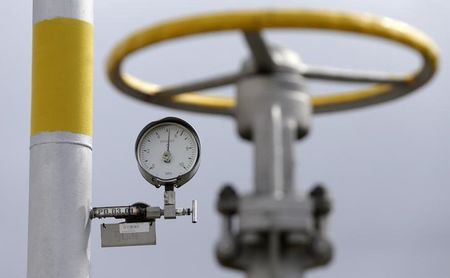
EU monitors oil and gas markets amid Strait of Hormuz concerns
#EU #oil markets #gas markets #Strait of Hormuz #energy supply #geopolitical risk #market monitoring
📌 Key Takeaways
- EU is actively monitoring oil and gas markets due to rising tensions in the Strait of Hormuz
- Concerns focus on potential disruptions to energy supply routes through the strategic waterway
- The monitoring aims to assess market stability and prepare for possible supply shocks
- The situation highlights EU's vulnerability to geopolitical risks affecting energy security
🏷️ Themes
Energy Security, Geopolitical Tensions
📚 Related People & Topics

European Union
Supranational political and economic union
The European Union (EU) is a supranational political and economic union of 27 member states that are located primarily in Europe. The union has a total area of 4,233,255 km2 (1,634,469 sq mi) and an estimated population of more than 450 million as of 2025. The EU is often described as a sui generis ...

Strait of Hormuz
Strait between the Gulf of Oman and the Persian Gulf
The Strait of Hormuz ( Persian: تنگهٔ هُرمُز Tangeh-ye Hormoz , Arabic: مَضيق هُرمُز Maḍīq Hurmuz) is a strait between the Persian Gulf and the Gulf of Oman. It provides the only sea passage from the Persian Gulf to the open ocean and is one of the world's most strategically important choke points. ...
Entity Intersection Graph
Connections for European Union:
View full profileMentioned Entities
Deep Analysis
Why It Matters
This news matters because the Strait of Hormuz is a critical global energy chokepoint through which about 20-30% of the world's oil passes. EU monitoring indicates potential supply disruptions could significantly impact European energy security and global oil prices. This affects consumers through potential fuel price increases, energy-dependent industries, and countries reliant on Middle Eastern oil imports. The situation also has geopolitical implications for EU relations with Iran and regional stability.
Context & Background
- The Strait of Hormuz is a narrow waterway between Oman and Iran connecting the Persian Gulf to the Gulf of Oman and Arabian Sea
- Iran has previously threatened to close the strait during tensions with Western powers over its nuclear program and sanctions
- The EU imports approximately 20% of its crude oil from the Middle East, with much of it transiting through the Strait of Hormuz
- Previous disruptions in the strait have caused global oil price spikes of 10-20% within days
- The EU has been working to diversify energy sources since the 2022 Russia-Ukraine war exposed energy security vulnerabilities
What Happens Next
The EU will likely increase coordination with international partners like the US and regional Gulf states to ensure maritime security. Energy markets may see increased volatility if tensions escalate, potentially leading to emergency oil reserve releases. The European Commission may accelerate plans for alternative energy routes and renewable energy investments. Diplomatic efforts to de-escalate regional tensions will intensify in coming weeks.
Frequently Asked Questions
The Strait of Hormuz is the world's most important oil transit chokepoint, with about 21 million barrels of oil passing through daily. This represents roughly one-third of all seaborne traded oil and 20-30% of global oil consumption. Closure would require massive rerouting of tankers around Africa, increasing costs and transit times significantly.
European consumers would face immediate fuel price increases at gas stations and higher heating costs. Transportation and manufacturing sectors would see increased operational costs, potentially leading to higher prices for goods and services. The economic impact could contribute to inflation and reduced consumer spending power.
Europe could increase imports from other regions like the US, Africa, or Latin America, though this would be more expensive. The EU could also tap strategic petroleum reserves and accelerate energy conservation measures. Long-term alternatives include increased investment in renewables and diversifying supply routes through pipelines from Central Asia.
Tensions usually arise from geopolitical conflicts involving Iran, including nuclear program disputes, sanctions enforcement, and regional rivalries with Saudi Arabia and Israel. Maritime incidents like tanker seizures, attacks on shipping, and military exercises in the area frequently escalate tensions. Historical conflicts like the Iran-Iraq war have previously threatened strait security.
The EU monitors through agencies like the European Commission's energy department and the EU External Action Service, tracking shipping data, energy prices, and geopolitical developments. They coordinate with member states' intelligence services and international partners. Monitoring includes analyzing market indicators, satellite imagery of maritime traffic, and diplomatic channels for early warning signs.