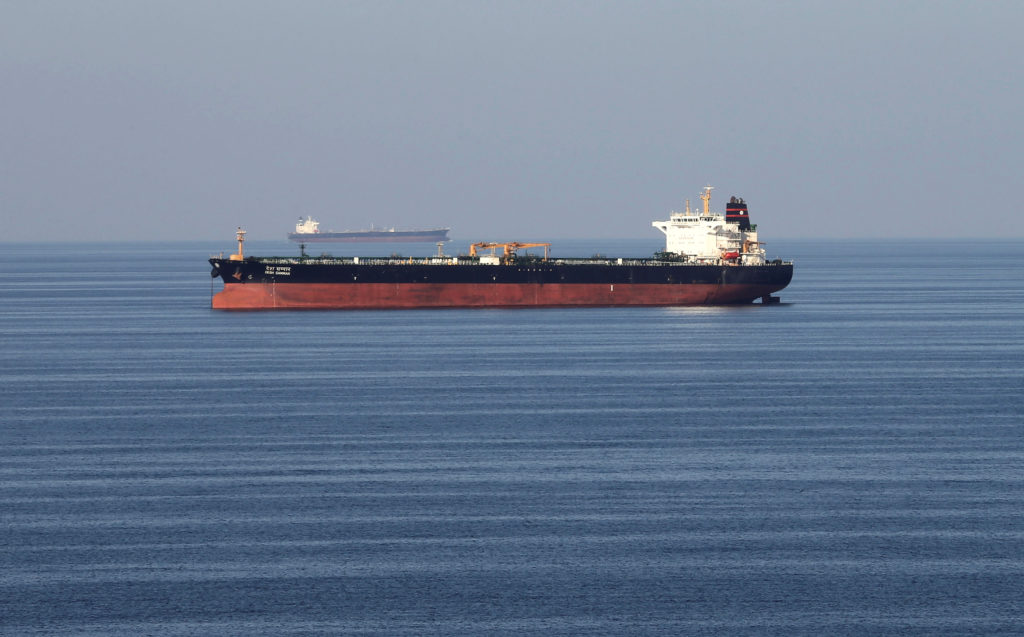
Expert warns Middle East energy infrastructure will take months to recover
#Middle East energy#infrastructure damage#oil prices#ceasefire#Jason Bordoff#energy policy#supply chain#recovery timeline
📌 Key Takeaways
Middle East energy infrastructure needs months to repair despite ceasefire.
Global oil and gas prices may not drop significantly as hoped.
Damage to shipping lanes, pipelines, and facilities causes prolonged disruption.
Repairs are slow due to technical complexity, logistics, and security concerns.
📖 Full Retelling
Energy experts including Jason Bordoff, founding director of Columbia University's Center on Global Energy Policy, warned in recent discussions that Middle Eastern energy infrastructure will require months to recover despite the current fragile U.S.-Iran ceasefire. The assessment, discussed with journalist William Brangham, indicates that global oil and gas prices may not see the significant declines many market observers had anticipated following the de-escalation of tensions.
The warning stems from the extensive damage sustained by critical energy assets across the region during the period of heightened conflict. Key shipping lanes like the Strait of Hormuz experienced disruptions, while production facilities, pipelines, and export terminals in several Gulf states suffered both direct attacks and collateral damage. Bordoff emphasized that repairing this complex infrastructure—much of which involves specialized technology and operates under high pressure and safety standards—is not a swift process. Logistics, security concerns for repair crews, and the need for replacement parts all contribute to the extended timeline.
This protracted recovery period means the 'risk premium' built into global energy prices during the conflict is likely to persist. Consumers and industries hoping for immediate relief at the pump or in their energy bills may be disappointed. The situation underscores the fragility of global energy supply chains and how geopolitical instability in a single critical region can have prolonged worldwide economic consequences. The expert commentary suggests that markets should prepare for a gradual, rather than sudden, normalization of energy flows and pricing, contingent on both physical repairs and sustained diplomatic stability.
The Middle East is a geopolitical region encompassing the Arabian Peninsula, Egypt, Iran, Iraq, the Levant, and Turkey.
The term came into widespread usage by Western European nations in the early 20th century as a replacement of the term Near East (both were in contrast to the Far East). The term ...
Jason Eric Bordoff (born 1972/1973) is an American energy policy expert, and a researcher specializing in the intersection of economics, energy, environment, and national security. In April 2021, he was named a Co-Founding Dean of the Columbia Climate School. Since 2013 he has served as the founding...
Even with this shaky ceasefire between the U.S. and Iran, some warn the energy infrastructure in the Middle East will take months to recover, and prices may not drop as much as hoped. William Brangham discussed more with Jason Bordoff, the founding director of the Center on Global Energy Policy at Columbia University.