
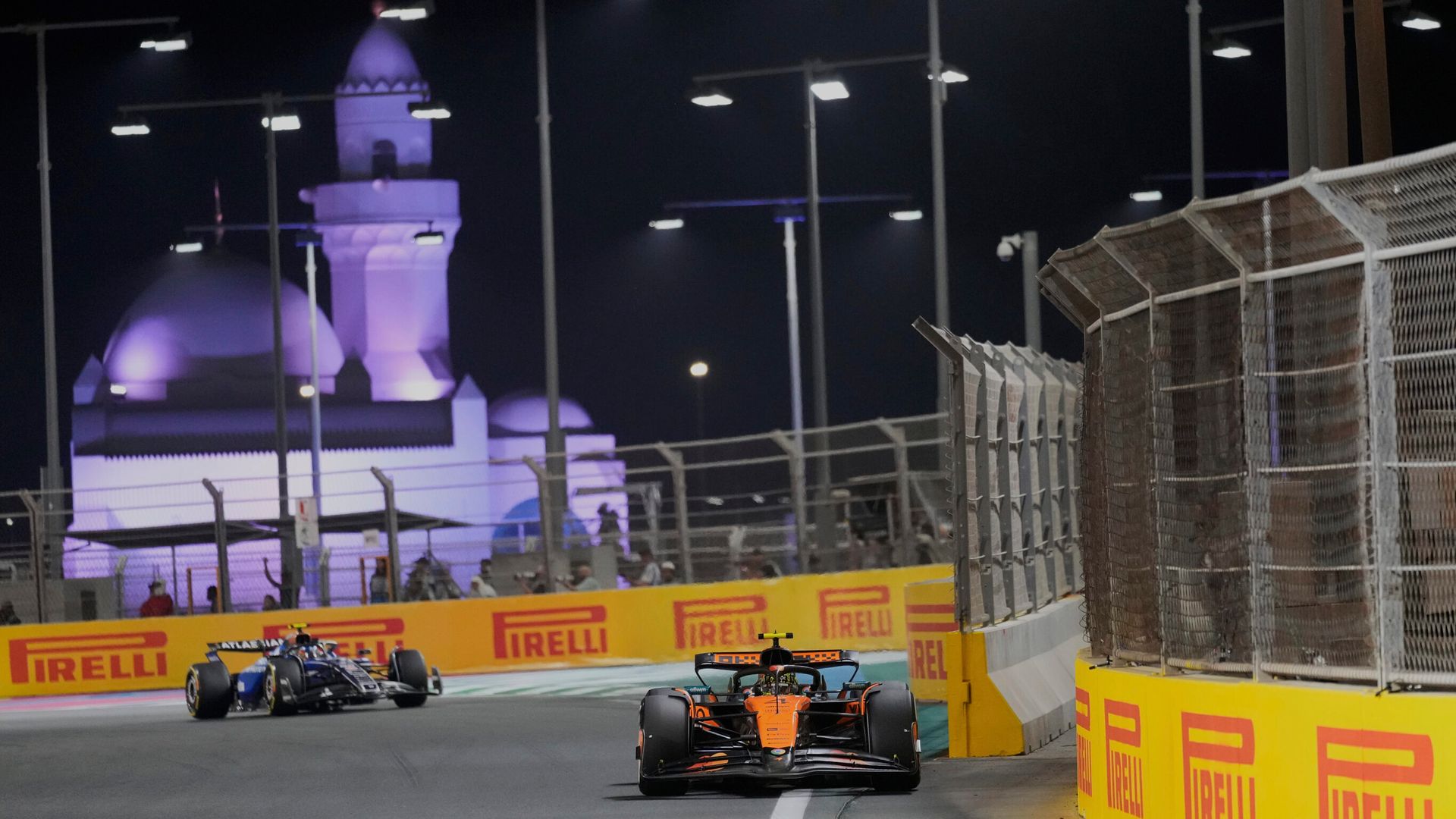
F1 confirms cancellation of Bahrain and Saudi Arabia races
#Formula 1 #Bahrain Grand Prix #Saudi Arabia Grand Prix #race cancellation #Middle East tensions #F1 schedule #security concerns
📌 Key Takeaways
- F1 cancels Bahrain Grand Prix due to regional instability
- Saudi Arabian Grand Prix also called off amid security concerns
- Decision follows escalating tensions in the Middle East
- Rescheduling not confirmed; future of both races remains uncertain
📖 Full Retelling
🏷️ Themes
Sports Cancellations, Geopolitical Impact
📚 Related People & Topics

Saudi Arabia
Country in West Asia
Saudi Arabia, officially the Kingdom of Saudi Arabia (KSA) and also known simply as the Saudi, is a country in West Asia. Located in the centre of the Middle East, it covers the bulk of the Arabian Peninsula and has a land area of about 2,150,000 km2 (830,000 sq mi), making it the fifth-largest coun...
Entity Intersection Graph
Connections for Saudi Arabia:
Mentioned Entities
Deep Analysis
Why It Matters
This cancellation significantly impacts the Formula 1 season structure, affecting teams, sponsors, and broadcasters who rely on the full calendar for revenue and exposure. It disrupts the competitive rhythm for drivers and teams who have prepared specifically for these circuits, potentially altering championship dynamics. The decision also has geopolitical implications, affecting Saudi Arabia's and Bahrain's efforts to use F1 for tourism promotion and international image-building. Fans in the Middle East and worldwide lose major sporting events that typically draw international attention and economic activity to the region.
Context & Background
- Bahrain has hosted F1 races since 2004 and was the first Middle Eastern country to join the calendar, with its circuit becoming a modern staple of the season.
- Saudi Arabia's Jeddah Corniche Circuit only joined the F1 calendar in 2021 as part of the country's ambitious sports-washing strategy to improve its international image.
- Both races are typically held early in the season (March-April) and have become important revenue sources for F1, with Saudi Arabia reportedly paying one of the highest hosting fees on the calendar.
- Middle Eastern races have grown increasingly important to F1's business model, representing lucrative deals and expanding the sport's global footprint beyond traditional European circuits.
- Previous cancellations of F1 races (like during COVID-19) have shown how calendar disruptions can create contractual complications and financial losses for all stakeholders involved.
What Happens Next
F1 will likely announce replacement races or schedule adjustments within the next 2-4 weeks to fill the calendar gaps, with potential candidates including returning to traditional European circuits or adding second races at existing venues. Teams will need to adjust their logistics and preparation timelines for the revised early-season schedule. Contract renegotiations between F1 and the affected circuits/organizers will commence regarding financial settlements and potential future race dates. Broadcasters will need to update their programming schedules and advertising commitments for the altered season opening.
Frequently Asked Questions
The article doesn't specify reasons, but typical F1 race cancellations result from political instability, security concerns, contractual disputes, or unforeseen logistical challenges. Without official explanation, we can only speculate about the specific causes behind this decision.
That depends on the reasons for cancellation and ongoing negotiations. Both circuits have multi-year contracts, so F1 will likely work to reinstate them if possible, but permanent removal is possible if underlying issues persist.
It creates uncertainty in early-season momentum and data collection, as teams lose two specific circuit types from their development programs. The championship points distribution starts differently, potentially advantageing teams that adapt better to replacement circuits.
Ticketholders should receive refunds or credits for future events, following standard cancellation protocols. Both circuits will announce specific refund procedures through official channels in coming days.
Yes, teams lose sponsorship activation opportunities and hospitality revenue from these events. Some driver contracts include performance bonuses tied to specific races, though force majeure clauses typically apply to cancellations.