
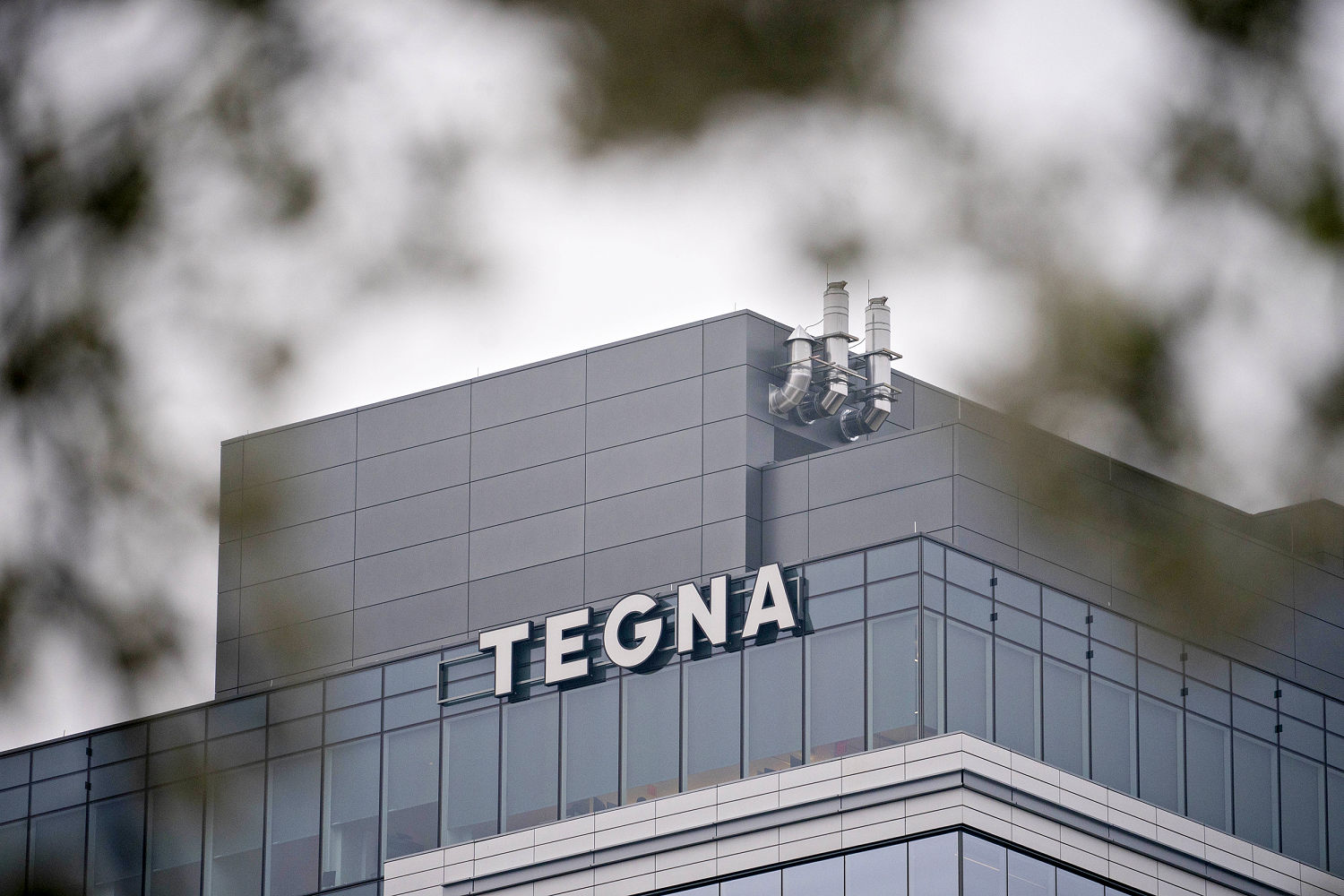
FCC greenlights Nexstar's $6.2B merger with rival TV station owner Tegna
#FCC #Nexstar #Tegna #merger #TV stations #acquisition #$6.2 billion
📌 Key Takeaways
- FCC approves Nexstar's $6.2 billion acquisition of Tegna
- Merger combines two major TV station owners
- Deal valued at $6.2 billion
- Regulatory clearance removes a key hurdle for the transaction
📖 Full Retelling
🏷️ Themes
Media Consolidation, Regulatory Approval
📚 Related People & Topics

Television channel
Frequency/channel over which a television station is distributed
A television channel, or TV channel, is a terrestrial frequency or allocated number over which a television station or television network is distributed. For example, in North America, channel 2 refers to the terrestrial or cable band of 54 to 60 MHz, with carrier frequencies of 55.25 MHz for NTSC a...

Federal Communications Commission
U.S. government agency
# Federal Communications Commission (FCC) The **Federal Communications Commission (FCC)** is an independent agency of the United States federal government responsible for regulating interstate and international communications. Its jurisdiction extends across all 50 states, the District of Columbia,...

Nexstar Media Group
American media company
Nexstar Media Group, Inc. is an American publicly traded media company with headquarters in Irving, Texas; Midtown Manhattan; and Chicago. Founded on June 17, 1996, the company is the largest television station owner in the United States, owning 197 television stations across the United States, most...
Entity Intersection Graph
Connections for Television channel:
Mentioned Entities
Deep Analysis
Why It Matters
This merger creates the largest local TV station group in the U.S., affecting millions of viewers across 116 markets. It significantly reshapes the media landscape by consolidating ownership of local news and programming, potentially reducing competition and diversity in local broadcasting. The deal impacts advertisers through consolidated reach and raises concerns about media concentration and its effects on local journalism quality and pricing power.
Context & Background
- Nexstar Media Group was already the largest TV station owner in the U.S. prior to this merger, operating nearly 200 stations across the country.
- Tegna Inc. was a major broadcast television and digital media company that owned 64 television stations in 51 U.S. markets, spun off from Gannett in 2015.
- The FCC has been scrutinizing media consolidation for years, balancing deregulation efforts with concerns about local news diversity and competition.
- This merger continues a decade-long trend of consolidation in the broadcast television industry, following similar large deals like Sinclair's attempted acquisition of Tribune Media (blocked in 2018) and Gray Television's acquisition of Raycom Media.
What Happens Next
The combined company will begin integrating operations immediately, potentially leading to staff reductions and programming changes at overlapping stations. Regulatory scrutiny may continue from the Department of Justice regarding antitrust concerns. Competitors may pursue their own consolidation deals in response, and consumer advocacy groups are likely to monitor the merger's impact on local news quality and advertising rates. The deal's success will be evaluated in quarterly earnings reports starting Q1 2024.
Frequently Asked Questions
The merger may lead to shared resources and potentially reduced local reporting staff in overlapping markets, but Nexstar claims it will invest in news operations. Viewers might see more standardized content across stations, though the company promises to maintain local focus.
Markets where both companies previously operated competing stations will see the most immediate changes, potentially reducing local news competition. Major markets like Dallas, St. Louis, and Seattle will be particularly impacted as stations consolidate operations.
The FCC determined the merger served the public interest by maintaining local programming commitments and not violating ownership limits. The commission likely considered the companies' arguments about needing scale to compete with digital platforms and cable networks.
Most viewers won't see immediate channel changes, but the increased bargaining power of the combined company may lead to higher retransmission fees charged to cable and satellite providers, which could eventually be passed to consumers through higher bills.
Nexstar will integrate Tegna's digital assets including streaming news services and websites into its existing digital portfolio. This strengthens Nexstar's position in the growing streaming news market and expands its digital advertising capabilities.