
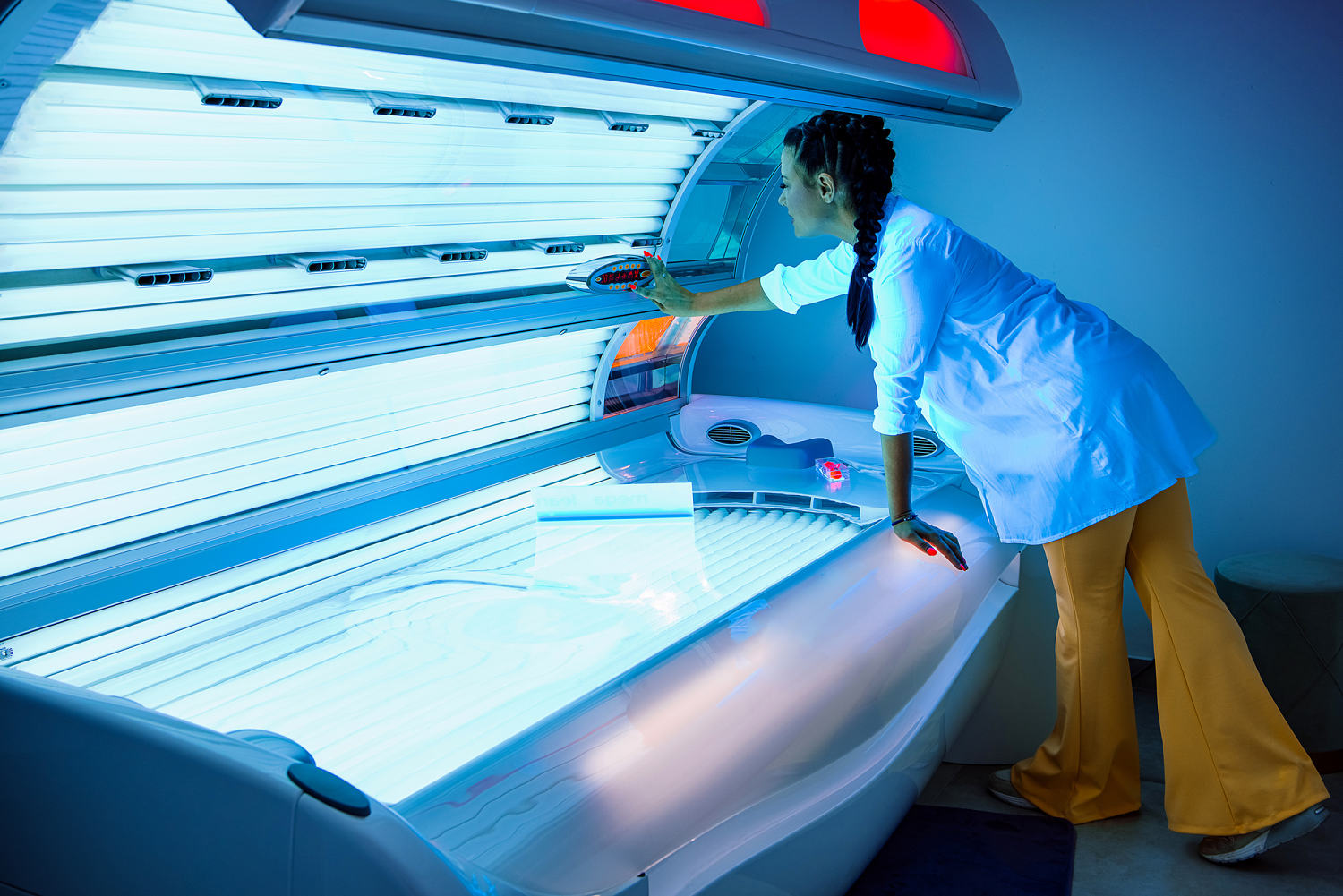
FDA pulls proposed rule banning teens from using tanning beds
#FDA #tanning beds #minors #skin cancer #UV radiation #regulation #health policy
📌 Key Takeaways
- FDA withdrew a proposed rule that would have banned minors from using tanning beds.
- The decision reverses a 2015 proposal aimed at protecting teens from UV radiation risks.
- The withdrawal follows industry pushback and legal challenges to the rule.
- Health advocates express concern over increased skin cancer risks for young people.
📖 Full Retelling
🏷️ Themes
Health Regulation, Public Safety
📚 Related People & Topics

Ultraviolet
Form of electromagnetic radiation
Ultraviolet radiation (UV) is electromagnetic radiation of wavelengths of 100–400 nanometers, shorter than that of visible light, but longer than X-rays. Wavelengths between 10 and 100 nanometers are called extreme ultraviolet and share some properties with soft X-rays. UV radiation is present in su...

Food and Drug Administration
Federal agency in the United States
# Food and Drug Administration (FDA) The **Food and Drug Administration (FDA)** is a federal agency within the **United States Department of Health and Human Services (HHS)**. It serves as the primary regulatory body responsible for protecting and promoting public health in the United States. ### ...
Entity Intersection Graph
No entity connections available yet for this article.
Mentioned Entities
Deep Analysis
Why It Matters
This decision matters because it leaves teenagers vulnerable to the well-documented cancer risks associated with tanning bed use, particularly melanoma, which is the deadliest form of skin cancer. It affects public health advocates who have been pushing for stricter regulations, tanning salon owners who rely on younger customers, and parents concerned about their children's health. The FDA's reversal represents a significant setback for cancer prevention efforts targeting youth, potentially leading to increased healthcare costs and preventable illnesses in the future.
Context & Background
- The FDA first proposed banning minors from using tanning beds in 2015 following mounting evidence linking UV radiation from tanning devices to skin cancer.
- The World Health Organization classified tanning beds as carcinogenic to humans in 2009, placing them in the same risk category as tobacco and asbestos.
- Many states already have restrictions on teen tanning bed use, with at least 20 states and Washington D.C. banning indoor tanning for minors under 18.
- The indoor tanning industry generates approximately $5 billion annually in the United States, with a significant portion coming from teenage customers.
- Melanoma rates have been rising steadily in the U.S., particularly among young women, with studies showing tanning bed use before age 35 increases melanoma risk by 75%.
What Happens Next
Public health organizations will likely increase pressure on state legislatures to implement their own bans, potentially leading to a patchwork of regulations across different states. The tanning industry may face renewed scrutiny and possible lawsuits if more cancer cases are linked to their services. Expect increased public awareness campaigns from cancer prevention groups highlighting the risks of teen tanning, possibly coinciding with summer months when tanning demand typically increases.
Frequently Asked Questions
The FDA hasn't provided detailed reasons, but regulatory reversals often involve industry pressure, changing political priorities, or reconsideration of enforcement feasibility. Some speculate it reflects a broader shift toward deregulation in certain sectors.
Yes, states retain the authority to implement stricter regulations than federal guidelines. Many already have age restrictions ranging from complete bans to requiring parental consent, and this FDA decision may prompt more states to act.
Teens face significantly higher risks of developing melanoma, basal cell carcinoma, and eye damage. Their developing skin is more vulnerable to UV radiation damage, which can have cumulative effects leading to skin cancer later in life.
Existing FDA regulations requiring warning labels and safety standards remain in effect. However, the withdrawal of the age restriction proposal means federal oversight of minor access has been reduced, placing responsibility on states and individual businesses.
Safer alternatives include sunless tanning products like lotions, sprays, and mousses that provide temporary color without UV exposure. These products have improved significantly in recent years to provide more natural-looking results without cancer risks.