
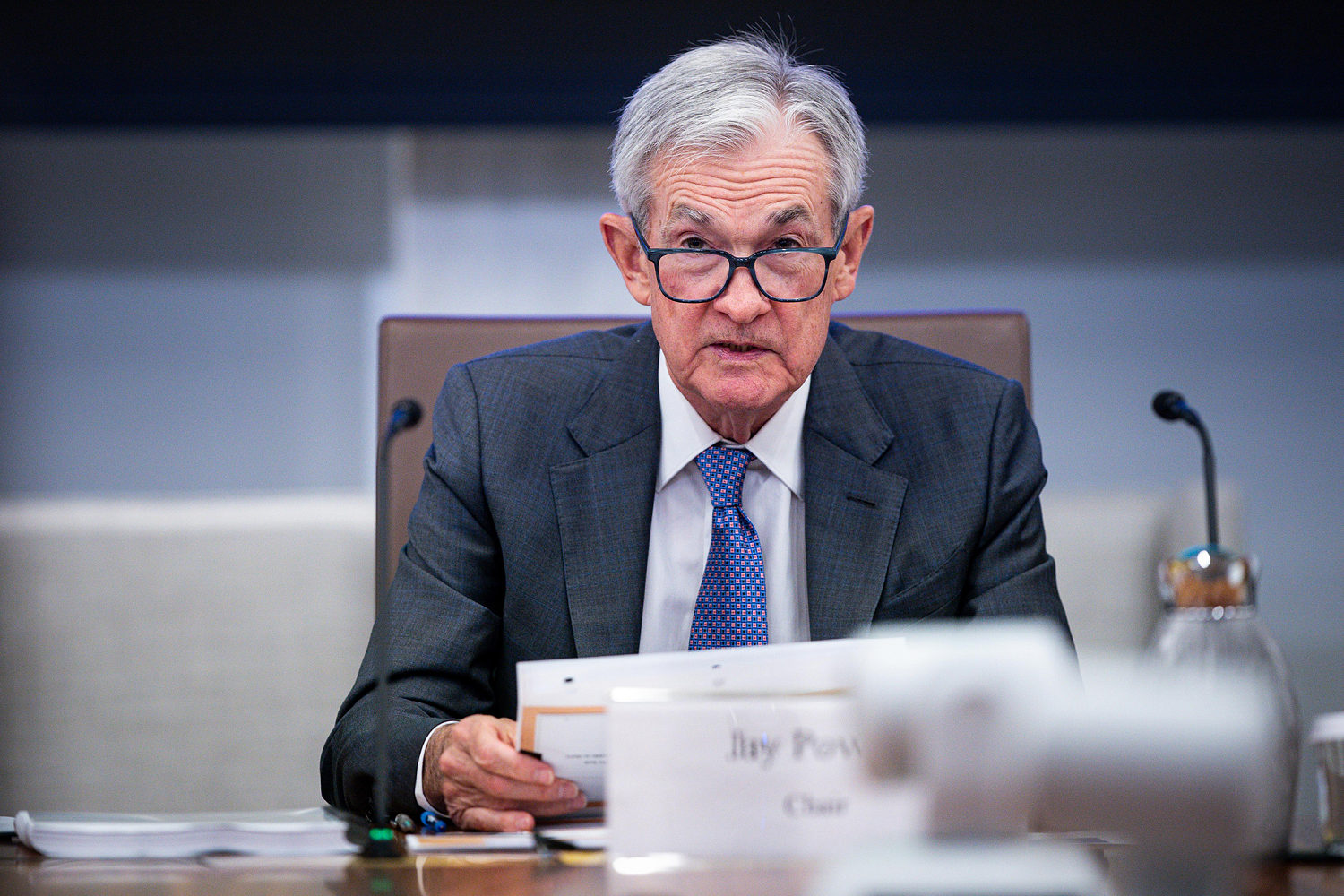
Fed likely to keep rates on hold as it confronts new inflation threat: Soaring gas prices
#Federal Reserve #interest rates #inflation #gas prices #monetary policy #economy #energy costs
📌 Key Takeaways
- The Federal Reserve is expected to maintain current interest rates at its upcoming meeting.
- The decision comes amid renewed inflation concerns driven by a sharp rise in gas prices.
- This new price pressure complicates the Fed's ongoing efforts to manage inflation.
- The central bank is balancing economic stability against the threat of persistent high inflation.
📖 Full Retelling
🏷️ Themes
Monetary Policy, Inflation
📚 Related People & Topics

Federal Reserve
Central banking system of the US
The Federal Reserve System (often shortened to the Federal Reserve, or simply the Fed) is the central banking system of the United States. It was created on December 23, 1913, with the enactment of the Federal Reserve Act, after a series of financial panics (particularly the panic of 1907) led to th...
Entity Intersection Graph
Connections for Federal Reserve:
Mentioned Entities
Deep Analysis
Why It Matters
This news matters because the Federal Reserve's interest rate decisions directly impact borrowing costs for consumers and businesses, affecting everything from mortgages and car loans to business investment. Rising gas prices create a new inflation threat that could prolong high living costs for American households, particularly affecting lower-income families who spend a larger portion of their income on transportation and energy. The Fed's response will influence economic growth, employment, and financial markets, making this a critical issue for investors, policymakers, and the general public.
Context & Background
- The Federal Reserve has raised interest rates 11 times since March 2022 to combat the highest inflation in 40 years
- Gasoline prices have surged approximately 15% in recent months due to production cuts by OPEC+ nations and refinery disruptions
- The Fed's preferred inflation gauge (PCE) remains above the 2% target despite previous rate hikes showing some effect on cooling inflation
- Previous Fed meetings have resulted in a pause in rate hikes since July 2023 as inflation showed signs of moderating
- Energy prices have historically been volatile and can significantly impact overall inflation readings and consumer sentiment
What Happens Next
The Federal Reserve will announce its rate decision on September 20, 2023, with most analysts expecting rates to remain at 5.25%-5.5%. Following the announcement, Chair Jerome Powell will hold a press conference to explain the decision and provide forward guidance. Markets will closely watch for any signals about future rate hikes in November or December meetings, particularly if gas prices continue rising. The next inflation data release (CPI on October 12) will be crucial in determining if the Fed needs to resume tightening monetary policy.
Frequently Asked Questions
The Fed may pause rate hikes because previous increases are still working through the economy, and they want to assess the full impact before taking further action. Additionally, gas price increases are often temporary and driven by supply factors rather than broad economic overheating, which monetary policy cannot easily address.
Gas prices directly impact transportation costs and can create secondary effects as businesses pass along higher shipping expenses to consumers. While energy represents about 7% of the consumer price index, its volatility can significantly influence inflation expectations and consumer spending patterns throughout the economy.
The Fed would likely resume rate hikes if core inflation (excluding food and energy) shows renewed acceleration or if rising gas prices become embedded in broader price expectations. Persistent wage growth above productivity gains or strong consumer spending despite higher rates could also prompt further tightening.
Higher interest rates typically reduce economic demand, which can indirectly lower energy consumption and put downward pressure on gas prices over time. However, in the short term, gas prices are more influenced by global supply factors, geopolitical events, and seasonal demand patterns than by domestic interest rate policy.
Maintaining high interest rates risks triggering a recession by reducing business investment and consumer spending. It could also increase unemployment and create financial stress for households with variable-rate debt, potentially leading to defaults and broader economic instability.