
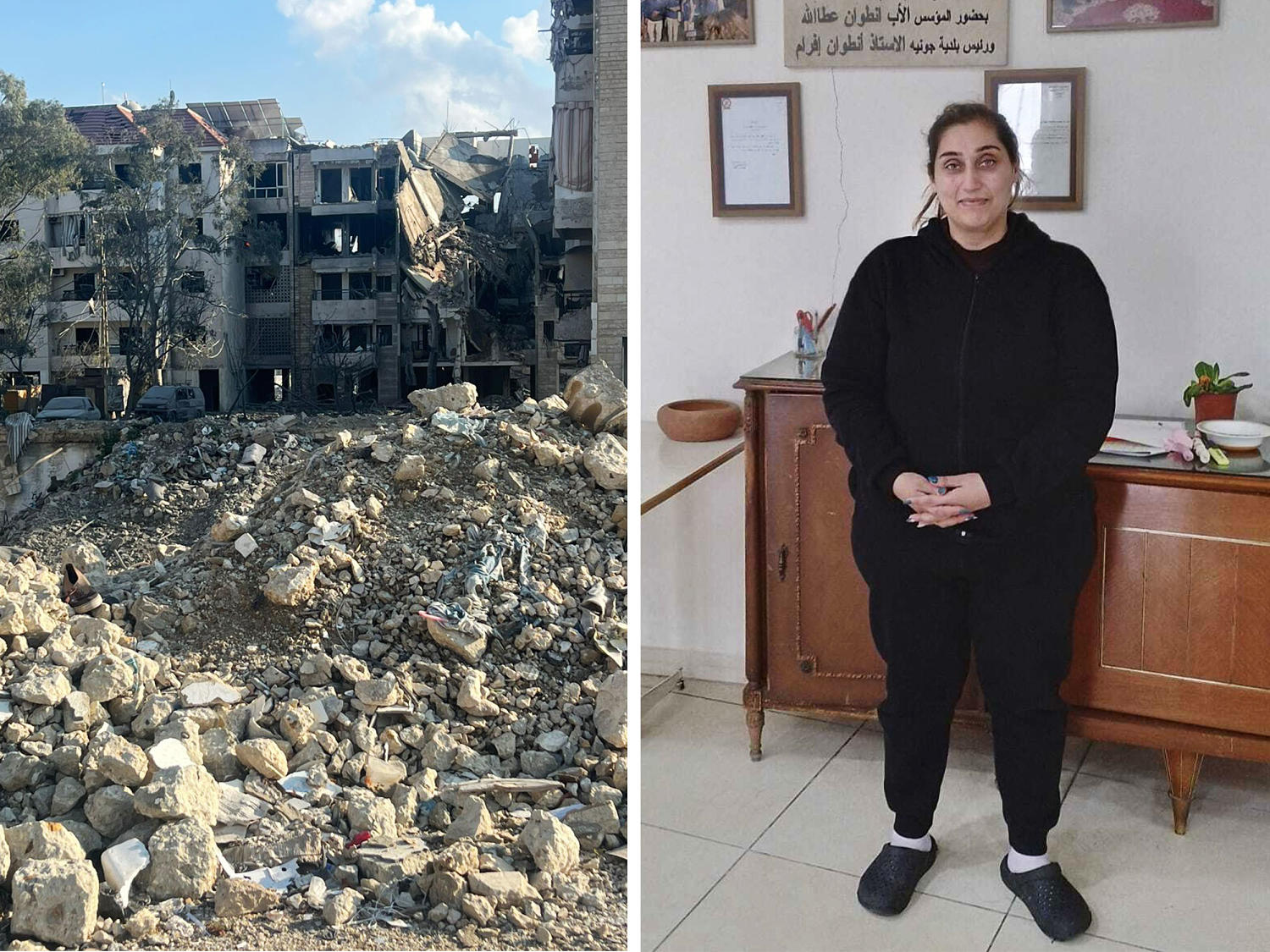
Forced from their homes by Israeli bombing, displaced Lebanese face uncertainty and sectarian tensions
#Israeli bombing #Lebanese displacement #sectarian tensions #civilian crisis #regional instability
📌 Key Takeaways
- Israeli bombing has forced many Lebanese civilians to flee their homes, creating a displacement crisis.
- Displaced individuals are experiencing significant uncertainty regarding their safety and future.
- Sectarian tensions are rising among displaced communities, potentially exacerbating existing conflicts.
- The situation highlights ongoing regional instability and its impact on civilian populations.
📖 Full Retelling
🏷️ Themes
Displacement, Sectarian Conflict
Entity Intersection Graph
No entity connections available yet for this article.
Deep Analysis
Why It Matters
This news matters because it highlights the human cost of cross-border conflict between Israel and Lebanon, affecting thousands of civilians who become internally displaced persons. It reveals how military actions create humanitarian crises that strain Lebanon's already fragile infrastructure and social fabric. The sectarian tensions mentioned suggest the conflict risks exacerbating Lebanon's delicate political balance, potentially leading to broader instability in a region already facing multiple crises.
Context & Background
- Israel and Hezbollah have engaged in periodic cross-border exchanges since the 2006 Lebanon War, with recent escalations linked to the Gaza conflict
- Lebanon has hosted over 1 million Syrian refugees since 2011, placing additional strain on resources and infrastructure
- Lebanon's political system is based on sectarian power-sharing among 18 recognized religious groups, making internal tensions particularly volatile
- The country has been experiencing a severe economic crisis since 2019, with over 80% of the population living below the poverty line
- Southern Lebanon has historically been Hezbollah's stronghold and the primary area affected by Israeli military actions
What Happens Next
International organizations will likely increase humanitarian assistance to displaced populations while diplomatic efforts attempt to prevent further escalation. Lebanon's government may face pressure to provide temporary housing and services, though its capacity is severely limited by economic crisis. Monitoring will focus on whether displacement leads to permanent demographic changes in southern Lebanon and whether sectarian tensions manifest in local conflicts or political deadlock.
Frequently Asked Questions
Israel typically conducts strikes in Lebanon targeting Hezbollah positions in response to attacks from Lebanese territory. The current escalation is likely connected to the broader Israel-Hamas conflict, with Hezbollah launching rockets in solidarity with Palestinians.
Displaced civilians typically move north to safer areas, often staying with relatives, in schools converted to shelters, or in makeshift camps. Beirut and other major cities usually absorb many displaced people, straining already limited resources.
Mass displacement creates immediate humanitarian needs while potentially altering demographic balances that underpin Lebanon's sectarian political system. Economic strain from new displaced populations could worsen the country's financial crisis and social tensions.
Hezbollah controls southern Lebanon where much displacement occurs, and their military actions provoke Israeli responses. As both a political party and armed group, they influence both the conflict dynamics and the government's response to displacement.
Displacement could last weeks to months depending on conflict intensity, though some southern Lebanese communities have experienced periodic displacement for decades. Past conflicts suggest some families may not return if infrastructure is destroyed or they fear future attacks.