
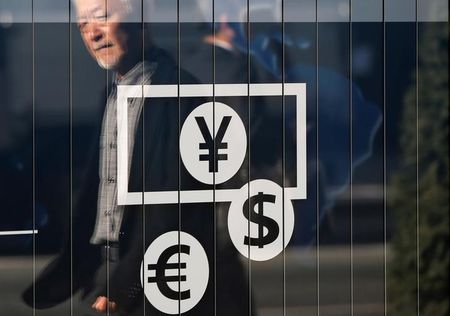
Forex insight: UBS warns of rising currency volatility amid Iran conflict
#UBS #currency volatility #Iran conflict #forex #geopolitical risk #safe-haven currencies #market warning
📌 Key Takeaways
- UBS warns of increased currency volatility due to Iran conflict
- Geopolitical tensions are impacting forex markets
- Investors should prepare for heightened risk in currency trading
- The conflict may lead to safe-haven currency movements
🏷️ Themes
Geopolitics, Forex Markets
📚 Related People & Topics
List of wars involving Iran
This is a list of wars involving the Islamic Republic of Iran and its predecessor states. It is an unfinished historical overview.

UBS
Multinational investment bank headquartered in Switzerland
UBS Group AG (stylized simply as UBS) is a Swiss multinational investment bank and financial services firm founded and based in Switzerland, with headquarters in both Zurich and Basel. It holds a strong foothold in all major financial centres as the largest Swiss banking institution and the world's ...
Entity Intersection Graph
Connections for List of wars involving Iran:
Mentioned Entities
Deep Analysis
Why It Matters
This warning from UBS matters because currency volatility directly impacts international trade, corporate earnings, and investment portfolios worldwide. It affects multinational corporations that rely on stable exchange rates for pricing and profit margins, as well as investors holding foreign assets. Central banks may need to adjust monetary policies or intervene in currency markets to maintain stability. Individual travelers and remittance senders also face higher costs and uncertainty when exchanging currencies during volatile periods.
Context & Background
- The Iranian conflict refers to ongoing tensions between Iran and Israel/Western powers, often involving proxy conflicts and nuclear program disputes
- Historically, Middle East conflicts have triggered oil price spikes that ripple through global markets and currency valuations
- UBS is one of the world's largest wealth managers and investment banks, making their warnings influential in financial circles
- Currency volatility typically increases during geopolitical crises as investors seek safe-haven assets like the US dollar and Swiss franc
- The forex market is the world's largest financial market, trading over $7.5 trillion daily
What Happens Next
Financial institutions will likely increase hedging activities against currency fluctuations in the coming weeks. Central banks in affected regions may issue statements or intervene if volatility threatens economic stability. Oil-dependent currencies (like CAD, RUB, NOK) and Middle Eastern currencies will be most immediately impacted, with potential spillover to emerging market currencies. The next OPEC meeting and any official statements from involved governments will be closely watched for market direction.
Frequently Asked Questions
Oil-exporting nation currencies (like Saudi Riyal, UAE Dirham, Russian Ruble) typically face pressure, while safe-haven currencies (US Dollar, Swiss Franc, Japanese Yen) often strengthen. Emerging market currencies with high oil imports may weaken due to rising energy costs.
It makes international travel more expensive as exchange rates fluctuate, increases costs for imported goods, and affects the value of foreign investments. People sending remittances abroad may get less favorable exchange rates, impacting families relying on international money transfers.
Investors can use currency hedging strategies through specialized funds or derivatives, diversify across multiple currencies, or increase allocations to less volatile assets. Many choose to maintain higher cash positions in stable currencies during uncertain periods.
Initial volatility spikes often last weeks to months, depending on conflict escalation or resolution. However, secondary effects like sustained oil price changes can influence currencies for quarters or even years through economic growth impacts.
Major banks provide market analysis to guide client investment decisions and risk management. These warnings help institutional clients adjust portfolios while demonstrating the bank's research capabilities, potentially attracting more business through thought leadership.