
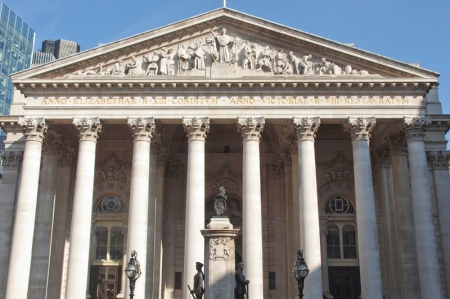
FTSE 100 today: Stocks rise as Middle East tensions persist; BoE decision looms
#FTSE 100 #stocks #Middle East #Bank of England #interest rates #market sentiment #geopolitical risk
📌 Key Takeaways
- FTSE 100 stocks show an upward trend despite ongoing Middle East geopolitical tensions.
- Investors are closely monitoring the upcoming Bank of England (BoE) interest rate decision.
- Market sentiment appears resilient, balancing regional conflict risks with monetary policy expectations.
- The financial markets are navigating a complex environment of persistent geopolitical uncertainty and central bank policy anticipation.
🏷️ Themes
Market Performance, Geopolitical Tensions, Central Bank Policy
📚 Related People & Topics

Middle East
Transcontinental geopolitical region
The Middle East is a geopolitical region encompassing the Arabian Peninsula, Egypt, Iran, Iraq, the Levant, and Turkey. The term came into widespread usage by Western European nations in the early 20th century as a replacement of the term Near East (both were in contrast to the Far East). The term ...

Bank of England
Central bank of the United Kingdom
The Bank of England is the central bank of the United Kingdom and the model on which most modern central banks have been based. Established in 1694 to act as the English Government's banker and debt manager, and still one of the bankers for the government of the United Kingdom, it is the world's sec...
Entity Intersection Graph
Connections for Middle East:
Mentioned Entities
Deep Analysis
Why It Matters
This news matters because it highlights how global geopolitical tensions and central bank decisions simultaneously influence financial markets, affecting investors, pension funds, and the broader UK economy. The FTSE 100's movement reflects investor sentiment amid uncertainty in the Middle East, which can impact oil prices and global trade. The upcoming Bank of England decision is crucial as it will determine interest rate policy, affecting borrowing costs for consumers and businesses. These combined factors create a volatile environment where market participants must navigate both international conflict risks and domestic monetary policy shifts.
Context & Background
- The FTSE 100 is the UK's premier stock index comprising the 100 largest companies listed on the London Stock Exchange, serving as a key indicator of UK economic health.
- Middle East tensions, particularly involving Iran and Israel, have historically caused oil price volatility and global market uncertainty due to the region's strategic importance in energy supply.
- The Bank of England has been grappling with persistent inflation, having raised interest rates multiple times since December 2021 from 0.1% to 5.25% as of early 2024.
- Previous Middle East conflicts have triggered market selloffs, while central bank decisions often create immediate stock market reactions based on interest rate expectations.
What Happens Next
The Bank of England will announce its interest rate decision on May 9, 2024, with markets expecting rates to remain unchanged at 5.25%. Following the announcement, analysts will scrutinize the Monetary Policy Committee's voting pattern and forward guidance for clues about future rate cuts. Continued monitoring of Middle East developments will be crucial, as any escalation could trigger renewed market volatility and potentially influence the BoE's inflation outlook.
Frequently Asked Questions
Stocks can rise during geopolitical tensions when investors anticipate central bank support or when specific sectors benefit from the situation. In this case, markets may be focusing on expected steady interest rates from the BoE, or certain FTSE 100 companies (like defense or energy firms) might see increased demand.
The BoE will analyze UK inflation data, wage growth figures, GDP performance, and global economic conditions. They must balance controlling inflation against avoiding excessive economic slowdown, while also considering how Middle East tensions might affect energy prices and supply chains.
Middle East conflicts usually cause initial market volatility, particularly affecting oil companies (BP, Shell) and travel stocks. However, the FTSE 100's international exposure means some companies may benefit from currency movements or increased demand in certain sectors, creating mixed effects across the index.
An unexpected rate cut would likely boost stocks but weaken the pound, while a surprise rate hike would probably cause immediate market declines. Either scenario would trigger significant repricing of assets and reassessment of the UK's economic trajectory by investors and analysts.