

Has Trump Met His War Goals in Iran?
#Iran missile strike #Lavan Island refinery #Israel Lebanon conflict #regional escalation #U.S. Middle East policy
📌 Key Takeaways
- Iran launched missiles and drones on the first day of a reported operational pause.
- Iran claimed its Lavan Island oil refinery was attacked by an unspecified actor.
- Israeli military strikes in Lebanon continued concurrently.
- The events challenge de-escalation efforts and raise questions about U.S. policy effectiveness in the region.
📖 Full Retelling
🏷️ Themes
Geopolitical Conflict, Regional Security, Energy Security
📚 Related People & Topics
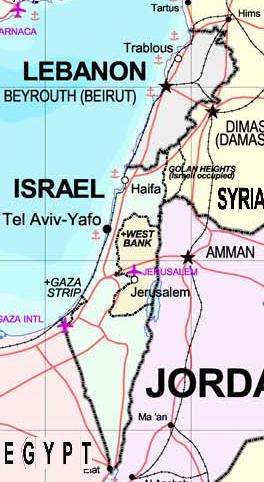
Israeli–Lebanese conflict
Conflict involving Israel and Lebanon-based paramilitary groups
The Israeli–Lebanese conflict, or the South Lebanon conflict, is a long-running conflict involving Israel, Lebanon-based paramilitary groups, and sometimes Syria. The conflict peaked during the Lebanese Civil War. In response to Palestinian attacks from Lebanon, Israel invaded the country in 1978 an...
Entity Intersection Graph
Connections for Israeli–Lebanese conflict:
View full profileMentioned Entities
Deep Analysis
Why It Matters
This news is critical because the convergence of Iranian offensive actions, attacks on Iranian soil, and the Israel-Hezbollah conflict significantly increases the risk of a wider regional war in the Middle East. It directly impacts global energy markets, as the targeting of the Lavan Island refinery threatens oil supply stability. Furthermore, the escalation raises serious doubts about the success of US foreign policy strategies aimed at containing Iranian influence and de-escalating hostilities, affecting the security of allies and US interests in the region.
Context & Background
- The 'maximum pressure' campaign was a central policy of the Trump administration, utilizing severe economic sanctions to force Iran to halt its nuclear program and regional proxy activities.
- Tensions between Iran and Israel have existed for decades, often playing out via proxy groups like Hezbollah in Lebanon rather than direct confrontation.
- Lavan Island is located in the Persian Gulf and hosts a significant oil refinery that is vital for Iran's economic stability and energy exports.
- The US has historically acted as a security broker in the Middle East, often attempting to mediate between Israel and its neighbors while countering Iranian influence.
- Recent months have seen a flare-up in cross-border hostilities, involving various non-state actors and militias backed by regional powers.
What Happens Next
Analysts expect a surge in US diplomatic efforts to prevent further escalation and reinstate de-escalation measures. Global oil markets are likely to react with volatility if damage to the Lavan Island refinery is confirmed to be severe. Military observers anticipate potential direct Israeli retaliation against Iranian targets or intensified operations against Hezbollah in Lebanon in response to the missile strikes.
Frequently Asked Questions
It refers to the foreign policy approach initiated by former President Trump, which relied on crippling economic sanctions to weaken Iran's economy and force it to change its behavior regarding its nuclear program and regional activities.
The refinery is a key component of Iran's energy infrastructure; damaging it impacts Iran's ability to export oil, which is crucial for its economy amidst existing sanctions.
The article states the attacker was unspecified, suggesting it could be a retaliatory strike by a state actor, a proxy group, or potentially an internal incident framed as external aggression.
The escalation adds pressure to the Israel-Hezbollah front, as Iranian strikes and Israeli operations in Lebanon create a multi-front conflict that makes de-escalation more difficult.