
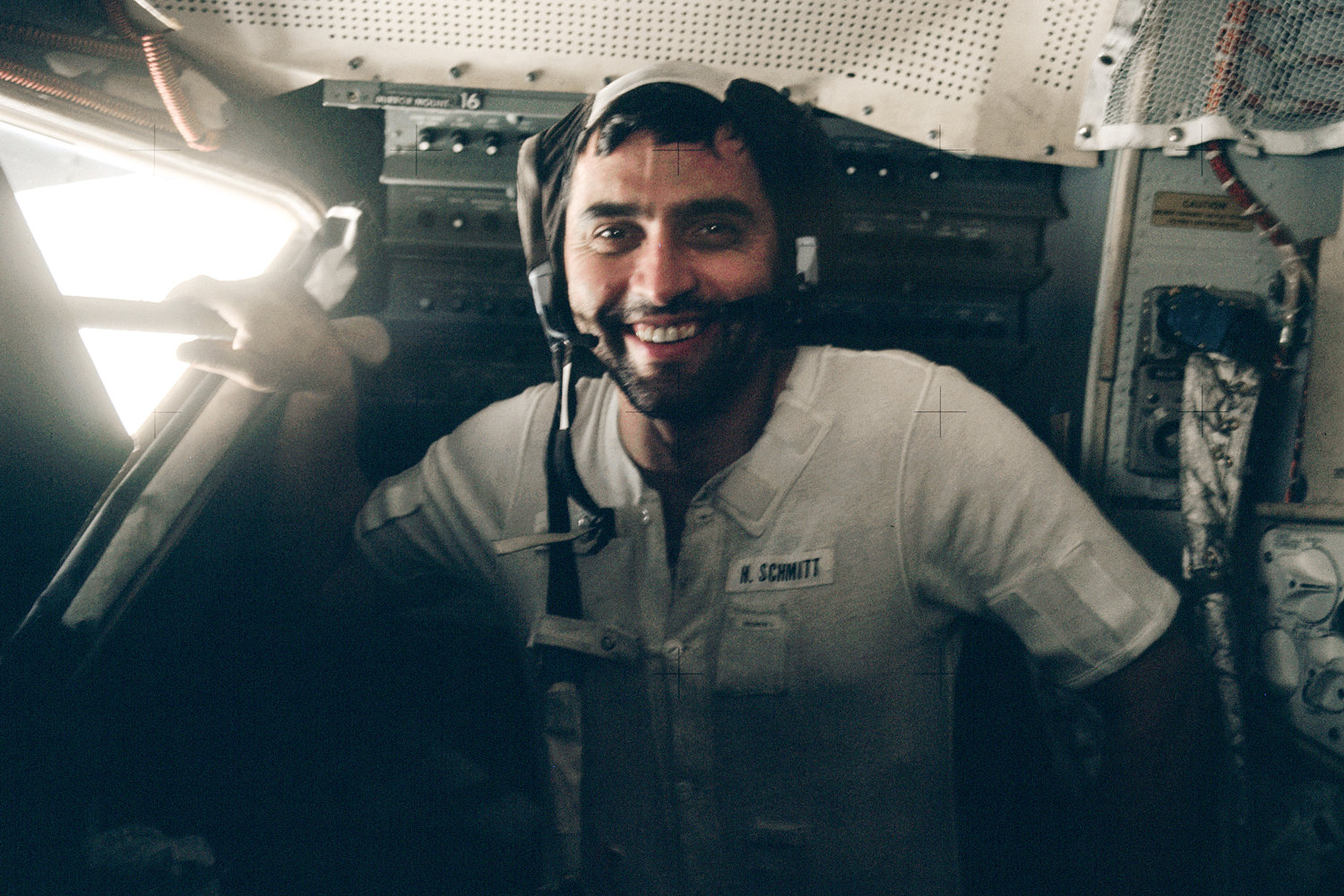
He walked on the moon in 1972. This is his advice for the Artemis II astronauts.
📖 Full Retelling
📚 Related People & Topics

Charles Duke
American astronaut and lunar explorer (born 1935)
Charles Moss Duke Jr. (born October 3, 1935) is an American former astronaut, United States Air Force (USAF) officer and test pilot who, as Lunar Module pilot of Apollo 16 in 1972, became the 10th and youngest person to walk on the Moon, at age 36 years and 201 days. Duke is one of four surviving Mo...

NASA
American space and aeronautics agency
The National Aeronautics and Space Administration (NASA ) is an independent agency of the U.S. federal government responsible for the United States' civil space program and for research in aeronautics and space exploration. Headquartered in Washington, D.C., NASA operates ten field centers across th...

Artemis II
Artemis program's second lunar flight
Artemis II is a planned lunar spaceflight mission under the Artemis program, led by NASA. It is intended to be the second flight of the Space Launch System (SLS), and the first crewed mission of the Orion spacecraft. It is the first crewed mission around the Moon, and beyond low Earth orbit, since A...
Entity Intersection Graph
No entity connections available yet for this article.
Mentioned Entities
Deep Analysis
Why It Matters
This news matters because it connects NASA's historic Apollo missions with its current Artemis program, offering invaluable wisdom from a moonwalker to the next generation of lunar explorers. It affects the Artemis II astronauts directly, providing them with practical and psychological guidance for their upcoming mission, as well as inspiring public interest in space exploration. The advice underscores the human element of space travel, emphasizing teamwork, preparation, and the profound experience of viewing Earth from space, which can enhance mission safety and success.
Context & Background
- Apollo 17 in 1972 was the last crewed mission to land on the moon, with astronaut Harrison H. Schmitt and Eugene Cernan as the last humans to walk on its surface.
- NASA's Artemis program aims to return humans to the moon, with Artemis II scheduled as the first crewed mission to orbit the moon since Apollo, targeting a launch in late 2025.
- The Artemis II crew includes four astronauts: Reid Wiseman, Victor Glover, Christina Koch, and Jeremy Hansen, marking the first lunar mission with a woman and a person of color.
What Happens Next
Following this advice-sharing, the Artemis II astronauts will continue intensive training, simulations, and preparations for their mission, leading up to the planned launch in late 2025. After Artemis II, NASA plans Artemis III for a crewed lunar landing, potentially in the late 2020s, advancing toward sustainable moon exploration and future Mars missions.
Frequently Asked Questions
The astronaut is likely from the Apollo 17 mission in 1972, such as Harrison H. Schmitt or Eugene Cernan, who were the last humans to walk on the moon, offering insights based on their firsthand lunar experience.
Artemis II aims to send four astronauts on a flyby mission to orbit the moon, testing systems like the Orion spacecraft and life support, without landing, to pave the way for future lunar surface missions.
Apollo astronauts provide practical tips on handling microgravity, teamwork, and the emotional impact of space travel, helping Artemis crews avoid pitfalls and enhance mission readiness based on proven experience.
Artemis focuses on sustainable exploration with international partnerships, advanced technology, and diverse crews, aiming for long-term lunar presence and future Mars missions, unlike Apollo's short-term landings.