

Hip-Hop Icons Tell Justices That Texas Turned Rap Lyrics Into a Death Warrant
#hip-hop #Supreme Court #death penalty #rap lyrics #Texas #fair trial #artistic evidence #capital case
📌 Key Takeaways
- Hip-hop artists argue Texas used rap lyrics as evidence in a capital case.
- The case involves a death penalty conviction influenced by artistic expression.
- Artists claim lyrics were misinterpreted, impacting the defendant's right to a fair trial.
- The Supreme Court is being urged to review the use of creative works in court.
📖 Full Retelling
🏷️ Themes
Legal Rights, Artistic Expression
📚 Related People & Topics

Execution warrant
Authorization to execute a condemned person
An execution warrant (also called a death warrant or a black warrant) is a writ that authorizes the execution of a condemned person.
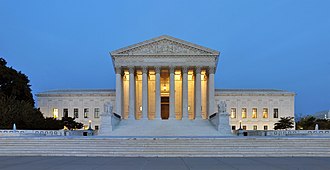
Supreme court
Highest court in a jurisdiction
In most legal jurisdictions, a supreme court, also known as a court of last resort, apex court, high (or final) court of appeal, and court of final appeal, is the highest court within the hierarchy of courts. Broadly speaking, the decisions of a supreme court are binding on all other courts in a nat...

Texas
U.S. state
# Texas **Texas** (/ˈtɛksəs/) is a state in the South Central region of the United States. It is the second-largest U.S. state by both land area and population. Known as the "Lone Star State," it possesses a diverse geography and a major maritime presence. ## Geography and Borders Texas is charact...
Entity Intersection Graph
No entity connections available yet for this article.
Mentioned Entities
Deep Analysis
Why It Matters
This case matters because it addresses fundamental First Amendment protections for artistic expression, particularly for marginalized communities whose creative works are often misinterpreted. It directly affects hip-hop artists who may face criminal prosecution based on fictional lyrics rather than actual evidence, potentially chilling free speech in the music industry. The outcome could set a dangerous precedent where prosecutors use artistic content as literal confessions, disproportionately impacting Black and Latino artists whose genres frequently explore themes of violence and struggle. This represents a critical intersection of racial justice, artistic freedom, and criminal justice reform.
Context & Background
- Rap lyrics have been used as evidence in criminal trials since at least the 1990s, with prosecutors arguing they demonstrate criminal intent or knowledge
- Texas has particularly aggressive laws allowing 'character evidence' that can include artistic expression to establish criminal propensity
- The 'artistic expression' defense has had mixed success in courts, with some states like California and New York passing laws limiting the use of creative works as evidence
- Hip-hop has historically faced legal and cultural scrutiny, with the genre often stereotyped as promoting violence despite its complex social commentary
- This case follows similar controversies where artists like Drakeo the Ruler and Tay-K faced legal consequences partially based on their lyrics
- The Supreme Court has previously protected controversial artistic expression under the First Amendment, but rarely in criminal trial contexts
What Happens Next
The Supreme Court will likely decide whether to hear the case in their next term, with a decision expected by late 2024 or early 2025 if they take it. If accepted, oral arguments would occur in late 2024, potentially leading to a landmark ruling on artistic expression in 2025. Meanwhile, state legislatures may consider bills limiting the use of creative works as evidence, similar to laws already passed in California, New York, and Louisiana. The music industry will likely continue advocacy efforts through organizations like the Black Music Action Coalition and Recording Academy.
Frequently Asked Questions
Prosecutors often argue that rap lyrics provide unique insight into a defendant's mindset or experiences, but critics note this disproportionately targets Black artists and ignores the genre's tradition of storytelling, metaphor, and fictional narratives that differ from autobiographical confession.
The case raises First Amendment free speech concerns about punishing artistic expression, Fourteenth Amendment equal protection issues regarding racial discrimination in prosecution, and Sixth Amendment fair trial questions about prejudicial evidence that may inflame jurors without proving actual crimes.
Courts have been divided, with some allowing lyrics as evidence of intent or knowledge, while others have excluded them as prejudicial. Recent state laws in California, New York, and Louisiana now restrict using creative expression as evidence without clear connection to actual crimes.
While the article doesn't specify names, similar cases have involved artists like Killer Mike, Meek Mill, and 21 Savage as advocates, with organizations like the Recording Academy and Black Music Action Coalition filing amicus briefs supporting artistic freedom protections.
If the Supreme Court declines to hear it, the Texas ruling would stand, potentially encouraging more prosecutors to use lyrics as evidence in that state while leaving a patchwork of different standards across the country until another case reaches the Court.