
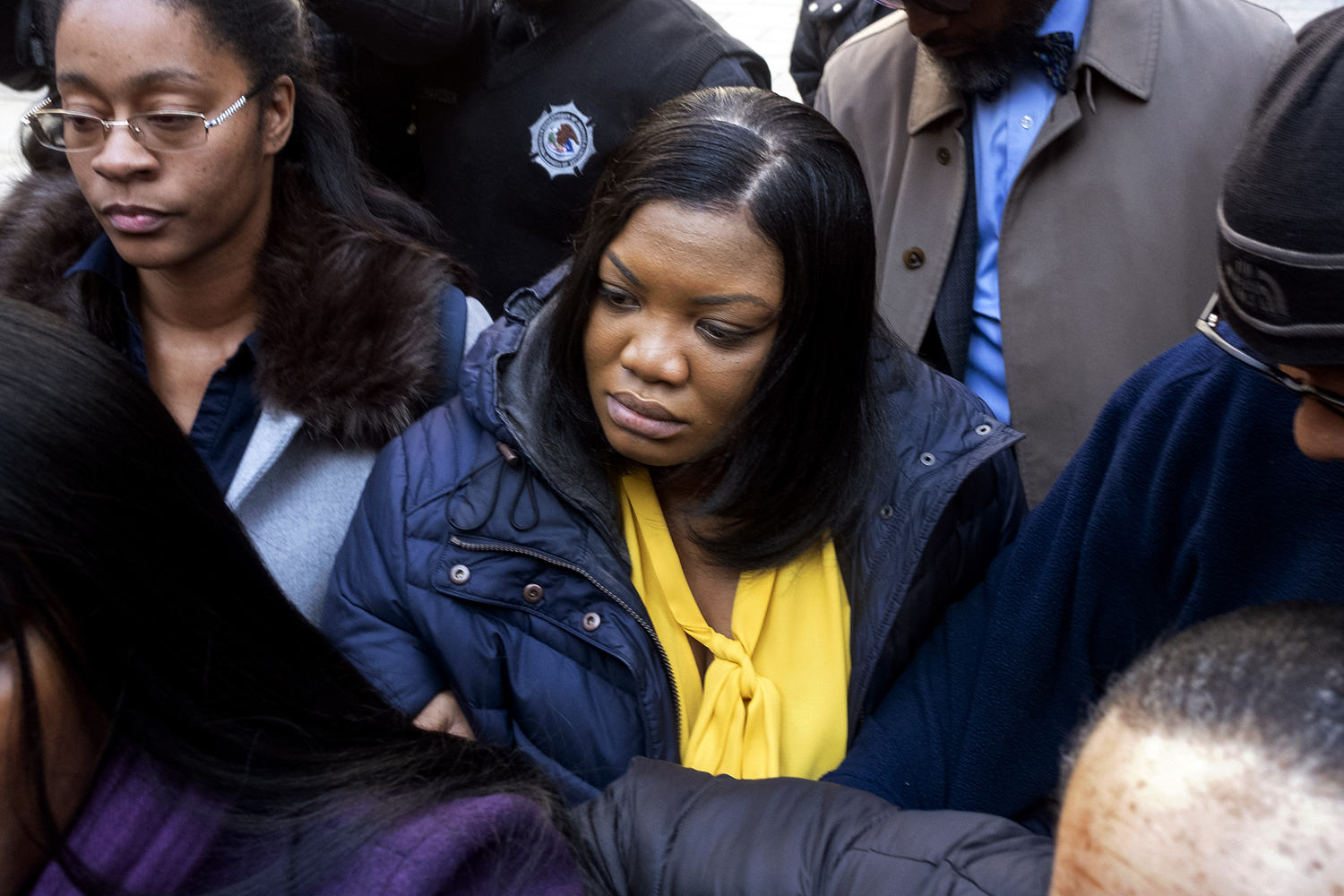
House committee seeks testimony from prison guard on duty when Jeffrey Epstein died
#Jeffrey Epstein #House committee #prison guard #testimony #death in custody #investigation #accountability
📌 Key Takeaways
- House committee requests testimony from prison guard present during Jeffrey Epstein's death.
- Investigation focuses on circumstances surrounding Epstein's death in custody.
- Guard's account may provide insights into prison protocols and potential lapses.
- Inquiry part of broader scrutiny into Epstein case and institutional accountability.
📖 Full Retelling
🏷️ Themes
Government Investigation, Prison Oversight
📚 Related People & Topics

Jeffrey Epstein
American financier and child sex offender (1953–2019)
# Jeffrey Edward Epstein **Jeffrey Edward Epstein** (January 20, 1953 – August 10, 2019) was an American financier and convicted sex offender. He is notorious for orchestrating a massive human trafficking ring, procuring at least 1,000 underage girls and young women for sexual exploitation by himse...
House Committee
Topics referred to by the same term
A house committee is a type of committee existing in several legislatures.
Entity Intersection Graph
Connections for Jeffrey Epstein:
Mentioned Entities
Deep Analysis
Why It Matters
This development matters because it represents a renewed congressional effort to uncover the truth about Jeffrey Epstein's 2019 death, which has been shrouded in conspiracy theories and official skepticism. It directly affects the families of Epstein's victims seeking closure, the Department of Justice facing ongoing scrutiny over prison security failures, and public confidence in federal institutions. The testimony could either validate official conclusions about suicide or reveal new evidence supporting alternative theories about Epstein's demise.
Context & Background
- Jeffrey Epstein died in August 2019 while awaiting trial on federal sex trafficking charges involving dozens of underage girls
- Epstein was held at the Metropolitan Correctional Center in New York, a federally-run facility with a history of security issues
- The official autopsy ruled Epstein's death a suicide by hanging, but this conclusion has been challenged by forensic experts and Epstein's brother
- Two prison guards assigned to monitor Epstein pleaded guilty to falsifying records about their checks on him the night he died
- The Justice Department's inspector general found multiple security failures but concluded no evidence of foul play in Epstein's death
What Happens Next
The prison guard will likely be subpoenaed to testify before the House committee within the next 30-60 days, potentially leading to public hearings. Depending on testimony, the committee may recommend further investigations or legislative changes to federal prison oversight. The findings could influence ongoing civil litigation involving Epstein's estate and victims, with possible developments expected by late 2024.
Frequently Asked Questions
Congress continues investigating because of persistent questions about security failures at a federal facility and widespread public skepticism about official conclusions. Multiple committees view this as part of broader oversight of the Justice Department and federal prison system operations.
The guard could provide firsthand details about prison conditions, monitoring procedures, and potential security lapses that night. Testimony might either corroborate official accounts or reveal previously undisclosed information about Epstein's final hours.
While focused on Epstein's death, the investigation could uncover information about prison communications or visitor logs that might relate to his network. However, the primary focus remains on the circumstances of his death rather than his criminal activities.
Possible outcomes include legislative reforms to federal prison monitoring protocols, increased funding for detention facility oversight, or renewed calls for independent review of high-profile inmate deaths. The investigation could also lead to disciplinary actions against additional prison staff.
Theories persist due to Epstein's connections to powerful figures, the timing before his trial, documented security failures, and inconsistencies in official accounts. His death prevented a public trial that might have revealed his network's full extent.