
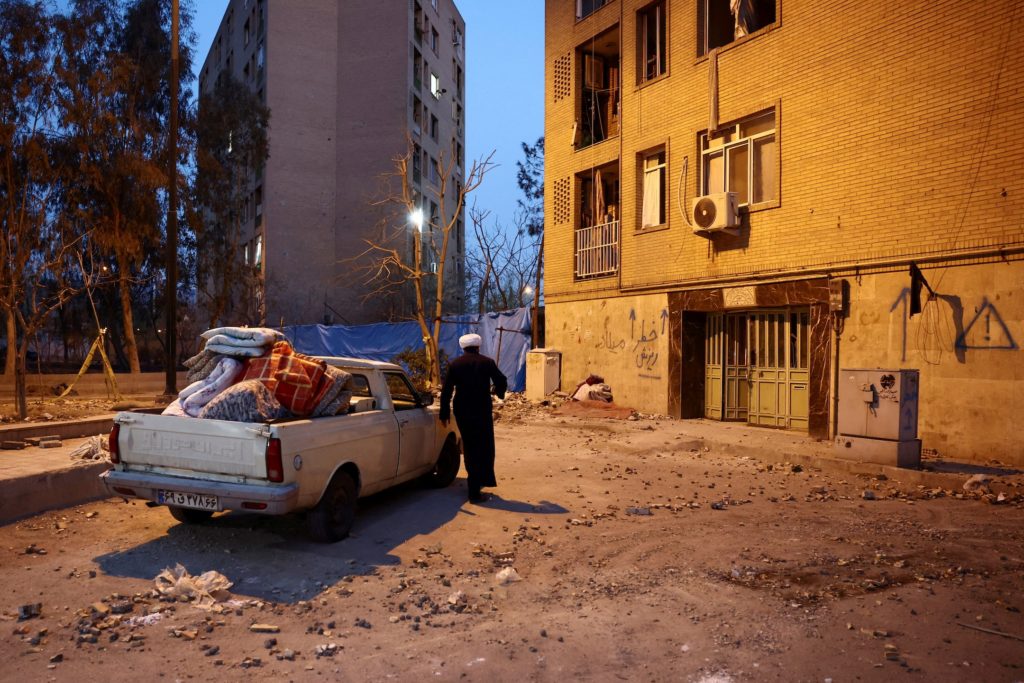
How Iranians are navigating daily life as war drags on
#Iran #war #daily life #economic strain #inflation #community support #psychological stress
📌 Key Takeaways
- Iranians face daily challenges due to ongoing war impacts
- Economic strain and inflation affect basic necessities
- Social and psychological stress is widespread among the population
- Adaptation strategies include community support and informal economies
📖 Full Retelling
🏷️ Themes
War Impact, Daily Life
📚 Related People & Topics

Iran
Country in West Asia
# Iran **Iran**, officially the **Islamic Republic of Iran** and historically known as **Persia**, is a sovereign country situated in West Asia. It is a major regional power, ranking as the 17th-largest country in the world by both land area and population. Combining a rich historical legacy with a...
Entity Intersection Graph
Connections for Iran:
Mentioned Entities
Deep Analysis
Why It Matters
This article matters because it reveals how ordinary Iranian citizens are coping with the economic and social pressures of prolonged conflict, which affects their daily survival and quality of life. It highlights the resilience and adaptation strategies of civilians facing shortages, inflation, and psychological stress. The situation impacts regional stability and humanitarian conditions, potentially influencing migration patterns and international aid responses.
Context & Background
- Iran has faced various economic sanctions and regional conflicts for decades, affecting its economy and population.
- The country has been involved in proxy wars and regional tensions, particularly in the Middle East, which strain resources.
- Previous conflicts, such as the Iran-Iraq War (1980-1988), have shaped national resilience and coping mechanisms among Iranians.
- Domestic policies and international relations have often prioritized military and strategic interests over civilian welfare.
- Iran's population of over 85 million faces challenges like unemployment and inflation, exacerbated by external pressures.
What Happens Next
In the short term, Iranians may see increased government measures to stabilize essential goods and services, but long-term effects could include heightened social unrest or policy shifts. International organizations might ramp up humanitarian aid if conditions worsen, and regional diplomacy could be influenced by domestic stability concerns. Monitoring upcoming economic reports and civil society movements will provide insights into future developments.
Frequently Asked Questions
Iranians are employing strategies like rationing, seeking informal employment, and relying on community support networks to manage shortages and high prices. Many have turned to local markets and bartering systems to access necessities, while digital platforms help coordinate resource sharing.
The war disrupts daily life through inflation, limited access to healthcare and education, and increased psychological stress. Families often prioritize basic needs like food and shelter, with leisure and long-term planning taking a backseat to survival.
Some international aid groups provide humanitarian assistance, but sanctions and political tensions often limit large-scale support. Local NGOs and regional partners play a key role in delivering aid, though coverage may be uneven across different areas.
The government may implement austerity measures or security-focused policies to maintain control, potentially leading to reforms or crackdowns. Public dissatisfaction could drive policy adjustments, especially if economic conditions deteriorate further.