

How the G.O.P. and Democrats Are Talking About the Surge in Gas Prices
#gas prices #GOP #Democrats #inflation #energy policy #midterm elections #Biden administration
📌 Key Takeaways
- Republicans blame President Biden's energy policies for rising gas prices.
- Democrats attribute the surge to global market forces and corporate profiteering.
- Both parties use the issue to rally their bases ahead of midterm elections.
- The debate highlights partisan divides over energy independence and inflation.
📖 Full Retelling
🏷️ Themes
Political rhetoric, Energy policy
📚 Related People & Topics

Gasoline and diesel usage and pricing
The usage and pricing of gasoline (or petrol) results from factors such as crude oil prices, processing and distribution costs, local demand, the strength of local currencies, local taxation or subsidy, and the availability of local sources of gasoline (supply). Since fuels are traded worldwide, th...
Republican Party (United States)
American political party
The Republican Party, commonly known as the Grand Old Party (GOP), is the major conservative and right-wing political party in the United States. It emerged as the main rival of the Democratic Party in the 1850s, and the two parties have dominated American politics since then. The Republican Party w...
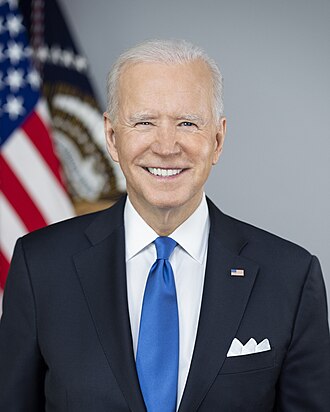
Presidency of Joe Biden
2021–2025 U.S. presidential administration
Joe Biden's tenure as the 46th president of the United States began with his inauguration on January 20, 2021, and ended on January 20, 2025. Biden, member of the Democratic Party, had previously served as the 47th vice president from 2009 to 2017 under President Barack Obama, took office after defe...
Entity Intersection Graph
Connections for Democrat:
Mentioned Entities
Deep Analysis
Why It Matters
The surge in gas prices directly impacts household budgets and inflation rates, affecting nearly all Americans through increased transportation and goods costs. This issue has become a major political battlegstone as both parties attempt to frame the narrative ahead of midterm elections. The debate over energy policy reflects deeper ideological divides about climate change, domestic production, and economic priorities that will shape future legislation.
Context & Background
- Gas prices reached record highs in 2022, with national averages exceeding $5 per gallon in June 2022
- The U.S. became a net petroleum exporter in 2020 for the first time since 1949, changing energy independence dynamics
- Strategic Petroleum Reserve releases have been used by multiple administrations to address price spikes, including 2021-2022 releases totaling 180 million barrels
- Gasoline prices are influenced by global crude oil markets, refinery capacity, seasonal demand changes, and geopolitical events like the Russia-Ukraine conflict
- The Biden administration paused new federal oil and gas leasing shortly after taking office, though later resumed sales under court order
What Happens Next
Congressional hearings on energy prices are likely in coming weeks, with oil executives potentially testifying. The administration may consider additional Strategic Petroleum Reserve releases if prices continue rising. Both parties will incorporate gas price messaging into campaign ads ahead of November midterms, with potential legislative proposals for gas tax holidays or energy subsidies.
Frequently Asked Questions
Multiple factors contribute including increased post-pandemic demand, reduced refinery capacity, global market volatility due to the Russia-Ukraine conflict, and seasonal transitions to summer fuel blends. These combine to create supply constraints while demand remains strong.
Republicans generally emphasize increasing domestic fossil fuel production through expanded drilling and streamlined permitting. Democrats typically focus on transitioning to renewable energy while addressing price spikes through strategic reserves and potential consumer relief measures.
Presidents have limited direct control over gasoline prices, which are primarily set by global markets. However, policies affecting domestic production, fuel standards, and emergency reserves can influence prices at the margins over time.
Options include temporary gas tax suspensions at federal or state levels, direct rebate payments to consumers, increased releases from strategic petroleum reserves, or subsidies for public transportation to reduce driving demand.
Gasoline prices directly contribute to transportation and shipping costs, which ripple through the economy to increase prices for goods and services. Higher fuel costs also reduce disposable income, potentially slowing consumer spending in other sectors.