
How Trump and Netanyahu launched attacks on Iran
#Trump #Netanyahu #Iran #military strikes #Middle East #nuclear program #proxy forces
📌 Key Takeaways
- Trump and Netanyahu coordinated military strikes against Iranian targets.
- The attacks targeted Iranian military facilities and proxy forces.
- The operation aimed to counter Iran's regional influence and nuclear ambitions.
- The actions escalated tensions in the Middle East, risking broader conflict.
📖 Full Retelling
🏷️ Themes
Geopolitics, Military Conflict
📚 Related People & Topics

Iran
Country in West Asia
# Iran **Iran**, officially the **Islamic Republic of Iran** and historically known as **Persia**, is a sovereign country situated in West Asia. It is a major regional power, ranking as the 17th-largest country in the world by both land area and population. Combining a rich historical legacy with a...

Middle East
Transcontinental geopolitical region
The Middle East is a geopolitical region encompassing the Arabian Peninsula, Egypt, Iran, Iraq, the Levant, and Turkey. The term came into widespread usage by Western European nations in the early 20th century as a replacement of the term Near East (both were in contrast to the Far East). The term ...
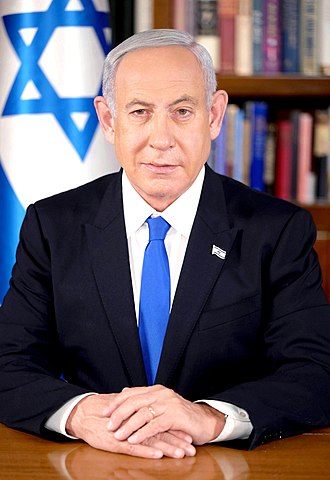
Benjamin Netanyahu
Prime Minister of Israel (1996–1999; 2009–2021; since 2022)
Benjamin "Bibi" Netanyahu (born 21 October 1949) is an Israeli politician and diplomat who has served as Prime Minister of Israel since 2022. Having previously held office from 1996 to 1999 and from 2009 to 2021, Netanyahu is Israel's longest-serving prime minister. Born in Tel Aviv, Netanyahu was r...

Donald Trump
President of the United States (2017–2021; since 2025)
Donald John Trump (born June 14, 1946) is an American politician, media personality, and businessman who is the 47th president of the United States. A member of the Republican Party, he served as the 45th president from 2017 to 2021. Born into a wealthy New York City family, Trump graduated from the...
Entity Intersection Graph
Connections for Iran:
Mentioned Entities
Deep Analysis
Why It Matters
This news highlights the coordinated military actions between the U.S. and Israel against Iran, which significantly escalates regional tensions and risks broader Middle East conflict. It affects international security, global oil markets, and diplomatic relations worldwide. The actions could trigger retaliatory measures from Iran and its proxies, potentially drawing other regional powers into the confrontation.
Context & Background
- The U.S. and Iran have had hostile relations since the 1979 Iranian Revolution and subsequent hostage crisis.
- Israel has long viewed Iran's nuclear program and regional influence as existential threats to its security.
- The Trump administration withdrew from the Iran nuclear deal (JCPOA) in 2018 and implemented maximum pressure sanctions.
- Iran has supported proxy groups like Hezbollah and Hamas that oppose both Israeli and U.S. interests in the region.
- Previous covert operations and targeted killings have occurred between these parties, including the 2020 assassination of Iranian General Qasem Soleimani.
What Happens Next
Iran will likely respond through asymmetric warfare via regional proxies or cyber attacks against U.S. and Israeli interests. The UN Security Council may convene emergency sessions while European powers attempt diplomatic de-escalation. Additional sanctions against Iran could be announced within weeks, and regional military posturing will increase along Israel's northern border with Lebanon.
Frequently Asked Questions
The attacks likely targeted Iranian military facilities, nuclear infrastructure, or proxy group assets, though exact details remain classified. Such operations typically aim to degrade Iran's capabilities without triggering full-scale war.
These attacks effectively collapse any remaining prospects for nuclear diplomacy in the near term. Iran will likely accelerate its nuclear program in response, making future negotiations significantly more difficult.
Gulf Arab states will publicly express concern while privately welcoming pressure on Iran. Syria and Lebanon's Hezbollah will condemn the attacks and potentially retaliate, while Russia and China will criticize the actions at the UN.
Oil prices will spike due to fears of supply disruptions from the Strait of Hormuz, through which 20% of global oil passes. Energy markets will remain volatile until the security situation clarifies.
The U.S. likely cites self-defense against imminent threats, while Israel references preventive self-defense against Iran's nuclear program. Both positions face significant international legal scrutiny.