
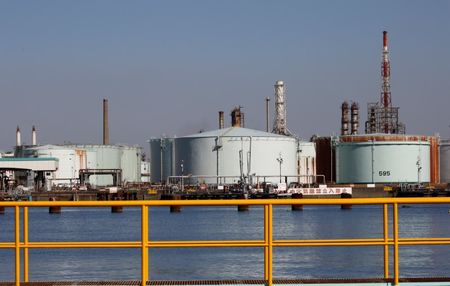
IEA says 411.9 million barrels of oil from emergency reserves to be released
#IEA #oil reserves #emergency release #global markets #supply disruption #strategic reserves #energy policy
📌 Key Takeaways
- The International Energy Agency (IEA) announced the release of 411.9 million barrels of oil from emergency reserves.
- This action aims to stabilize global oil markets amid supply disruptions.
- The release is part of a coordinated effort among IEA member countries.
- It represents one of the largest strategic reserve releases in history.
🏷️ Themes
Energy Security, Market Stabilization
📚 Related People & Topics
Entity Intersection Graph
Connections for IEA:
Mentioned Entities
Deep Analysis
Why It Matters
This coordinated release of emergency oil reserves represents one of the largest strategic petroleum reserve actions in history, directly impacting global energy markets and consumer fuel prices. It affects drivers worldwide through potential gasoline price reductions, oil-producing nations through market supply changes, and governments managing inflation and energy security. The move signals international cooperation to address energy supply disruptions, particularly important for European nations seeking alternatives to Russian oil and for developing economies vulnerable to high energy costs.
Context & Background
- The International Energy Agency (IEA) coordinates strategic petroleum reserves among 31 member countries, established after the 1973-74 oil crisis to address supply disruptions
- This release follows the largest-ever coordinated reserve release of 62.7 million barrels announced in March 2022 after Russia's invasion of Ukraine
- Global oil prices had reached nearly $140 per barrel in March 2022, the highest since 2008, before declining to around $100-110 range
- The United States holds the world's largest strategic petroleum reserve with capacity for over 700 million barrels
- Previous major coordinated releases occurred during the Gulf War (1991), Hurricane Katrina (2005), and Libyan civil war (2011)
What Happens Next
Oil markets will immediately react to the additional supply, potentially lowering benchmark prices by $10-15 per barrel in coming weeks. Member countries will begin physical withdrawals from storage sites within days, with the full volume reaching markets over approximately 30-60 days. The IEA will monitor market impacts and consider additional measures if needed, while OPEC+ may adjust its production plans in response at their next scheduled meeting in early May.
Frequently Asked Questions
The release aims to stabilize global oil markets disrupted by Russia's invasion of Ukraine and subsequent sanctions, which have removed approximately 3 million barrels per day from expected supply. This action seeks to prevent severe price spikes that could trigger global recession and ease pressure on consumers facing record fuel costs.
The 411.9 million barrels represent about 4.5 days of global oil consumption. However, its market impact extends beyond simple volume replacement by signaling strong international commitment to price stability and potentially deterring further price speculation. The release will be phased over approximately two months to avoid market disruption.
Yes, but with limitations. Retail gasoline prices typically reflect crude oil costs with a 2-3 week lag, so consumers should see gradual relief at pumps. However, local taxes, refining capacity, and distribution factors mean price reductions won't be uniform globally, with some regions benefiting more than others depending on their supply chains.
Member countries must eventually replenish their reserves, likely beginning later in 2022 when market conditions stabilize. Refilling may occur gradually to avoid driving prices back up, with some nations potentially using price thresholds or time-based approaches. The IEA requires members to maintain minimum reserve levels equivalent to 90 days of net imports.
At 411.9 million barrels, this is approximately 6.5 times larger than the March 2022 release and represents the largest coordinated action in IEA's 48-year history. The volume equals about two-thirds of what Russia typically exports monthly, making it a substantial market intervention rather than just a symbolic gesture.
Potentially yes. Some analysts worry that releasing reserves might reduce incentives for oil companies to increase production or for OPEC+ to accelerate output hikes. However, the IEA views this as a temporary bridge until longer-term supply increases come online, with the understanding that reserves exist specifically for such emergency situations.