Gorsuch accused colleagues of inconsistent application of major questions doctrine between Trump and Biden
Court ruled 6-3 against most Trump's tariffs, requiring congressional approval
Conservative justices split on application of the doctrine
Liberal justices who previously criticized the doctrine did not embrace it in this case
The ruling shows significant internal dissension on the Supreme Court
📖 Full Retelling
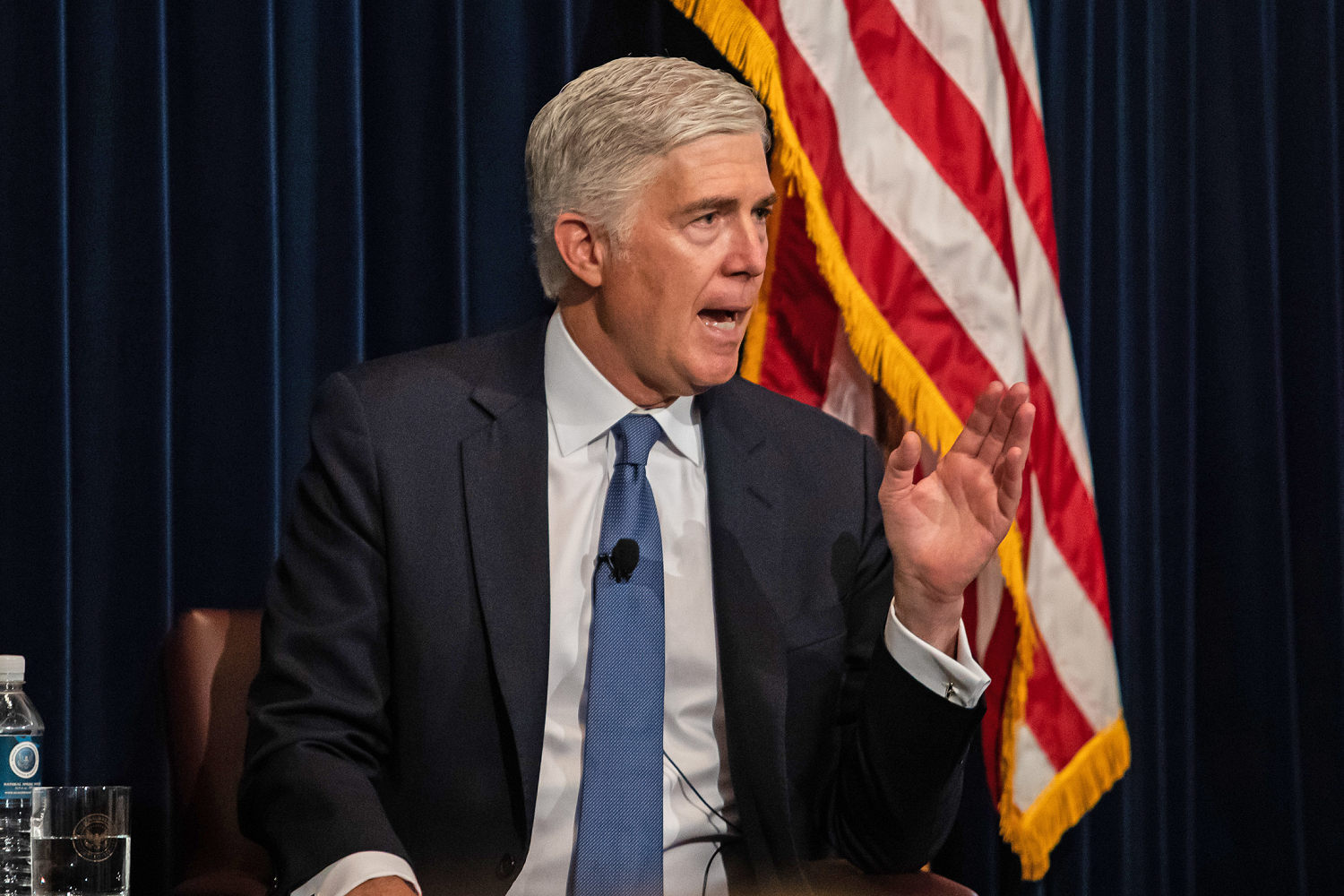
Conservative Supreme Court Justice Neil Gorsuch sharply criticized his colleagues in Washington on Friday, February 21, 2026, for what he perceived as inconsistent application of the 'major questions doctrine' when reviewing broad assertions of presidential power by Donald Trump and Joe Biden, despite being part of the 6-3 majority that struck down most of Trump's tariffs. Gorsuch, appointed by Trump himself, wrote a separate 46-page opinion that chided several justices for applying the same precedent differently under each administration, noting 'it is an interesting turn of events.' The case centered on whether Trump's tariffs needed explicit congressional authorization, with the conservative-majority court embracing a doctrine that bars sweeping presidential action not specifically authorized by Congress—a theory they previously applied to strike down Biden's student loan forgiveness plan. The ruling revealed significant internal dissension on the court, as three conservative justices—Clarence Thomas, Brett Kavanaugh, and Samuel Alito—dissented, while even some justices who agreed with the outcome refused to endorse the reasoning in Chief Justice John Roberts' opinion. The liberal justices, who had previously criticized the major questions doctrine, again declined to embrace it, with Justice Elena Kagan explicitly stating in a footnote that she was not a convert to Gorsuch's apparent desire for new adherents to the theory.
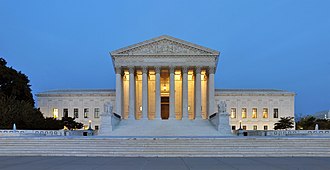
In most legal jurisdictions, a supreme court, also known as a court of last resort, apex court, high (or final) court of appeal, and court of final appeal, is the highest court within the hierarchy of courts. Broadly speaking, the decisions of a supreme court are binding on all other courts in a nat...
Neil McGill Gorsuch ( GOR-sutch; born August 29, 1967) is an American jurist who serves as an associate justice of the Supreme Court of the United States. He was nominated by President Donald Trump on January 31, 2017, and has served since April 10, 2017.
Gorsuch spent his early life in Denver, Col...
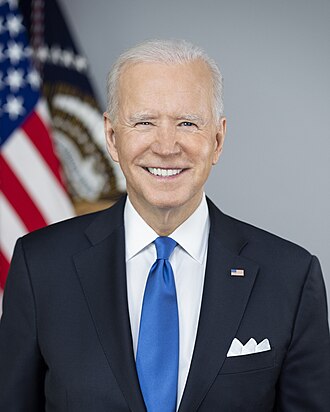
Joseph Robinette Biden Jr. (born November 20, 1942) is an American politician who was the 46th president of the United States from 2021 to 2025. A member of the Democratic Party, he represented Delaware in the United States Senate from 1973 to 2009 and also served as the 47th vice president under Pr...
The major questions doctrine is a principle of statutory interpretation in United States administrative law under which, pursuant to recent Supreme Court precedent, courts have held that questions of major political or economic significance may not be delegated by Congress to executive agencies abse...
The Supreme Court’s disagreement over applying the major questions doctrine to Trump and Biden highlights deep ideological divides and signals how executive power may be checked in future cases.
Context & Background
Justice Gorsuch publicly criticized colleagues for inconsistent use of the major questions doctrine
The 6-3 majority struck down most of Trump’s tariffs
Justices on both sides of the ideological spectrum questioned the doctrine’s application
What Happens Next
The Court may further refine the major questions doctrine in upcoming cases involving executive actions, potentially affecting how Biden’s policies are reviewed
Frequently Asked Questions
What is the major questions doctrine?
It limits executive power when Congress has not explicitly authorized an action
Why did Justice Gorsuch criticize his colleagues?
He argued they applied the doctrine inconsistently to Trump and Biden
What was the outcome of the tariff case?
The majority struck down most of Trump’s tariffs, but dissenting justices disagreed
How might this affect future cases?
It could influence how the Court evaluates executive actions under the doctrine in future disputes
}
Original Source
In tariff case, Supreme Court justices bicker over treating Trump and Biden differently Justice Neil Gorsuch, who was appointed by President Donald Trump, was unusually direct in suggesting some of his colleagues were treating presidents of opposing parties differently. Supreme Court Justice Neil Gorsuch suggested his colleagues were taking different approaches to Trump and Biden. Apu Gomes / Getty Images file Share Add NBC News to Google Feb. 21, 2026, 5:00 AM EST By Lawrence Hurley Listen to this article with a free account 00:00 00:00 WASHINGTON — Conservative Justice Neil Gorsuch pulled no punches in taking aim at his colleagues on the Supreme Court for a lack of consistency in approaching broad assertions of presidential power made by Joe Biden and Donald Trump. Gorsuch was part of the 6-3 majority that struck down most of Trump’s tariffs on Friday, but he wrote a separate 46-page opinion that chided several of his fellow justices over how they approached the case. His colleagues were effectively applying the same Supreme Court precedent differently under Trump than they did under Biden, he argued, writing: “It is an interesting turn of events.” His invective focused on a theory known as the “major questions doctrine,” which adherents say bars sweeping presidential action not specifically authorized by Congress. The conservative-majority court embraced the doctrine while Biden was in office to strike down broad plans, such as his effort to forgive student loan debt . Add NBC News to Google Trump ‘absolutely fuming’ after Supreme Court ruling striking down tariffs 21:18 But in ruling against Trump on tariffs Friday, the conservative majority splintered. Gorsuch, Justice Amy Coney Barrett and Chief Justice John Roberts were in the majority, finding in part that Trump’s tariffs needed to go through Congress. Three others, Justices Clarence Thomas, Brett Kavanaugh and Samuel Alito, dissented. “It shows you how much internal dissension there is on the Supreme Court ...