
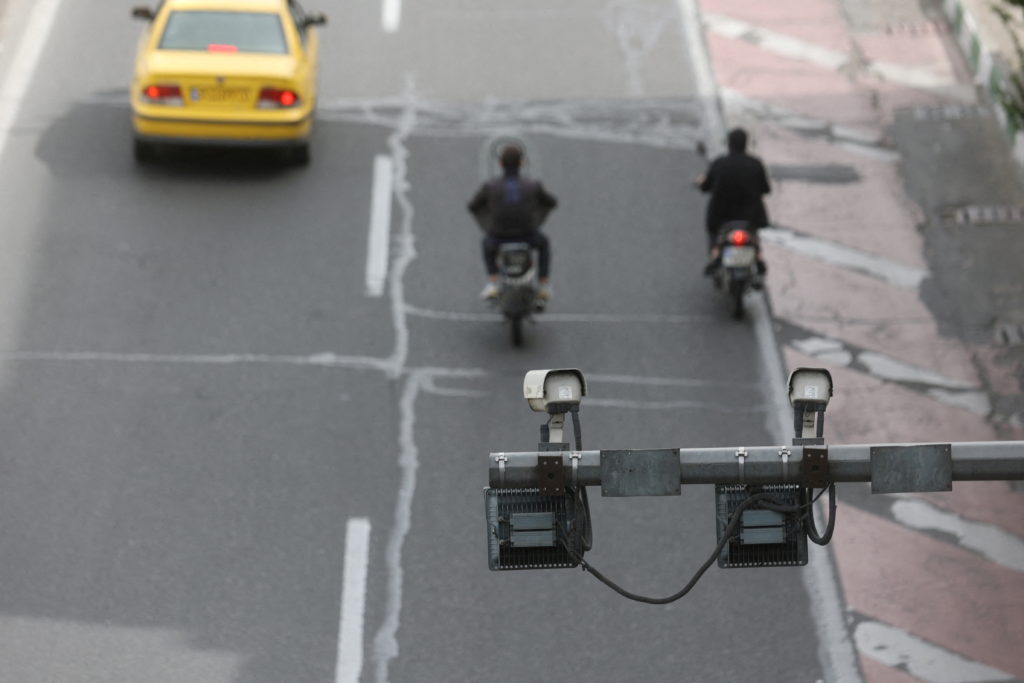
Iran built a vast camera network to control dissent. Israel used it to track targets, AP sources say
#Iran #Israel #surveillance network #dissent #AP #intelligence #security breach #targets
📌 Key Takeaways
- Iran developed a widespread surveillance camera network to monitor and suppress internal dissent.
- Israel reportedly accessed and utilized this network to track and identify targets within Iran.
- The information comes from sources cited by the Associated Press (AP).
- The incident highlights a significant security breach and intelligence failure for Iran.
📖 Full Retelling
🏷️ Themes
Surveillance, Espionage
📚 Related People & Topics

Iran
Country in West Asia
# Iran **Iran**, officially the **Islamic Republic of Iran** and historically known as **Persia**, is a sovereign country situated in West Asia. It is a major regional power, ranking as the 17th-largest country in the world by both land area and population. Combining a rich historical legacy with a...

Israel
Country in West Asia
Israel, officially the State of Israel, is a country in the Southern Levant region of West Asia. It is bordered by Lebanon to the north, Syria to the northeast, Jordan to the east, and Egypt to the southwest. Israel occupies the West Bank and the Gaza Strip of the Palestinian territories, as well as...
Entity Intersection Graph
Connections for Iran:
Mentioned Entities
Deep Analysis
Why It Matters
This revelation exposes how surveillance technologies built for domestic control can be exploited by foreign adversaries, creating significant national security vulnerabilities. It affects Iranian citizens whose privacy is compromised by both their own government and external intelligence agencies, while also impacting regional security dynamics between Iran and Israel. The incident demonstrates the dual-use nature of surveillance infrastructure and raises urgent questions about cybersecurity protections for critical national systems.
Context & Background
- Iran has developed extensive domestic surveillance capabilities over the past decade, particularly following the 2009 Green Movement protests
- Israel and Iran have been engaged in a long-running shadow war involving cyber operations, assassinations, and sabotage across the Middle East
- The Islamic Republic has previously faced criticism for using facial recognition technology and internet monitoring to suppress political dissent
- Iran's camera network was reportedly expanded after nationwide protests in 2022 following Mahsa Amini's death in morality police custody
What Happens Next
Iran will likely conduct internal investigations to identify security breaches and may restrict access to its surveillance systems. Expect increased cybersecurity measures and possible retaliatory actions against Israeli interests. The incident may lead to international discussions about regulating surveillance technology exports and could influence how authoritarian governments design future monitoring systems.
Frequently Asked Questions
According to AP sources, Israeli intelligence likely exploited security vulnerabilities or used insider access to penetrate Iran's camera network, though specific technical methods remain classified. This suggests either cybersecurity weaknesses or potential human intelligence sources within Iran's security apparatus.
While specific targets aren't detailed, Israel likely monitored individuals involved in Iran's nuclear program, military operations, and regional proxy networks. The surveillance probably focused on tracking movements and patterns of high-value targets for potential intelligence operations.
Iranian citizens face increased privacy risks as their movements may be monitored by both domestic authorities and foreign intelligence. This could lead to more cautious behavior in public spaces and potentially reduced participation in protests or political activities due to dual surveillance threats.
This incident demonstrates how domestic surveillance infrastructure can become geopolitical vulnerabilities, potentially encouraging more cyber attacks against national monitoring systems. It may accelerate an arms race in surveillance countermeasures and increase tensions between states developing such technologies.
Yes, any nation with extensive camera networks could potentially face similar vulnerabilities if proper cybersecurity measures aren't implemented. The incident serves as a warning about the risks of centralized surveillance systems that could be compromised by sophisticated state actors.