
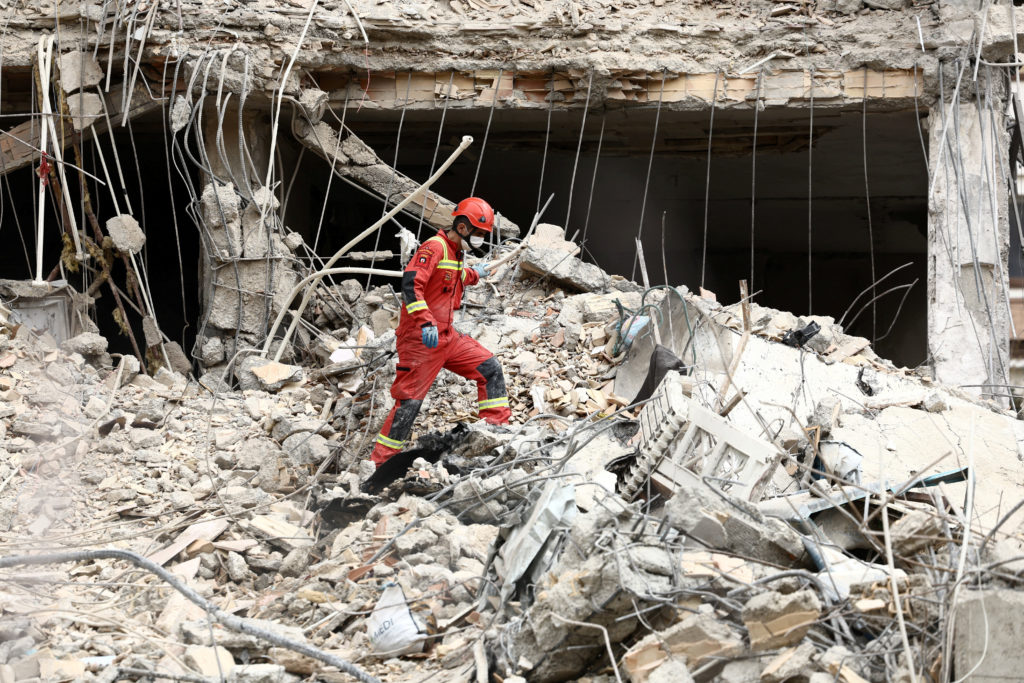
Iran dismisses U.S. ceasefire plan, issues counterproposal as strikes land across the Mideast
#Iran #U.S. #ceasefire #counterproposal #Middle East #strikes #tensions
📌 Key Takeaways
- Iran rejects the U.S. ceasefire proposal for the region.
- Iran presents its own counterproposal amid ongoing tensions.
- Military strikes continue to occur across the Middle East.
- The situation highlights escalating geopolitical conflict in the area.
📖 Full Retelling
🏷️ Themes
Geopolitics, Military Conflict
📚 Related People & Topics

Iran
Country in West Asia
# Iran **Iran**, officially the **Islamic Republic of Iran** and historically known as **Persia**, is a sovereign country situated in West Asia. It is a major regional power, ranking as the 17th-largest country in the world by both land area and population. Combining a rich historical legacy with a...

Middle East
Transcontinental geopolitical region
The Middle East is a geopolitical region encompassing the Arabian Peninsula, Egypt, Iran, Iraq, the Levant, and Turkey. The term came into widespread usage by Western European nations in the early 20th century as a replacement of the term Near East (both were in contrast to the Far East). The term ...
Entity Intersection Graph
Connections for Iran:
Mentioned Entities
Deep Analysis
Why It Matters
This development matters because it represents a critical diplomatic impasse in Middle East conflict resolution, directly affecting regional stability and global security. Iran's rejection of the U.S. ceasefire proposal signals continued resistance to Western diplomatic initiatives and potentially prolongs ongoing conflicts involving Iranian proxies. The simultaneous military strikes across the region demonstrate how diplomatic failures translate into immediate security consequences, endangering civilian populations and threatening broader regional escalation. This affects not only Middle Eastern nations but also global energy markets, international shipping routes, and the foreign policies of major powers including the U.S., European Union, and China.
Context & Background
- Iran and the U.S. have had no formal diplomatic relations since 1980 following the Iranian Revolution and hostage crisis
- Iran maintains a network of proxy forces across the Middle East including Hezbollah in Lebanon, Houthi rebels in Yemen, and various militias in Iraq and Syria
- The U.S. has maintained extensive sanctions against Iran since 1979, with significant escalation during the Trump administration's 'maximum pressure' campaign
- Previous nuclear agreements (JCPOA in 2015) have collapsed, creating ongoing tensions about Iran's nuclear program
- Multiple Middle Eastern conflicts involve Iranian-backed groups, including the Israel-Hamas war in Gaza and Houthi attacks on Red Sea shipping
What Happens Next
Expect increased diplomatic shuttle diplomacy as regional powers attempt to bridge the U.S.-Iran gap, likely involving intermediaries like Oman or Qatar. Military tensions may escalate further with additional strikes by Iranian proxies and potential U.S./Israeli responses. The situation could impact upcoming OPEC+ meetings and global oil prices if regional stability deteriorates. Watch for potential UN Security Council emergency sessions if civilian casualties mount from ongoing strikes.
Frequently Asked Questions
Iran's counterproposal likely demands immediate Israeli withdrawal from Palestinian territories, lifting of U.S. sanctions against Iran, and guarantees for Palestinian statehood. It probably rejects temporary ceasefires in favor of comprehensive political solutions that address what Iran views as root causes of regional conflicts.
Yemen faces continued Houthi attacks and counter-strikes, Lebanon experiences cross-border exchanges between Hezbollah and Israel, while Iraq and Syria host Iranian-backed militias targeting U.S. forces. Israel remains engaged on multiple fronts, and commercial shipping routes through the Red Sea face ongoing disruption.
This diplomatic setback further complicates already stalled nuclear talks, making compromise less likely as regional tensions escalate. The U.S. may harden its position on nuclear constraints while Iran may accelerate uranium enrichment programs, viewing military deterrence as increasingly necessary amid regional conflicts.
Saudi Arabia and other Gulf states balance between security cooperation with the U.S. and maintaining workable relations with Iran to avoid direct conflict. They likely engage in behind-the-scenes diplomacy to prevent full-scale regional war while protecting their economic interests and domestic stability.
Continued Middle East instability threatens key shipping chokepoints like the Strait of Hormuz and Bab el-Mandeb, potentially disrupting 20-30% of global oil shipments. This could trigger oil price volatility, affecting inflation worldwide and prompting strategic petroleum reserve releases by consuming nations.