
Iran names new supreme leader, Mojtaba Khamenei, Iranian state media reports
#Iran #Supreme Leader #Mojtaba Khamenei #Islamic Revolutionary Guard Corps #Iran-Iraq war #political succession #Ayatollah Ali Khamenei
📌 Key Takeaways
- Mojtaba Hosseini Khamenei appointed as new Supreme Leader of Iran
- Succeeds his father Ayatollah Ali Khamenei
- Served in Iran-Iraq war in 1980s
- Developed close ties with military and IRGC
📖 Full Retelling
🏷️ Themes
Political succession, Military influence, Iranian leadership
📚 Related People & Topics

Ali Khamenei
Supreme Leader of Iran since 1989
Ali Hosseini Khamenei (born 19 April 1939) is an Iranian cleric and politician who has served as the second supreme leader of Iran since 1989. He previously served as the third president of Iran from 1981 to 1989. His tenure as supreme leader, spanning 36 years, makes him the longest-serving head of...
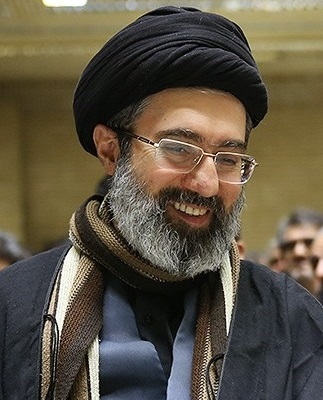
Mojtaba Khamenei
Iranian politician and cleric (born 1969)
Mojtaba Hosseini Khamenei (born 8 September 1969) is an Iranian politician and Muslim cleric. The second eldest child of Ali Khamenei, the former supreme leader of Iran, Mojtaba Khamenei served in the Iran–Iraq War from 1987 to 1988, and also reportedly took control of the Basij that was used to sup...

Islamic Revolutionary Guard Corps
Military organization in Iran
The Islamic Revolutionary Guard Corps (IRGC), also known as the Iranian Revolutionary Guards, is a multi-service primary branch of the Iranian Armed Forces. It was officially established by Ruhollah Khomeini as a military branch in May 1979 in the aftermath of the Iranian Revolution. Whereas the Ira...

Iran
Country in West Asia
# Iran **Iran**, officially the **Islamic Republic of Iran** and historically known as **Persia**, is a sovereign country situated in West Asia. It is a major regional power, ranking as the 17th-largest country in the world by both land area and population. Combining a rich historical legacy with a...
Supreme Leader
Topics referred to by the same term
A supreme leader or supreme ruler is a powerful figure with an unchallenged authority.
Entity Intersection Graph
Connections for Ali Khamenei:
View full profileMentioned Entities
Deep Analysis
Why It Matters
The appointment of Mojtaba Khamenei as Iran's new supreme leader represents a significant transfer of power in the Islamic Republic, potentially ensuring dynastic continuity in the country's leadership. This development affects not only Iran's domestic political landscape but also its foreign policy, regional influence, and relationships with global powers. The consolidation of power within the Khamenei family and the strengthening of ties with the IRGC could reshape Iran's governance structure and decision-making processes for years to come.
Context & Background
- Ayatollah Ali Khamenei has been Iran's supreme leader since 1989, succeeding Ayatollah Ruhollah Khomeini, the founder of the Islamic Republic
- The position of Supreme Leader in Iran holds ultimate authority over the military, judiciary, state media, and key political appointments
- The Islamic Revolutionary Guard Corps (IRGC) was established in 1979 to protect the Islamic revolution and has grown into a powerful economic and political entity
- Iran's political system combines elements of a modern republic with theocratic elements, with the Supreme Leader holding ultimate authority
- The Iran-Iraq war (1980-1988) was a formative event that strengthened the IRGC's position in Iranian society and politics
- There have been previous speculations about succession plans, with various candidates considered over the years
- The Khamenei family has maintained significant influence in Iranian politics, with Mojtaba Khamenei previously operating behind the scenes
What Happens Next
Following the formal announcement, we can expect a period of transition where Mojtaba Khamenei consolidates his authority and makes key appointments to secure his position. International reactions from major powers and regional neighbors will likely follow, with potential shifts in diplomatic approaches toward Iran. The IRGC's influence in economic and political spheres may further expand, potentially leading to changes in Iran's domestic policies and foreign strategy, particularly regarding nuclear negotiations and regional proxy activities.
Frequently Asked Questions
Mojtaba Hosseini Khamenei is the son of former Supreme Leader Ayatollah Ali Khamenei. He served in the Iran-Iraq war during the 1980s, where he established connections with Iran's armed forces and particularly the Islamic Revolutionary Guard Corps (IRGC).
The Supreme Leader holds ultimate authority in Iran's political system, with control over the military, judiciary, state media, and key political appointments. They have the final say on all major state policies and can override elected institutions.
The consolidation of power within the Khamenei family and strengthening of IRGC ties could lead to a more hardline approach in foreign policy, potentially affecting nuclear negotiations, regional proxy activities, and relations with Western powers and Israel.
Dynastic succession would be unprecedented in Iran's Islamic Republic, which was founded on anti-monarchical principles. This could indicate a significant evolution in Iran's political structure and potentially lead to increased domestic criticism about concentration of power.
The IRGC has expanded its influence from a military organization to a major economic player controlling significant portions of Iran's economy, while simultaneously increasing its political power through control of key security and intelligence agencies.
Public reaction is likely divided, with supporters viewing it as ensuring stability and continuity, while critics may see it as further consolidation of power within a ruling family, potentially leading to increased domestic tensions and protests.