
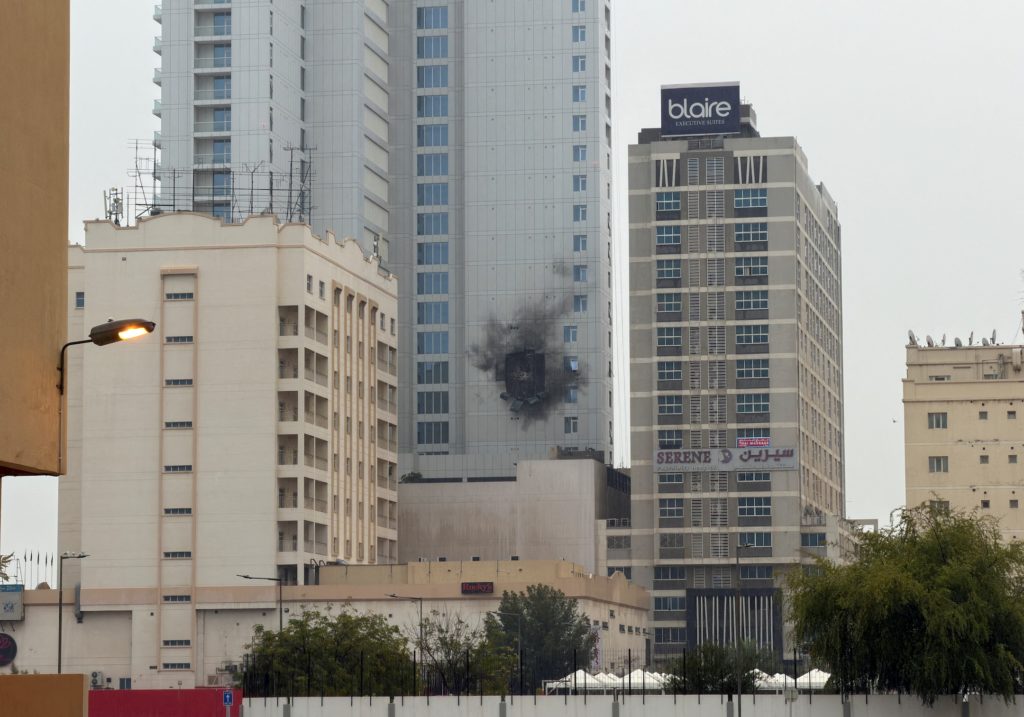
Iran receiving intelligence support from Russia, officials say
#Iran #Russia #intelligence support #officials #military collaboration #regional security #Western concerns
📌 Key Takeaways
- Iran is reportedly receiving intelligence support from Russia, according to officials.
- The collaboration suggests deepening ties between Iran and Russia amid international tensions.
- This support may enhance Iran's military and strategic capabilities in the region.
- The development raises concerns among Western nations about regional security dynamics.
📖 Full Retelling
🏷️ Themes
International Relations, Security
📚 Related People & Topics

Russia
Country in Eastern Europe and North Asia
Russia, or the Russian Federation, is a country in Eastern Europe and North Asia. It is the largest country in the world, spanning eleven time zones and sharing land borders with fourteen countries. With a population of over 140 million, Russia is the most populous country in Europe and the ninth-mo...

Iran
Country in West Asia
# Iran **Iran**, officially the **Islamic Republic of Iran** and historically known as **Persia**, is a sovereign country situated in West Asia. It is a major regional power, ranking as the 17th-largest country in the world by both land area and population. Combining a rich historical legacy with a...
Entity Intersection Graph
Connections for Russia:
Mentioned Entities
Deep Analysis
Why It Matters
This development matters because it represents a significant deepening of military and intelligence cooperation between two major geopolitical adversaries of Western powers, potentially altering regional power dynamics in the Middle East. It directly affects Middle Eastern security, particularly Israel and Gulf states who view Iran as a primary threat, and impacts U.S. and European security interests by creating a more coordinated anti-Western alliance. The intelligence sharing could enhance Iran's capabilities in surveillance, cyber operations, and regional proxy warfare, making Tehran a more formidable regional actor with potentially greater reach and precision in its operations.
Context & Background
- Russia and Iran have been strengthening ties since 2015, particularly after Western sanctions intensified against both countries following Russia's annexation of Crimea and Iran's nuclear program.
- Iran has provided Russia with military drones used in the Ukraine war since 2022, establishing a reciprocal military relationship that now appears to be expanding to intelligence cooperation.
- Both nations face extensive international sanctions and diplomatic isolation from Western countries, creating shared strategic interests in countering U.S. and European influence globally.
- Russia maintains intelligence-sharing relationships with several U.S. adversaries including China and North Korea, while Iran has historically relied on its own intelligence apparatus and regional proxies like Hezbollah.
What Happens Next
Western intelligence agencies will likely increase monitoring of communications and movements between Russian and Iranian intelligence personnel, potentially leading to new sanctions or diplomatic actions against both countries in the coming months. The U.S. and Israel may enhance their own intelligence cooperation in response, possibly including more joint operations targeting Iranian assets. Regional tensions could escalate as Gulf states seek additional security guarantees from Western partners, with possible increased military deployments to the Middle East expected within the next quarter.
Frequently Asked Questions
Russia is probably providing Iran with satellite imagery, signals intelligence, and information about Western military movements and capabilities in the Middle East. This could include data on U.S. naval deployments, Israeli defense systems, and intelligence about opposition groups that both countries view as threats to their interests.
This intelligence cooperation complicates nuclear negotiations by demonstrating Iran's deepening alignment with Russia, another sanctioned nation, making Western powers more skeptical of Iran's intentions. It may harden Western positions in negotiations and potentially lead to additional sanctions, further reducing the likelihood of a near-term nuclear agreement.
The intelligence sharing poses direct threats to Israel's security by potentially giving Iran better information about Israeli military capabilities, troop movements, and defense systems. This could enhance the precision and effectiveness of Iranian proxy attacks against Israeli targets and improve Iran's ability to counter Israeli operations in Syria and elsewhere in the region.
Russia views the strategic benefits of a stronger alliance with Iran as outweighing sanction risks, since it already faces extensive sanctions over Ukraine. The cooperation helps Russia project power in the Middle East, gain leverage in energy markets, and create a multipolar world order less dominated by Western powers.
The U.S. will likely increase intelligence collection against both countries, potentially conduct more cyber operations to disrupt their cooperation, and work to strengthen intelligence sharing with Middle Eastern allies. Diplomatic pressure through international forums and possible new sanctions targeting the specific intelligence cooperation are expected responses in the coming weeks.