
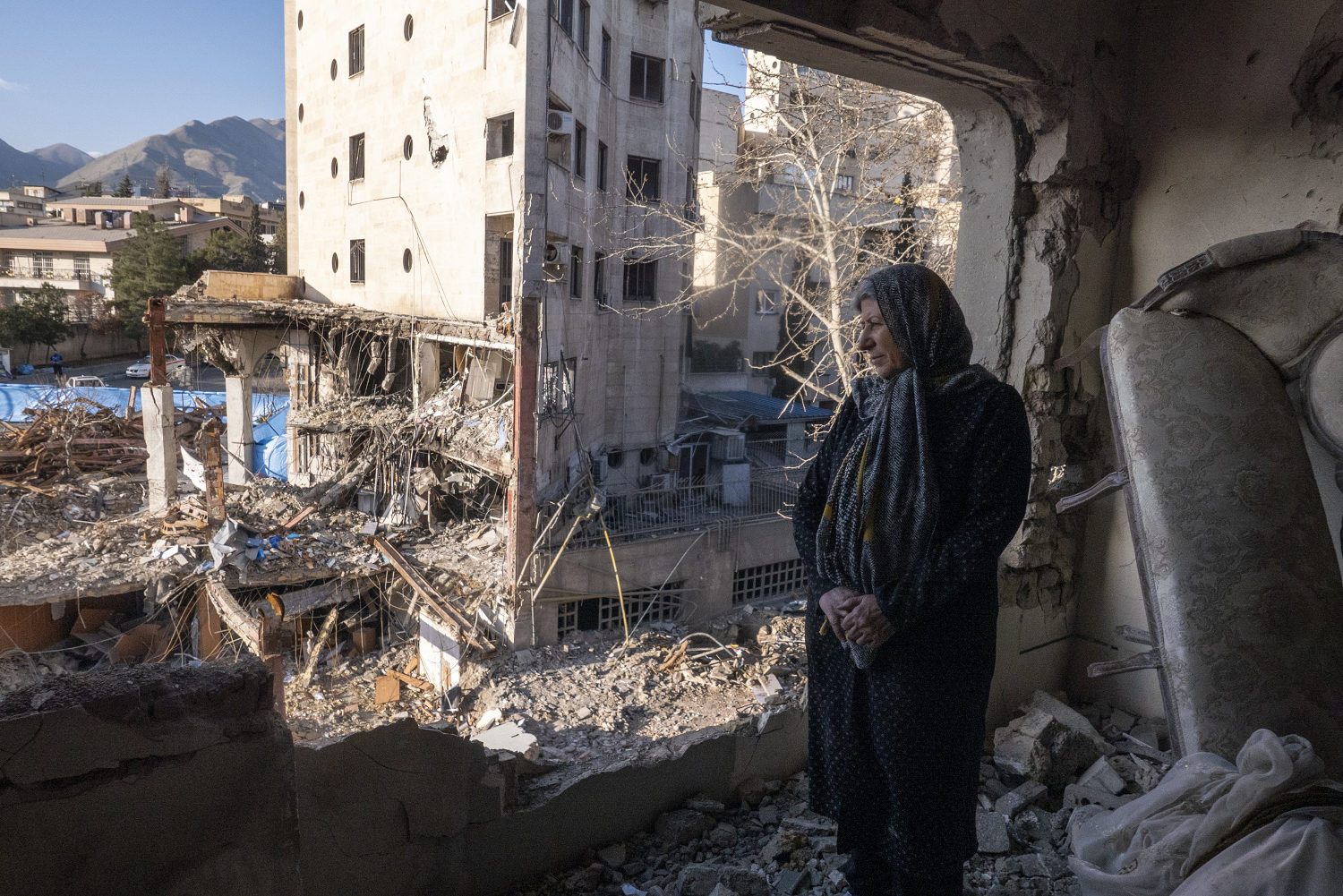
Iran refuses to back down after Trump issues 48-hour deadline over Strait of Hormuz
#Iran #Trump #Strait of Hormuz #deadline #ultimatum #oil #conflict
📌 Key Takeaways
- Iran rejects Trump's 48-hour ultimatum regarding the Strait of Hormuz.
- The deadline escalates tensions between the U.S. and Iran over the strategic waterway.
- Iran's defiance signals a potential for further military or diplomatic confrontation.
- The Strait of Hormuz remains a critical global oil transit chokepoint amid the crisis.
📖 Full Retelling
🏷️ Themes
Geopolitical Tension, Maritime Security
📚 Related People & Topics

Iran
Country in West Asia
# Iran **Iran**, officially the **Islamic Republic of Iran** and historically known as **Persia**, is a sovereign country situated in West Asia. It is a major regional power, ranking as the 17th-largest country in the world by both land area and population. Combining a rich historical legacy with a...

Strait of Hormuz
Strait between the Gulf of Oman and the Persian Gulf
The Strait of Hormuz ( Persian: تنگهٔ هُرمُز Tangeh-ye Hormoz , Arabic: مَضيق هُرمُز Maḍīq Hurmuz) is a strait between the Persian Gulf and the Gulf of Oman. It provides the only sea passage from the Persian Gulf to the open ocean and is one of the world's most strategically important choke points. ...

Donald Trump
President of the United States (2017–2021; since 2025)
Donald John Trump (born June 14, 1946) is an American politician, media personality, and businessman who is the 47th president of the United States. A member of the Republican Party, he served as the 45th president from 2017 to 2021. Born into a wealthy New York City family, Trump graduated from the...
Entity Intersection Graph
Connections for Iran:
Mentioned Entities
Deep Analysis
Why It Matters
This confrontation matters because the Strait of Hormuz is a critical global chokepoint through which about 20% of the world's oil passes daily. A military conflict here could disrupt global energy supplies, spike oil prices, and trigger broader regional instability. The situation directly affects global economies, shipping companies, energy markets, and regional security, while putting U.S. and Iranian forces on high alert with potential for miscalculation.
Context & Background
- The Strait of Hormuz is a narrow waterway between Iran and Oman that connects the Persian Gulf with the Gulf of Oman and Arabian Sea, making it essential for global oil shipments.
- Tensions between the U.S. and Iran have escalated since 2018 when the Trump administration withdrew from the 2015 nuclear deal (JCPOA) and reimposed sanctions.
- Iran has previously threatened to close the Strait during tensions, including in 2018 when Iranian officials warned they could block the waterway if prevented from exporting oil.
- The U.S. maintains significant naval presence in the region through the Fifth Fleet based in Bahrain, while Iran has developed asymmetric naval capabilities including fast attack boats and coastal missiles.
- Previous incidents include Iran's seizure of British tanker Stena Impero in 2019 and attacks on oil tankers in the Gulf of Oman that same year.
What Happens Next
Within the 48-hour window, diplomatic efforts will intensify with European and regional powers attempting to de-escalate tensions. If Iran doesn't comply, the U.S. may increase naval patrols or impose additional sanctions. Military analysts will watch for any Iranian naval movements or exercises near the Strait. The situation could escalate to limited naval skirmishes if either side perceives a violation of maritime boundaries.
Frequently Asked Questions
The Strait is crucial because approximately 20 million barrels of oil pass through daily, representing about 20% of global petroleum consumption. It's the only sea passage from the Persian Gulf to open oceans, making it essential for Gulf oil exporters like Saudi Arabia, Iraq, UAE, Kuwait, and Qatar to reach global markets.
Iran could deploy its naval forces to harass or seize commercial vessels, lay naval mines, conduct missile tests that restrict navigation, or use its small boat swarms to create dangerous conditions. While completely blocking the Strait would be difficult against U.S. naval power, Iran can significantly disrupt traffic through asymmetric tactics.
European allies typically urge restraint and diplomatic solutions while maintaining their own naval presence. Regional Gulf states like Saudi Arabia and UAE generally support U.S. efforts but fear being drawn into direct conflict. China and Russia typically criticize U.S. actions and call for respecting Iranian sovereignty.
The U.S. cites freedom of navigation principles under international law and its security commitments to allies. The Strait is considered an international waterway where innocent passage is protected under UNCLOS, though Iran claims more control over the waterway than international law typically allows.
Any threat to Strait of Hormuz transit typically causes immediate spikes in oil prices due to supply concerns. Markets react to both the physical disruption risk and the geopolitical premium, with prices potentially rising 10-20% or more if military conflict appears imminent.