
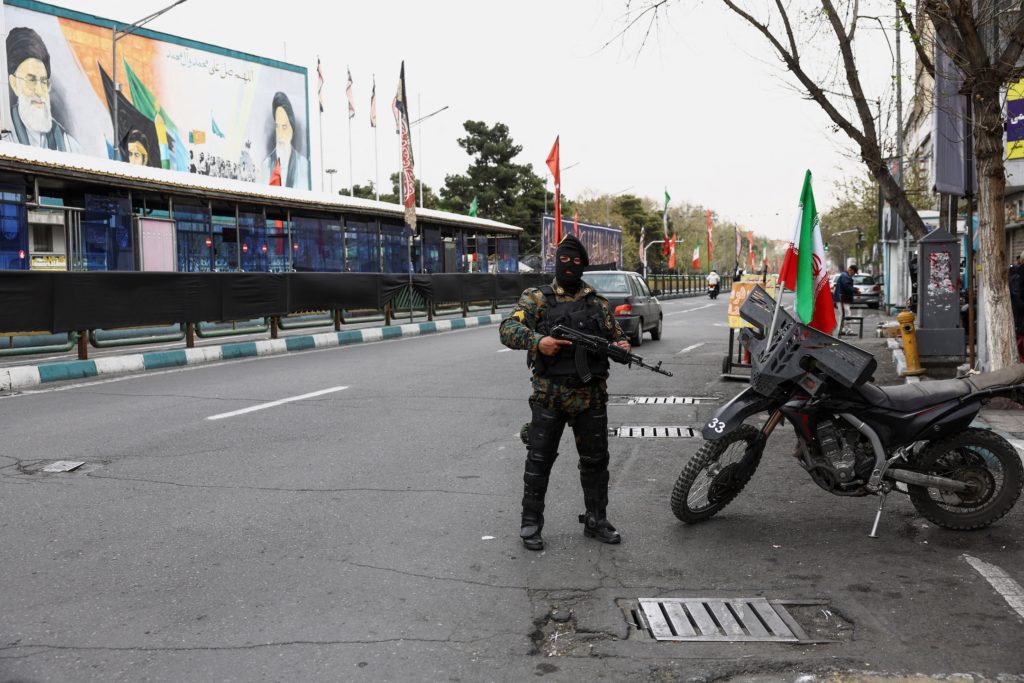
Iran rejects Trump's ceasefire terms and issues own demands as war continues
#Iran #Trump #ceasefire #war #demands #conflict #diplomacy
📌 Key Takeaways
- Iran rejects ceasefire terms proposed by former President Trump.
- Iran issues its own set of demands for ending the conflict.
- The war between Iran and the opposing forces continues without resolution.
- The situation highlights ongoing diplomatic tensions and military stalemate.
📖 Full Retelling
🏷️ Themes
Geopolitical Conflict, Diplomatic Stalemate
📚 Related People & Topics

Iran
Country in West Asia
# Iran **Iran**, officially the **Islamic Republic of Iran** and historically known as **Persia**, is a sovereign country situated in West Asia. It is a major regional power, ranking as the 17th-largest country in the world by both land area and population. Combining a rich historical legacy with a...

Donald Trump
President of the United States (2017–2021; since 2025)
Donald John Trump (born June 14, 1946) is an American politician, media personality, and businessman who is the 47th president of the United States. A member of the Republican Party, he served as the 45th president from 2017 to 2021. Born into a wealthy New York City family, Trump graduated from the...
Entity Intersection Graph
Connections for Iran:
Mentioned Entities
Deep Analysis
Why It Matters
This development matters because it signals a potential escalation in the conflict, with Iran rejecting U.S. terms and presenting its own demands, which could prolong the war and increase regional instability. It affects not only the U.S. and Iran but also neighboring countries, global oil markets, and international security. The rejection of ceasefire terms by Iran undermines diplomatic efforts and raises the risk of further military confrontation, impacting global geopolitical dynamics.
Context & Background
- The U.S. and Iran have had strained relations since the 1979 Iranian Revolution, which led to the seizure of the U.S. embassy in Tehran.
- Tensions escalated in recent years due to the U.S. withdrawal from the Iran nuclear deal (JCPOA) in 2018 and subsequent sanctions.
- Previous conflicts include the 2020 U.S. drone strike that killed Iranian General Qasem Soleimani, leading to retaliatory missile attacks.
- Iran has historically supported proxy groups in the Middle East, such as Hezbollah and Houthi rebels, complicating regional stability.
What Happens Next
In the coming weeks, the U.S. may respond with increased military pressure or sanctions, while Iran could escalate through proxy attacks or regional maneuvers. Diplomatic efforts by international mediators, such as the UN or European Union, may intensify to prevent further escalation. Key dates to watch include upcoming UN Security Council meetings and potential military developments on the ground.
Frequently Asked Questions
While the article does not specify Iran's exact demands, they likely include the lifting of U.S. sanctions, withdrawal of U.S. troops from the region, and guarantees for Iran's sovereignty. These demands reflect Iran's long-standing grievances and aim to address its economic and security concerns.
The rejection increases uncertainty in the Middle East, potentially disrupting oil supply routes like the Strait of Hormuz. This could lead to volatility in oil prices, affecting global economies and energy-dependent industries worldwide.
Allies like Israel and Saudi Arabia may support U.S. actions, while Russia and China could back Iran diplomatically or economically. Regional actors may also mediate to de-escalate tensions and protect their interests.
Yes, if diplomatic efforts fail, the conflict could expand through proxy groups or direct military clashes, drawing in neighboring countries. However, both sides have historically avoided full-scale war due to the high costs involved.