
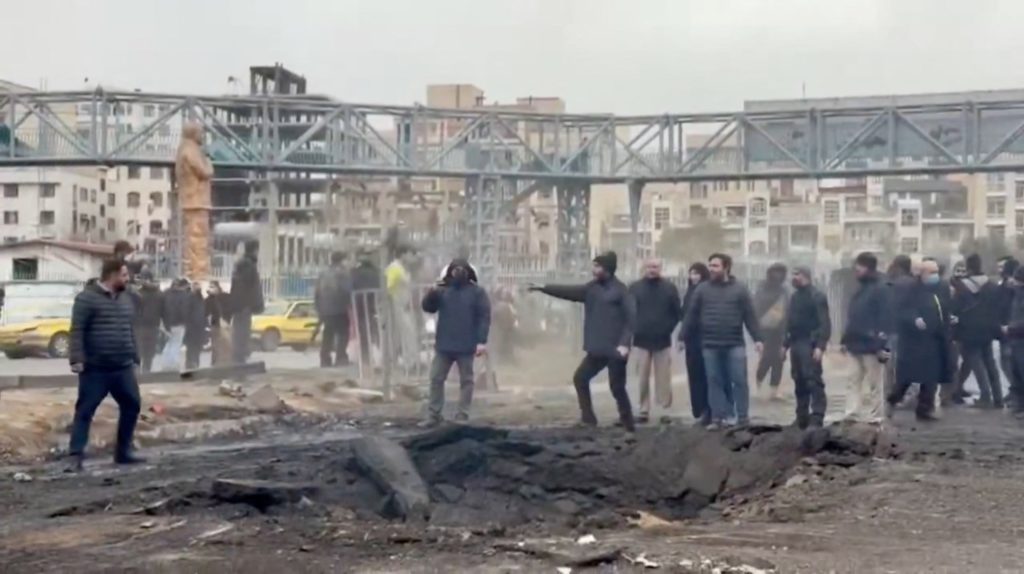
Iran targets ships in Strait of Hormuz, raising global energy fears
#Iran #Strait of Hormuz #ship attacks #oil shipments #energy security #maritime security #global trade
📌 Key Takeaways
- Iran has targeted ships in the Strait of Hormuz, a critical maritime chokepoint.
- The attacks are raising global concerns about energy security and supply disruptions.
- The Strait of Hormuz is a vital passage for a significant portion of the world's oil shipments.
- The incidents heighten regional tensions and the risk of broader conflict.
📖 Full Retelling
🏷️ Themes
Geopolitical Tension, Energy Security
📚 Related People & Topics

Iran
Country in West Asia
# Iran **Iran**, officially the **Islamic Republic of Iran** and historically known as **Persia**, is a sovereign country situated in West Asia. It is a major regional power, ranking as the 17th-largest country in the world by both land area and population. Combining a rich historical legacy with a...

Strait of Hormuz
Strait between the Gulf of Oman and the Persian Gulf
The Strait of Hormuz ( Persian: تنگهٔ هُرمُز Tangeh-ye Hormoz , Arabic: مَضيق هُرمُز Maḍīq Hurmuz) is a strait between the Persian Gulf and the Gulf of Oman. It provides the only sea passage from the Persian Gulf to the open ocean and is one of the world's most strategically important choke points. ...
Entity Intersection Graph
Connections for Iran:
Mentioned Entities
Deep Analysis
Why It Matters
This development threatens global energy security as approximately 20% of the world's oil passes through the Strait of Hormuz daily. The attacks disrupt shipping lanes vital to international trade, potentially causing oil price spikes that affect consumers worldwide. Regional stability is jeopardized, impacting neighboring Gulf states and international naval forces patrolling the area. Energy-dependent nations, particularly in Asia and Europe, face supply chain vulnerabilities that could trigger economic repercussions.
Context & Background
- The Strait of Hormuz is a 21-mile wide chokepoint between Oman and Iran through which about 21 million barrels of oil pass daily
- Iran has previously threatened to close the strait during tensions with Western powers, particularly over nuclear sanctions
- The U.S. Fifth Fleet is based in Bahrain and regularly patrols the area to ensure freedom of navigation
- Similar incidents occurred in 2019 when Iran seized British and other foreign tankers amid escalating tensions
- The strait is crucial for LNG exports from Qatar, the world's largest LNG exporter
- Iran's Islamic Revolutionary Guard Corps Navy maintains significant asymmetric warfare capabilities in the region
What Happens Next
International naval forces will likely increase patrols and escort commercial vessels through the strait. The UN Security Council may convene emergency sessions to address maritime security. Oil prices are expected to remain volatile with potential spikes of 10-20% if disruptions continue. Diplomatic efforts between Iran and Western powers will intensify, possibly leading to renewed negotiations or further sanctions. Shipping insurance premiums for vessels transiting the region could increase substantially.
Frequently Asked Questions
Iran likely uses these attacks as leverage in negotiations over sanctions and nuclear programs. The strait represents Iran's primary strategic card against Western powers, allowing them to demonstrate capability without direct military confrontation. Such actions typically coincide with diplomatic tensions or economic pressure on Tehran.
Attacks in the Strait of Hormuz typically cause immediate oil price increases due to supply concerns. Brent crude could rise $5-10 per barrel initially, with further increases if disruptions continue. Energy markets become volatile as traders assess the duration and severity of shipping disruptions.
Asian nations like China, Japan, and India import over 60% of their Gulf oil through the strait. European countries including Italy, Spain, and Greece rely heavily on Middle Eastern energy supplies. Gulf Cooperation Council states like Saudi Arabia, UAE, and Qatar depend on the strait for nearly all their energy exports.
The U.S. Navy usually leads multinational patrols to secure shipping lanes through operations like Combined Task Force 153. The International Maritime Organization issues warnings and coordinates security advisories for commercial vessels. European and Asian navies often deploy additional assets to protect their national shipping interests.
Iran has never completely closed the Strait of Hormuz but has frequently threatened to do so during crises. During the 1980s 'Tanker War,' both Iran and Iraq attacked vessels but kept the strait open. More recently in 2018-2019, Iran harassed shipping but maintained the waterway's operational status.