
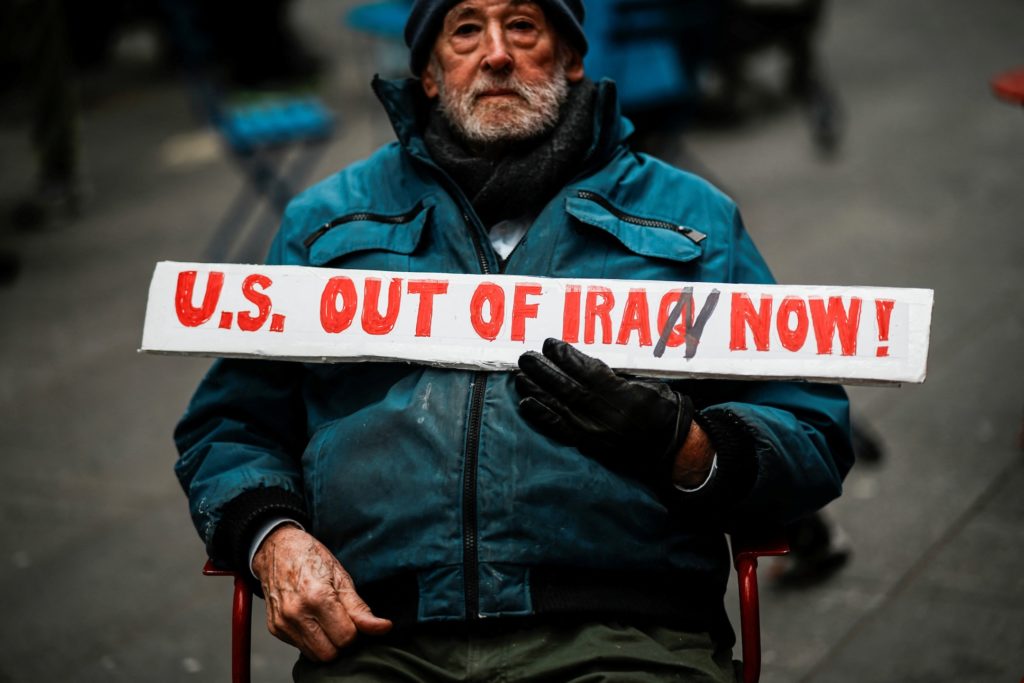
Iran war creates growing cracks within Trump's MAGA movement
#Iran #MAGA #Trump #war #divisions #foreign policy #2024 election #Republican base
📌 Key Takeaways
- Iran conflict exposes divisions within Trump's MAGA base
- Some supporters oppose military escalation, fearing prolonged war
- Others back aggressive stance, creating internal friction
- Debate reflects broader foreign policy split in movement
- Tensions could impact Trump's 2024 campaign strategy
📖 Full Retelling
🏷️ Themes
Political Division, Foreign Policy
📚 Related People & Topics

Iran
Country in West Asia
# Iran **Iran**, officially the **Islamic Republic of Iran** and historically known as **Persia**, is a sovereign country situated in West Asia. It is a major regional power, ranking as the 17th-largest country in the world by both land area and population. Combining a rich historical legacy with a...

Make America Great Again
American political slogan
"Make America Great Again" (MAGA, US: ) is an American political slogan most recently popularized by Donald Trump during his presidential campaigns in 2016, 2020, and 2024. "MAGA" is also used to refer to Trump's ideology, political base, or to an individual or group of individuals from within that ...

Donald Trump
President of the United States (2017–2021; since 2025)
Donald John Trump (born June 14, 1946) is an American politician, media personality, and businessman who is the 47th president of the United States. A member of the Republican Party, he served as the 45th president from 2017 to 2021. Born into a wealthy New York City family, Trump graduated from the...
Entity Intersection Graph
Connections for Iran:
Mentioned Entities
Deep Analysis
Why It Matters
This news matters because it reveals significant internal divisions within Donald Trump's political base, which could impact his 2024 presidential campaign strategy and Republican Party unity. The potential for military conflict with Iran is exposing ideological fault lines between interventionist and isolationist factions within the MAGA movement. These divisions affect Republican voters, party officials, and Trump's ability to maintain a cohesive political coalition, potentially weakening his electoral prospects and influencing U.S. foreign policy debates.
Context & Background
- The MAGA (Make America Great Again) movement emerged during Donald Trump's 2016 presidential campaign and has remained his core political base
- Trump's foreign policy has historically blended isolationist rhetoric with aggressive actions, creating tension between non-interventionist supporters and more traditional interventionist Republicans
- Iran has been a persistent foreign policy challenge for multiple U.S. administrations, with tensions escalating since Trump withdrew from the Iran nuclear deal in 2018
- Previous Republican administrations have faced similar divisions between neoconservative interventionists and libertarian-leaning non-interventionists
What Happens Next
Expect increased public disagreements among prominent MAGA figures and Republican lawmakers about Iran policy in coming weeks. The debate will likely intensify during Republican primary debates and campaign events. Trump will need to navigate these divisions carefully to maintain coalition unity ahead of the 2024 election, potentially adjusting his rhetoric or policy positions.
Frequently Asked Questions
The divisions center on whether the U.S. should pursue military intervention versus diplomatic engagement with Iran. Some MAGA supporters favor Trump's 'America First' non-interventionism, while others advocate for stronger action against Iran's regional influence and nuclear program.
Internal conflicts could weaken Trump's political coalition, making it harder to mobilize unified support. They may also provide opportunities for Republican primary challengers to appeal to disaffected factions within the MAGA movement.
Yes, Trump has previously navigated tensions between nationalist/isolationist supporters and more traditional Republican foreign policy hawks, particularly regarding Syria withdrawal and relationships with authoritarian leaders.
These divisions reflect ongoing debates about America's global role that extend beyond Trump's movement. The outcome could influence whether future Republican foreign policy leans toward interventionism or restraint in the Middle East.