
Iranians burn Trump, Netanyahu effigies at warship victim rally
#Iran #Trump #Netanyahu #effigy burning #rally #warship victims #U.S.-Iran relations #Israel-Iran conflict
📌 Key Takeaways
- Iranians burned effigies of Donald Trump and Benjamin Netanyahu at a rally commemorating victims of a warship incident.
- The rally expressed strong anti-U.S. and anti-Israel sentiments among participants.
- The event highlighted ongoing tensions between Iran and the U.S. and Israel.
- The demonstration served as a public display of solidarity with the victims and condemnation of perceived adversaries.
🏷️ Themes
International Tensions, Political Protest
📚 Related People & Topics

Iran
Country in West Asia
# Iran **Iran**, officially the **Islamic Republic of Iran** and historically known as **Persia**, is a sovereign country situated in West Asia. It is a major regional power, ranking as the 17th-largest country in the world by both land area and population. Combining a rich historical legacy with a...
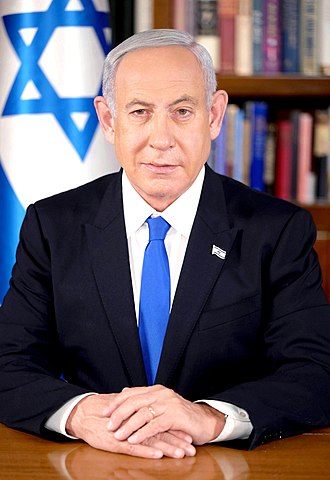
Benjamin Netanyahu
Prime Minister of Israel (1996–1999; 2009–2021; since 2022)
Benjamin "Bibi" Netanyahu (born 21 October 1949) is an Israeli politician and diplomat who has served as Prime Minister of Israel since 2022. Having previously held office from 1996 to 1999 and from 2009 to 2021, Netanyahu is Israel's longest-serving prime minister. Born in Tel Aviv, Netanyahu was r...

Donald Trump
President of the United States (2017–2021; since 2025)
Donald John Trump (born June 14, 1946) is an American politician, media personality, and businessman who is the 47th president of the United States. A member of the Republican Party, he served as the 45th president from 2017 to 2021. Born into a wealthy New York City family, Trump graduated from the...
Entity Intersection Graph
Connections for Iran:
Mentioned Entities
Deep Analysis
Why It Matters
This demonstration reflects ongoing tensions between Iran and the United States/Israel, which could escalate regional conflicts and impact global oil markets. It matters because it shows how Iranian domestic politics are shaped by anti-Western sentiment, potentially complicating diplomatic efforts. The rally affects international relations, regional stability, and could influence future negotiations over Iran's nuclear program.
Context & Background
- Iran and the U.S. have had hostile relations since the 1979 Iranian Revolution and the subsequent hostage crisis.
- Tensions escalated in 2020 when the U.S. killed Iranian General Qasem Soleimani in a drone strike, leading to Iranian retaliation.
- Iran has long supported anti-Israel militant groups like Hezbollah, viewing Israel as an occupying force in Palestine.
- The Iranian government frequently uses public rallies to demonstrate national unity and defiance against perceived foreign enemies.
- Iran's Revolutionary Guard Navy has had several confrontations with U.S. naval forces in the Persian Gulf over the years.
What Happens Next
Iran may continue similar public demonstrations ahead of upcoming elections to rally nationalist support. The U.S. and Israel could respond with increased military patrols or sanctions. Diplomatic efforts to revive the Iran nuclear deal may face further obstacles if tensions escalate.
Frequently Asked Questions
They are symbolic protests against U.S. and Israeli policies viewed as hostile to Iran, including sanctions and alleged support for opposition groups. Such acts serve as domestic political tools to show defiance and unity.
It likely commemorates Iranian military personnel killed in naval incidents, possibly referencing past confrontations with U.S. forces. These rallies often honor martyrs to bolster nationalistic sentiments.
It may strain diplomatic ties with Western nations and Israel, while potentially strengthening Iran's alliances with anti-U.S. groups in the region. Such actions could lead to increased international isolation or sanctions.
While they may appear grassroots, such events in Iran are often sanctioned or encouraged by the government to channel public sentiment. Authorities use them to demonstrate popular support for their foreign policy stance.