
Israel launches more strikes on Tehran as Iran continues attacks on Gulf oil facilities
#Israel #Iran #Tehran #Gulf oil facilities #Benjamin Netanyahu #Trump #strikes #energy infrastructure
📌 Key Takeaways
- Israel conducted additional strikes on Tehran despite Netanyahu's earlier statement about holding off on attacks on Iran's energy infrastructure.
- The strikes followed a request from former U.S. President Trump, indicating potential external diplomatic influence.
- Iran continues its attacks on Gulf oil facilities, escalating regional tensions and threatening energy security.
- The situation highlights ongoing military and strategic confrontations between Israel and Iran in the Middle East.
📖 Full Retelling
🏷️ Themes
Military Conflict, Geopolitical Tensions
📚 Related People & Topics

Iran
Country in West Asia
# Iran **Iran**, officially the **Islamic Republic of Iran** and historically known as **Persia**, is a sovereign country situated in West Asia. It is a major regional power, ranking as the 17th-largest country in the world by both land area and population. Combining a rich historical legacy with a...
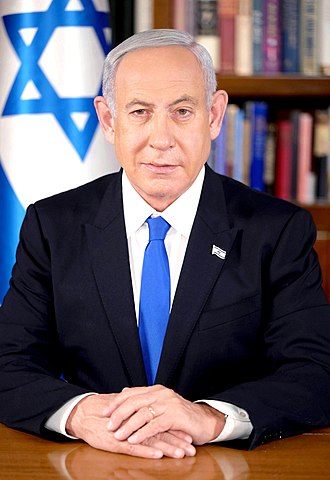
Benjamin Netanyahu
Prime Minister of Israel (1996–1999; 2009–2021; since 2022)
Benjamin "Bibi" Netanyahu (born 21 October 1949) is an Israeli politician and diplomat who has served as Prime Minister of Israel since 2022. Having previously held office from 1996 to 1999 and from 2009 to 2021, Netanyahu is Israel's longest-serving prime minister. Born in Tel Aviv, Netanyahu was r...

Tehran
Capital and largest city of Iran
Tehran is the capital and largest city of Iran. It is also the capital of Tehran province and the administrative center for Tehran County and its Central District. With a population of around 9 million in the city, and 16.8 million in the metropolitan area, Tehran is the most populous city in Iran a...

Israel
Country in West Asia
Israel, officially the State of Israel, is a country in the Southern Levant region of West Asia. It is bordered by Lebanon to the north, Syria to the northeast, Jordan to the east, and Egypt to the southwest. Israel occupies the West Bank and the Gaza Strip of the Palestinian territories, as well as...
Entity Intersection Graph
Connections for Iran:
Mentioned Entities
Deep Analysis
Why It Matters
This escalation matters because it directly threatens global energy security and regional stability. The attacks on Gulf oil facilities could disrupt 20% of the world's oil supply, potentially causing price spikes that affect economies worldwide. The conflict risks drawing in other regional powers and undermining diplomatic efforts, while Israel's continued strikes despite Netanyahu's statement reveal internal policy tensions. This affects energy consumers globally, regional governments, and international shipping interests.
Context & Background
- Iran and Israel have engaged in a shadow war for years, with Israel targeting Iranian assets in Syria and Iran supporting anti-Israel proxies.
- The Strait of Hormuz, where many Gulf oil facilities are located, is a critical chokepoint through which about 21 million barrels of oil pass daily.
- Previous attacks on Gulf oil infrastructure include the 2019 Abqaiq–Khurais attack and numerous tanker incidents, often attributed to Iranian-backed groups.
- The U.S. has maintained sanctions on Iran's oil exports since 2018, crippling Iran's economy and increasing regional tensions.
- Israel has previously conducted strikes against Iranian nuclear facilities and military assets, most notably the Stuxnet cyberattack and various airstrikes in Syria.
What Happens Next
Oil prices will likely spike in coming days as markets react to supply disruption fears. The UN Security Council will probably convene an emergency session, while the U.S. may deploy additional naval assets to the Persian Gulf. Regional airlines will likely reroute flights away from conflict zones, and insurance premiums for shipping through the Strait of Hormuz will increase substantially. Diplomatic backchannel communications between Washington, Tehran, and Jerusalem are expected to intensify behind the scenes.
Frequently Asked Questions
Israel views Iran's energy sector as both an economic lifeline for the regime and potential funding source for militant proxies. By targeting this infrastructure, Israel aims to pressure Iran economically while degrading its ability to finance regional activities against Israeli interests.
Attacks on Gulf facilities typically cause immediate price spikes of 5-15% as markets price in supply disruption risks. Sustained attacks could push prices significantly higher, particularly if major export terminals like Ras Tanura or the UAE's Fujairah port are affected.
The former president reportedly requested Israel hold off on attacks, suggesting continued influence in Middle East policy despite leaving office. This creates tension between Israeli military objectives and diplomatic considerations with the U.S., even under a different administration.
While full-scale war remains unlikely, the risk of miscalculation has increased significantly. Iran may respond through proxies in Lebanon, Syria, or Yemen, potentially creating multiple simultaneous conflict fronts that could draw in other regional powers.
Saudi Arabia and the UAE will likely enhance air defense systems and request additional U.S. military support. These Sunni-majority Gulf states share Israel's concerns about Iranian aggression but remain cautious about openly aligning with Israeli military actions.