
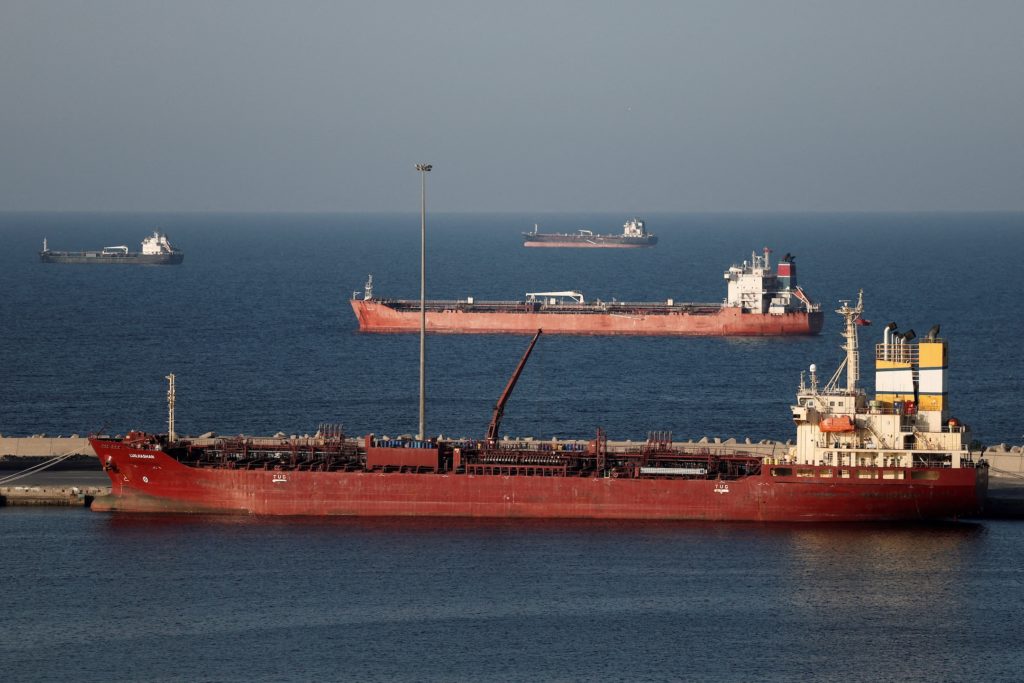
Israeli and Iranian strikes on oil and gas facilities rattle global markets
#Israeli strikes #Iranian strikes #oil facilities #gas facilities #global markets #geopolitical tensions #energy security
📌 Key Takeaways
- Israeli and Iranian strikes targeted oil and gas facilities, causing market disruptions.
- The attacks have increased geopolitical tensions in the Middle East.
- Global oil and gas markets experienced volatility due to supply concerns.
- The incidents highlight vulnerabilities in energy infrastructure to regional conflicts.
📖 Full Retelling
🏷️ Themes
Geopolitical Conflict, Energy Markets
📚 Related People & Topics

Israeli Air Force
Aerial and space service branch of the Israel Defense Forces
The Israeli Air Force (IAF; Hebrew: זְרוֹעַ הָאֲוִיר וְהֶחָלָל, romanized: Zroa HaAvir VeHahalal, lit. 'Air and Space Arm', commonly known as חֵיל הָאֲוִיר, Kheil HaAvir, "Air Corps") operates as the aerial and space warfare branch of the Israel Defense Forces (IDF). It was founded on May 28, 1948,...
Military history of Iran
The military history of Iran has been relatively well-documented, with thousands of years' worth of recorded history. Largely credited to its historically unchanged geographical and geopolitical condition, the modern-day Islamic Republic of Iran (historically known as Persia) has had a long and chec...
Entity Intersection Graph
Connections for Israeli Air Force:
View full profileMentioned Entities
Deep Analysis
Why It Matters
This news matters because attacks on Middle Eastern oil and gas facilities directly threaten global energy supplies, potentially causing price spikes that affect consumers worldwide through higher fuel and transportation costs. The escalation between Israel and Iran risks drawing regional powers into broader conflict, destabilizing a critical geopolitical area. Energy markets are particularly sensitive to Middle Eastern disruptions since the region supplies about one-third of global oil, making such events economically significant for both developed and developing economies.
Context & Background
- The Middle East has been a volatile energy production region for decades, with previous conflicts like the Iran-Iraq War (1980-1988) and Gulf War (1990-1991) causing major oil price shocks.
- Iran and Israel have engaged in a long-running shadow war involving cyberattacks, assassinations, and covert operations, with energy infrastructure being a frequent target.
- Global oil markets remain sensitive to supply disruptions, as demonstrated by the 2019 attacks on Saudi Aramco facilities that temporarily knocked out 5% of global supply.
- The Strait of Hormuz, through which about 20% of global oil passes, has been a frequent flashpoint in Iran-Western tensions.
- Israel has increasingly targeted Iranian energy infrastructure as part of its campaign to counter Tehran's regional influence and nuclear program.
What Happens Next
Energy markets will likely remain volatile as traders assess damage reports and potential supply disruptions. The U.S. and other major consumers may consider releasing strategic petroleum reserves if prices spike significantly. Diplomatic efforts through intermediaries like Oman or Qatar may intensify to prevent further escalation, while regional powers like Saudi Arabia and the UAE will likely enhance security around their own energy facilities. Additional retaliatory strikes could occur within days or weeks depending on damage assessments and political calculations.
Frequently Asked Questions
Attacks reduce immediate oil supply and create uncertainty about future production, causing traders to bid up prices. These higher crude oil costs typically translate to increased gasoline prices within weeks as refineries pay more for their feedstock, affecting consumers at the pump globally.
Energy infrastructure represents strategic economic targets that can inflict significant damage without direct military confrontation. Israel aims to disrupt Iran's oil revenue that funds regional proxies, while Iran seeks to demonstrate capability to retaliate against Israeli interests and potentially disrupt global energy markets to gain leverage.
Asian economies like China, Japan, and India that import substantial Middle Eastern oil face immediate supply concerns. European countries already dealing with reduced Russian gas supplies are vulnerable to further energy insecurity, while oil-producing nations benefit from higher prices but risk infrastructure attacks.
Historical conflicts like the 1973 oil embargo caused prices to quadruple, while the 1990 Gulf War led to temporary spikes. More recently, the 2019 Saudi Aramco attacks briefly removed 5.7 million barrels daily from the market, causing the largest single-day price jump on record before production was restored.
Major producers maintain spare capacity (notably Saudi Arabia) that can be activated to offset losses. Strategic petroleum reserves in consuming countries provide temporary buffers, while alternative shipping routes and diversified global supply chains help mitigate regional disruptions over time.