
Israel’s president responds to Trump call to pardon Netanyahu
#Israel #Benjamin Netanyahu #Donald Trump #pardon #judiciary #legal issues #political influence
📌 Key Takeaways
- Israeli President Isaac Herzog responded to Donald Trump's call to pardon Benjamin Netanyahu.
- Trump suggested pardoning Netanyahu during a Fox News interview, citing political motivations behind Netanyahu's legal issues.
- Herzog emphasized Israel's independent judiciary and respect for the rule of law in his response.
- The exchange highlights international political influence on Israel's domestic legal matters.
📖 Full Retelling
🏷️ Themes
International Politics, Judicial Independence
📚 Related People & Topics
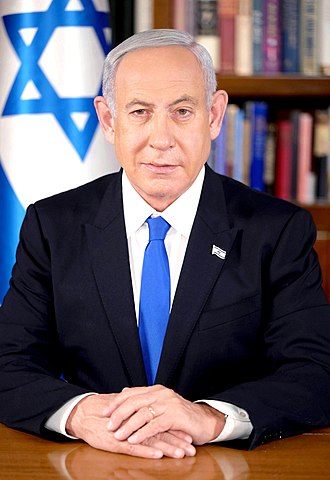
Benjamin Netanyahu
Prime Minister of Israel (1996–1999; 2009–2021; since 2022)
Benjamin "Bibi" Netanyahu (born 21 October 1949) is an Israeli politician and diplomat who has served as Prime Minister of Israel since 2022. Having previously held office from 1996 to 1999 and from 2009 to 2021, Netanyahu is Israel's longest-serving prime minister. Born in Tel Aviv, Netanyahu was r...

Israel
Country in West Asia
Israel, officially the State of Israel, is a country in the Southern Levant region of West Asia. It is bordered by Lebanon to the north, Syria to the northeast, Jordan to the east, and Egypt to the southwest. Israel occupies the West Bank and the Gaza Strip of the Palestinian territories, as well as...

Donald Trump
President of the United States (2017–2021; since 2025)
Donald John Trump (born June 14, 1946) is an American politician, media personality, and businessman who is the 47th president of the United States. A member of the Republican Party, he served as the 45th president from 2017 to 2021. Born into a wealthy New York City family, Trump graduated from the...
Entity Intersection Graph
Connections for Benjamin Netanyahu:
Mentioned Entities
Deep Analysis
Why It Matters
This news matters because it involves international political pressure on Israel's judicial system from a former U.S. president during an active corruption trial. It affects Israeli democracy, U.S.-Israel relations, and the legal proceedings against former Prime Minister Benjamin Netanyahu. The response from Israel's president will signal whether foreign political influence can sway domestic judicial matters in a key U.S. ally.
Context & Background
- Benjamin Netanyahu is currently on trial for corruption charges including bribery, fraud, and breach of trust
- Donald Trump maintained close ties with Netanyahu during his presidency, including recognizing Jerusalem as Israel's capital and moving the U.S. embassy there
- Israel's president has limited pardon powers that are mostly ceremonial, with actual clemency decisions typically made through the Justice Ministry
- Netanyahu's trial has been ongoing since 2020 and has become a central issue in Israeli politics, contributing to multiple election cycles
What Happens Next
Israel's president will likely issue a formal response clarifying the limits of presidential powers in Israel's judicial system. The Netanyahu trial will continue unaffected by Trump's comments. U.S.-Israel relations may see diplomatic discussions about appropriate boundaries for foreign commentary on domestic legal matters. Israeli political factions will likely debate the appropriateness of foreign intervention in their judicial processes.
Frequently Asked Questions
Israel's president has limited pardon powers that are mostly symbolic. Actual clemency decisions typically require recommendation from the Justice Ministry and follow established legal procedures, not direct presidential action.
Trump and Netanyahu had a close political relationship during Trump's presidency, with Netanyahu benefiting from several controversial U.S. policy shifts regarding Israel. Trump may be attempting to influence Israeli politics from abroad.
This creates diplomatic tension by involving a former U.S. president in Israel's domestic legal matters. Current U.S. administration officials may need to distance themselves from Trump's comments to avoid appearing to interfere with Israeli sovereignty.
Netanyahu faces charges of bribery, fraud, and breach of trust involving allegations he granted regulatory favors to media companies in exchange for positive coverage and received expensive gifts from wealthy associates.
Reactions are divided along political lines, with Netanyahu's supporters potentially welcoming international support while opponents view it as inappropriate foreign interference in Israel's judicial independence.