
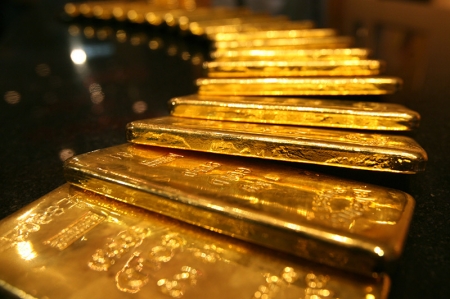
IUX Publishes Market Insight on Gold and Silver Following Federal Reserve Policy Signals
#IUX #gold #silver #Federal Reserve #policy signals #market insight #precious metals
📌 Key Takeaways
- IUX released a market analysis on gold and silver prices.
- The analysis was prompted by recent Federal Reserve policy signals.
- It examines how Fed decisions impact precious metal markets.
- The insight provides guidance for investors in these commodities.
🏷️ Themes
Market Analysis, Federal Reserve
📚 Related People & Topics

Federal Reserve
Central banking system of the US
The Federal Reserve System (often shortened to the Federal Reserve, or simply the Fed) is the central banking system of the United States. It was created on December 23, 1913, with the enactment of the Federal Reserve Act, after a series of financial panics (particularly the panic of 1907) led to th...
Entity Intersection Graph
Connections for Federal Reserve:
Mentioned Entities
Deep Analysis
Why It Matters
This analysis matters because Federal Reserve policy directly influences gold and silver prices, affecting investors, miners, and central banks globally. When the Fed signals interest rate changes, it impacts the US dollar's strength and alternative asset attractiveness, making precious metals a key hedge against inflation or economic uncertainty. This insight helps market participants make informed decisions about portfolio allocation and risk management in volatile economic conditions.
Context & Background
- Gold and silver have historically served as safe-haven assets during economic uncertainty and inflationary periods
- Federal Reserve interest rate decisions influence the US dollar value, which typically has an inverse relationship with precious metal prices
- The 2020-2022 period saw significant gold price volatility due to pandemic stimulus and subsequent inflation concerns
- Central banks have been increasing gold reserves in recent years as part of diversification strategies
- Silver has dual characteristics as both a precious metal and industrial commodity, making it sensitive to both monetary policy and manufacturing demand
What Happens Next
Market participants will monitor upcoming economic data releases, particularly inflation indicators and employment reports, to gauge future Fed actions. Gold and silver prices will likely experience increased volatility around the next Federal Open Market Committee meetings in September and November 2024. Analysts will watch for signals about the timing of potential rate cuts, which could trigger renewed investor interest in precious metals if economic conditions weaken.
Frequently Asked Questions
Federal Reserve interest rate decisions affect the opportunity cost of holding non-yielding assets like gold and silver. Higher rates typically strengthen the dollar and make bonds more attractive, reducing demand for precious metals, while lower rates or dovish signals tend to support metal prices.
The most critical signals include interest rate projections (the 'dot plot'), inflation outlook statements, and forward guidance about monetary policy direction. Comments about quantitative tightening or balance sheet reduction also significantly impact market expectations and metal prices.
Gold generally responds more directly to interest rate and inflation expectations as a pure monetary asset, while silver exhibits greater volatility due to its dual role as both a precious metal and industrial commodity. Silver often amplifies gold's movements but can diverge based on manufacturing demand.
Immediate reactions often occur within minutes of policy announcements, but the full market adjustment typically unfolds over several weeks as analysts digest the implications. Position adjustments by institutional investors and central banks may continue for months following significant policy shifts.
While the Federal Reserve has dominant influence due to the US dollar's reserve currency status, policies from the European Central Bank, Bank of Japan, and People's Bank of China also matter. Coordinated or divergent policies among major central banks create complex dynamics for global gold demand and pricing.