
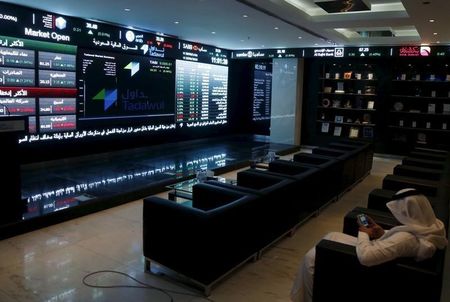
JPM warns Mideast crisis could hurt UAE markets, prefers Saudi stocks
#JPMorgan #Middle East crisis #UAE markets #Saudi stocks #investment #geopolitical risk #market impact
📌 Key Takeaways
- JPMorgan warns that the Middle East crisis could negatively impact UAE markets.
- The firm expresses a preference for Saudi Arabian stocks over UAE markets.
- Geopolitical tensions are influencing investment recommendations in the region.
- Market performance in the UAE may be vulnerable due to ongoing regional instability.
🏷️ Themes
Geopolitics, Investment
📚 Related People & Topics

JPMorgan Chase
American multinational banking institution
JPMorgan Chase & Co. (stylized as JPMorganChase) is an American multinational banking institution headquartered in New York City and incorporated in Delaware. It is the largest bank in the United States, and the world's largest bank by market capitalization as of 2025.

Middle Eastern crisis (2023–present)
Period of escalations in the Middle East
The Middle Eastern crisis is an ongoing series of interrelated wars, conflicts, and heightened instability in the Middle East as a result of the Gaza war and genocide. It has primarily consisted of conflicts between Israel and Iran-backed militias that form the "Axis of Resistance", including Hamas ...
Entity Intersection Graph
Connections for JPMorgan Chase:
View full profileMentioned Entities
Deep Analysis
Why It Matters
This analysis matters because it provides critical guidance for international investors managing billions in Middle Eastern markets, particularly as geopolitical tensions escalate. It directly affects portfolio managers, sovereign wealth funds, and institutional investors who must reallocate capital based on regional risk assessments. The warning could trigger capital outflows from UAE markets and redirect investment toward perceived safer Saudi alternatives, potentially impacting economic growth and market valuations in both countries.
Context & Background
- The UAE and Saudi Arabia have been competing for foreign investment as part of their respective economic diversification plans away from oil dependence.
- Geopolitical tensions in the Middle East have historically caused market volatility, with the 2014-2015 oil price crash and various regional conflicts serving as precedents.
- JPMorgan Chase is one of the world's largest investment banks, and its market recommendations carry significant weight in global financial circles.
- Saudi Arabia's Vision 2030 and UAE's economic diversification strategies have both relied heavily on attracting foreign capital through stock market openings and reforms.
What Happens Next
Investors will likely monitor UAE market performance closely in coming weeks, watching for signs of capital flight or reduced foreign participation. Saudi markets may see increased foreign inflows if the geopolitical situation deteriorates further. Both countries' financial regulators might implement measures to stabilize markets or enhance investor confidence through policy announcements or interventions.
Frequently Asked Questions
The UAE, particularly Dubai, has greater exposure to international trade, tourism, and foreign investment flows that can be disrupted by regional instability. Saudi Arabia's larger domestic economy and more conservative foreign policy positioning may provide relative insulation from certain geopolitical shocks.
While not specified in the brief article, current regional tensions include the Israel-Hamas conflict, Houthi attacks on shipping in the Red Sea, and broader Iran-related geopolitical uncertainties. These could disrupt trade routes and regional stability affecting UAE's position as a trading hub.
While major banks like JPMorgan have sophisticated research capabilities, their recommendations should be considered alongside other analyses as they may reflect institutional positions or conflicts of interest. Market-moving reports from major banks often become self-fulfilling prophecies due to their influence.
Investors concerned about Middle East exposure might diversify into other emerging markets, increase allocations to defensive sectors within the region, or hedge their positions using derivatives. Some might temporarily increase cash positions until geopolitical clarity improves.