
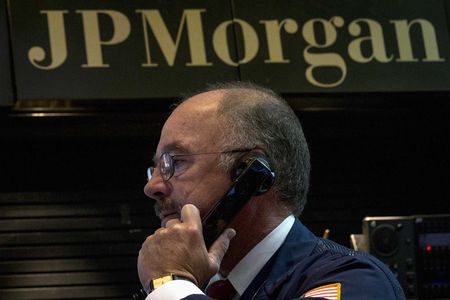
JPMorgan marks down loan portfolios of private credit groups- FT
#JPMorgan #private credit #loan portfolios #markdown #valuation #credit risk #financial markets
📌 Key Takeaways
- JPMorgan has reduced the valuation of loan portfolios held by private credit groups.
- The markdowns reflect concerns over credit quality and market conditions.
- This action may signal increased scrutiny on private credit lending practices.
- The adjustments could impact the financial performance of affected private credit firms.
🏷️ Themes
Finance, Risk Management
📚 Related People & Topics

JPMorgan Chase
American multinational banking institution
JPMorgan Chase & Co. (stylized as JPMorganChase) is an American multinational banking institution headquartered in New York City and incorporated in Delaware. It is the largest bank in the United States, and the world's largest bank by market capitalization as of 2025.
Entity Intersection Graph
Connections for JPMorgan Chase:
View full profileMentioned Entities
Deep Analysis
Why It Matters
This news matters because it signals potential stress in the private credit market, which has grown rapidly to become a $1.7 trillion industry. JPMorgan's markdowns affect institutional investors, pension funds, and insurance companies that have significant exposure to private credit through these groups. The valuation adjustments could trigger wider concerns about asset quality and lead to reduced investor appetite for private debt, potentially tightening credit availability for mid-sized companies that rely on this financing.
Context & Background
- Private credit has grown from a niche market to over $1.7 trillion in assets as banks retreated from leveraged lending after the 2008 financial crisis
- JPMorgan is one of the largest global banks with significant exposure to alternative assets through its asset management division
- Private credit typically involves direct lending to mid-sized companies at higher interest rates than traditional bank loans
- Valuation markdowns in private credit portfolios are significant because these assets are less liquid and harder to value than public securities
- The Federal Reserve's interest rate hikes since 2022 have increased borrowing costs and pressure on leveraged companies
What Happens Next
Other major financial institutions will likely review their private credit valuations in coming weeks, potentially leading to further markdowns across the industry. Regulatory scrutiny may increase as the SEC examines valuation practices in private markets. Private credit fundraising could slow in Q3-Q4 2024 as investors become more cautious about the asset class. Some distressed private credit funds may face redemption pressures if markdowns continue.
Frequently Asked Questions
Private credit involves non-bank lenders providing loans directly to companies, bypassing traditional banking channels. It's important because it has become a major source of financing for mid-sized businesses, especially as banks have reduced riskier lending since the 2008 financial crisis.
JPMorgan likely marked down these portfolios due to deteriorating credit quality of underlying borrowers, increased default risks from higher interest rates, or revised valuation models reflecting more conservative assumptions about future repayments.
Regular investors may be affected indirectly through pension funds and retirement accounts that invest in private credit. Market volatility could increase as institutional investors adjust their portfolios, potentially affecting broader financial markets.
While concerning, isolated markdowns don't necessarily signal a systemic crisis. However, they do indicate stress in specific market segments that regulators and investors will monitor closely for contagion risks.
Mid-sized companies with leveraged balance sheets are most affected, particularly those in cyclical industries or with variable-rate debt. These businesses may face higher borrowing costs or reduced credit availability if private lenders pull back.