
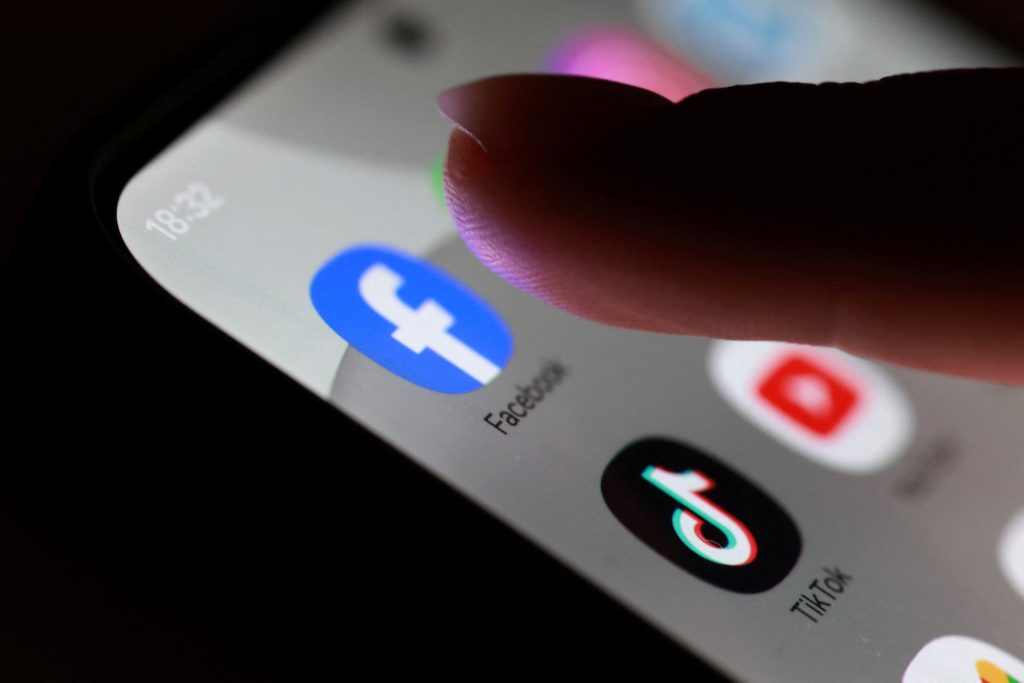
Jury finds Meta and YouTube liable in landmark youth addiction case
📖 Full Retelling
📚 Related People & Topics

YouTube
Video-sharing platform
YouTube is an American online video sharing platform owned by Google. YouTube was founded on February 14, 2005, by Chad Hurley, Jawed Karim, and Steve Chen, who were former employees of PayPal. Headquartered in San Bruno, California, it is the second-most-visited website in the world, after Google ...
Entity Intersection Graph
Connections for Meta:
View full profileMentioned Entities
Deep Analysis
Why It Matters
This landmark verdict establishes legal precedent holding social media platforms directly accountable for youth mental health harms, potentially opening floodgates for thousands of similar lawsuits. It affects millions of parents, educators, and policymakers concerned about social media's impact on adolescent development. The ruling could force major platform redesigns and fundamentally alter how tech companies approach youth engagement and content algorithms.
Context & Background
- Social media platforms have faced growing scrutiny over their impact on youth mental health since the 2010s
- Multiple congressional hearings since 2021 have examined social media's effects on children and teens
- The U.S. Surgeon General issued an advisory in 2023 warning about social media's potential harm to youth mental health
- Several states have passed laws restricting social media access for minors in recent years
- Previous lawsuits against social media companies have typically settled out of court or been dismissed
What Happens Next
Both companies will likely appeal the verdict, potentially taking the case to higher courts over the next 1-2 years. Expect increased legislative activity at state and federal levels proposing new regulations for social media platforms. Other tech companies will review their youth safety protocols and potentially implement preemptive changes to avoid similar litigation.
Frequently Asked Questions
The jury found both platforms liable for contributing to youth addiction through their algorithmic designs and engagement features. The exact financial damages will be determined in subsequent proceedings, but the verdict establishes their responsibility for harm caused.
All major platforms including TikTok, Snapchat, and X will likely face increased legal scrutiny and may proactively implement stricter youth protections. The precedent could lead to similar lawsuits against other companies in the industry.
Immediate changes may be limited pending appeals, but both companies will likely implement new safety features and parental controls. Long-term changes could include redesigned algorithms and usage limits for younger users.
This verdict strengthens arguments for comprehensive federal legislation regulating social media design and youth protections. It provides legal momentum for proposed laws like the Kids Online Safety Act currently under consideration.
Educational institutions may implement stricter social media policies and increased digital literacy programs. Parents may gain stronger legal standing to monitor and restrict their children's social media usage.