
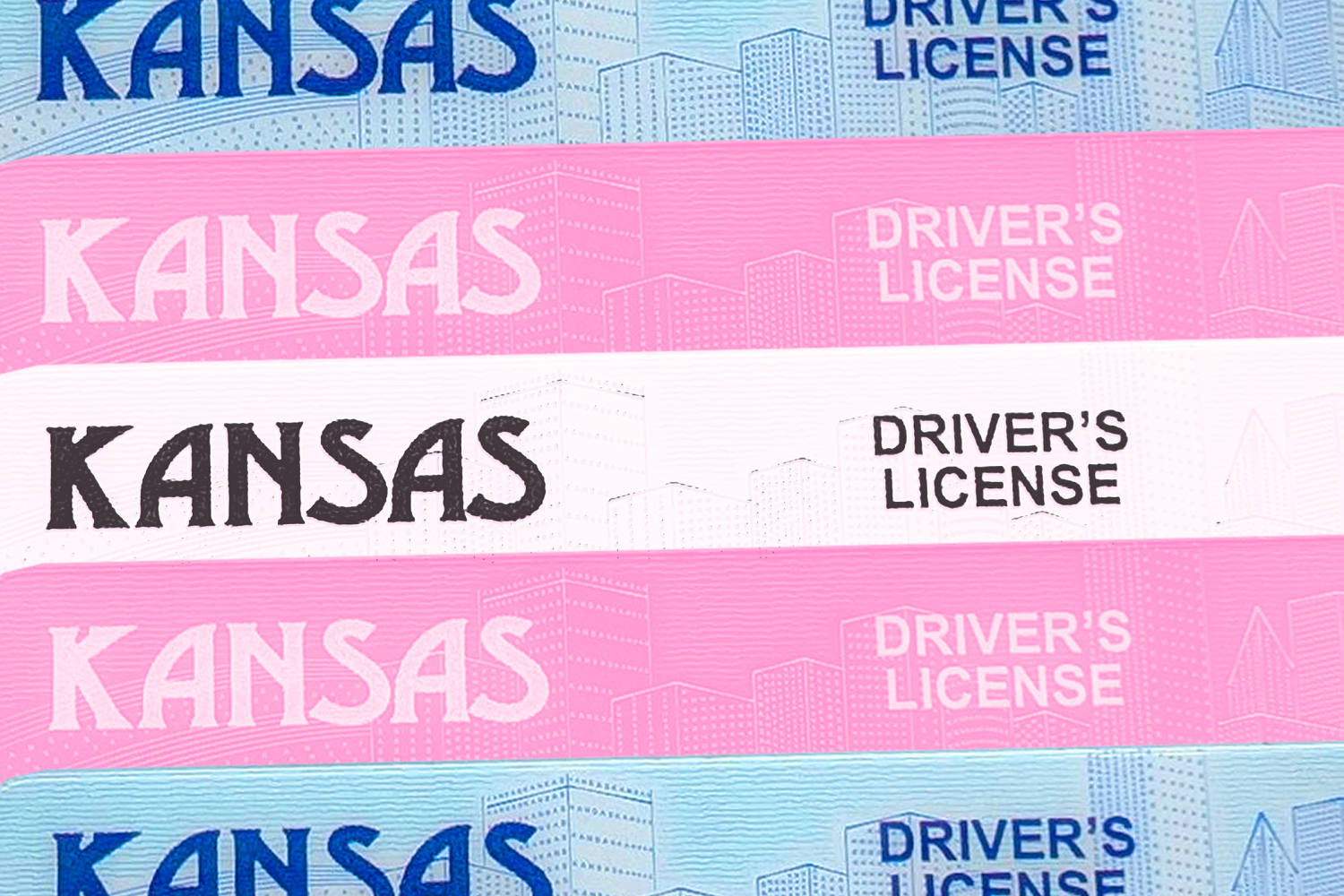
Kansas law revoking right to drive threatens our right to exist, trans residents say
#Kansas #transgender #driver's license #gender marker #discrimination #legal challenge #identity documents
📌 Key Takeaways
- Kansas passed a law allowing driver's license gender marker changes only with proof of 'anatomical change'
- Transgender residents argue this law effectively revokes their right to drive and threatens their existence
- The law creates barriers for trans people to update IDs, impacting daily life and safety
- Advocates say it discriminates by imposing requirements not applied to cisgender individuals
- Legal challenges are expected as the law conflicts with federal identity recognition policies
📖 Full Retelling
🏷️ Themes
Transgender Rights, Identity Documentation
📚 Related People & Topics

Kansas
U.S. state
Kansas ( KAN-zəss) is a landlocked state in the Midwestern region of the United States. It borders Nebraska to the north; Missouri to the east; Oklahoma to the south; and Colorado to the west. Kansas is named after the Kansas River, in turn named after the Kansa people.
Entity Intersection Graph
Connections for Kansas:
Mentioned Entities
Deep Analysis
Why It Matters
This news matters because it represents a significant escalation in legal restrictions targeting transgender individuals, moving beyond healthcare and education to affect basic daily functions like transportation. It directly impacts transgender Kansas residents who may lose their driver's licenses if their gender markers don't align with their sex assigned at birth, threatening their ability to work, access healthcare, and participate in society. The legislation raises constitutional questions about equal protection and could set a precedent for similar laws in other conservative states, potentially affecting millions of transgender Americans nationwide.
Context & Background
- Kansas passed SB 180 in 2023, defining sex as 'biological sex at birth' for all state laws and regulations
- Multiple states have introduced legislation restricting transgender rights in areas including healthcare, sports participation, and bathroom access
- The federal REAL ID Act allows states to determine their own policies for gender markers on identification documents
- Driver's licenses serve as primary identification for voting, banking, travel, and many other essential activities in the United States
What Happens Next
Legal challenges are expected to be filed against the law, potentially reaching federal courts where constitutional questions will be examined. Advocacy groups will likely organize protests and lobbying efforts to pressure lawmakers for amendments or repeal. The Kansas Department of Revenue will need to develop implementation procedures for enforcing the gender marker requirements, which could take effect within months unless blocked by courts.
Frequently Asked Questions
The law requires that driver's licenses and other state IDs reflect a person's sex assigned at birth rather than their gender identity. This means transgender individuals cannot update their gender markers to match their identity, potentially invalidating existing licenses with corrected markers.
Without valid identification matching their appearance, transgender residents face difficulties with routine activities like banking, air travel, applying for jobs, and interacting with law enforcement. This creates barriers to employment, healthcare access, and basic social participation.
Yes, other states could introduce comparable legislation, particularly those with conservative legislatures that have already passed restrictions on transgender rights. However, federal courts may eventually determine whether such laws violate constitutional protections.
Challenges will likely argue the law violates the Equal Protection Clause of the 14th Amendment and constitutes sex discrimination under Supreme Court precedents. Plaintiffs may also argue it violates privacy rights and creates undue burdens on fundamental rights like interstate travel.